Watch Una bomba a punto de estallar (1977) Online Free
Panama’s strategic geographic position has long been its greatest economic asset, with the Canal serving as the cornerstone of its development. Yet for decades, control of this vital waterway remained in the hands of a foreign power. Through interviews with residents of Panama City, Una bomba a punto de estallar (1977) captures the hopes, doubts and political sentiments surrounding the negotiation of the new treaties between Panama and the United States, offering a vivid portrait of a nation debating its sovereignty and future.
More Like This
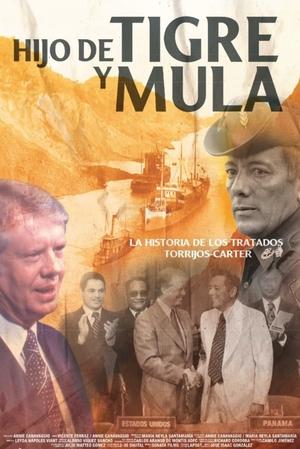
The Panama Canal Treaties: Son of Tiger and Mule
In the year 2000 the United States returned the Panama Canal . To achieve this, the Torrijos-Carter Treaties were signed in 1977. There was a complex game of international diplomacy and intrigues . This is the story of the negotiations.
2025
CIRILO, A Legacy Untold
Born into poverty in Panama, Cirilo McSween’s journey is one of defiance, resilience, and triumph over systemic barriers. Against the backdrop of Jim Crow America, he confronts racism while pursuing the American Dream. From his arrival in the U.S. as an ambitious immigrant to his rise as a trailblazing entrepreneur and civil rights activist, McSween’s life stands as a testament to determination and community. Through tireless advocacy for equality and opportunity, he helped shape both Panama’s identity and Chicago’s civil rights movement. A confidant of Dr. Martin Luther King Jr., a pioneering insurance executive, and a philanthropist empowering underserved communities, McSween’s story bridges nations and generations. CIRILO, A Legacy Untold illuminates a transformative figure whose legacy continues to inspire across the Americas.
2025
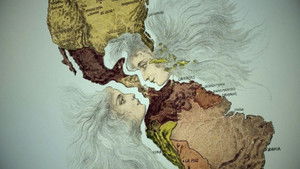
Paname: The Ghost of the Great Frenchman
Ferdinand de Lesseps, known as “The Great Frenchman”, will embark in the greatest adventure of his life: To unite the Pacific and Atlantic oceans through a Canal in the Isthmus of Panama – without knowing that this will cost him his reputation, thousands of innocent lives and the biggest financial scandal of all time, up to that point: the famous “Scandal of Panama”. Today, the French capital is known as “Paname”.
2018
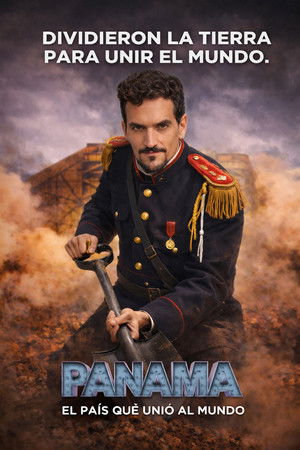
Panamá: the country that united the world
This is the story of the human struggle behind the greatest work of engineering in recent centuries. A story about perseverance and teamwork, but also about ambition, corruption and death. The construction of the Panama Canal is one of the most tragic encounters between man and the unrelenting forces of nature. It was an undertaking that took almost 30,000 lives and that actually changed the course of human history. Through the lives of the protagonists of these dramatic events and from their own points of view we will get to know completely unique and mostly unknown facts and perspectives about the construction of the Panama Canal.
2014
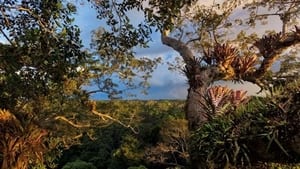
Secret Life of the Rainforest
Join scientists, as they visit Barro Colorado Island in the centre of the Panama Canal, travelling deep into nature’s most stunning habitats.
2012
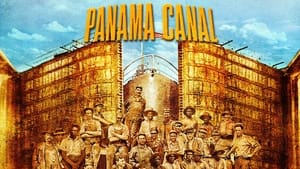
Panama Canal
On August 15th, 1914, the Panama Canal opened, connecting the world's two largest oceans and signaling America's emergence as a global superpower.
2011
Para recordar a Lord Cobra
Documentary about calypso signer Lord Cobra.
2000
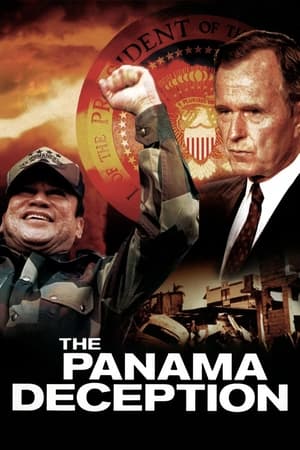
The Panama Deception
This winner of the 1993 Academy Award for Best Documentary Feature details the case that the 1989 invasion of Panama by the US was motivated not by the need to protect American soldiers, restore democracy or even capture Noriega. It was to force Panama to submit the will of the United States after Noriega had exhausted his usefulness.
1992
Driven: A Short Film about Panamanian Passion
Colorful portrait of a subculture on the verge of disappearing: the hot, uncomfortable school buses that for decades served as Panama’s primary form of public transportation, seen through the eyes of one of their drivers. The British filmmakers themselves gave the film its Spanish title, La fama.
1991
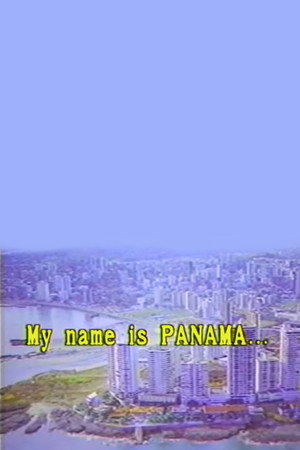
My Name is Panama
An ironic portrayal of the days of the U.S. blockade of Panama, set during the dictatorship of Manuel Antonio Noriega, just months before the country was invaded by U.S. troops.
1988
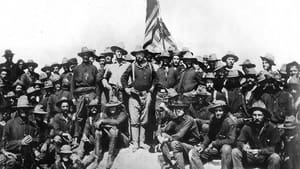
The Indomitable Teddy Roosevelt
Theodore Roosevelt was America's 26th president and a larger-than-life legend whose incredible story must be seen to be believed. Narrated by George C. Scott, this documentary weaves extremely rare archival footage with meticulous recreations alongside the music of John Philip Sousa in a dynamic panorama of the great events of Teddy Roosevelt in the early years of the 20th century.
1983
¡Aquí hay coraje!
The Nicaraguan revolutionaries, determined to overthrow the bloody dictatorship of Anastasio Somoza, enjoyed the semi-clandestine support of the Panamanian government and popular organizations from 1974 onward. Following the Sandinista Front's victory, which toppled a dynasty that had ruled for over 45 years, General Omar Torrijos visited that sister nation to strengthen ties between the two peoples.
1982
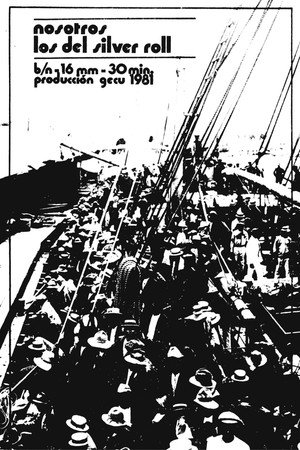
Nosotros los del Silver Roll
Afro-Antillean workers hired for the construction of the Panama Canal are brought from their homes to work in conditions that were not those promised. They, the descendants of African slaves and domesticated from England, manage to raise their voices against American injustices.
1981
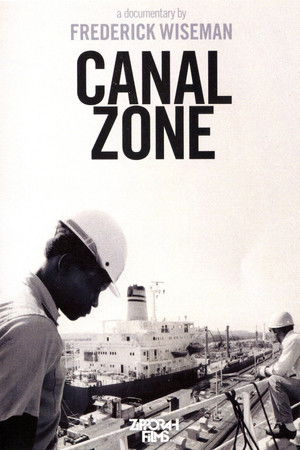
Canal Zone
CANAL ZONE is about the people who live and work in the Panama Canal Zone and shows both the operation of the Canal and the various governmental agencies — business, military, and civilian — related to the functioning of the Canal and the lives of the Americans in the zone. The film includes sequences of ships in transit, the work of special canal pilots, aspects of the civil government, work of the military, and the social, religious and recreational life of the Zonians.
1977
La canción de nosotros
A musical group of young people from Viejo Veranillo perform protest songs in favor of the sovereignty of Panama. Set in 1976, a year before the signing of the Torrijos-Carter Treaties, the members of the group led by “Chirri”, vocalist and ukulele player, tell of their experiences in the neighborhood and their disagreements with the US military on the border that divided its community with the old Canal Zone.
1976

Panamá
Documentary on the Panamanian struggle for the rescue of the lands of the so-called Canal Zone, militarily occupied by the forces of the American army.
1976
Mi pueblo habla, mi pueblo grita
Documentary about the strike of March 1976 in the Panama Canal, promoted by the United States.
1976
Soberanía
For the first time, a painting contest is organized whose theme is the fight for Panamanian sovereignty over the Panama Canal. A primordial experience in the country, its executors, popular artists born in the bowels of the countryside and the city, provide an enriching testimony of their lived experiences in the face of colonialism.
1975
Los 505
As part of the process of political and social transformations undertaken by the military government, a new political model based on the election of corregimiento representatives (505 in total) popularly chosen and that will replace the former Assembly of Deputies controlled by political parties by political parties traditional The majority of the members of this new political experiment are peasants, indigenous, workers and community leaders.
1973
Un año después
One year after the creation of the National Assembly of Community Representatives (1972), a new power structure established by the government, significant changes had taken place throughout the country. This documentary records the most important of these transformations, as well as the working methods of the Assembly. It follows the consultation tours organized by the Legislative Council, during which basic forms of grassroots organization are discussed at the community level. The film also draws a parallel between life in the countryside and in the city.
1973