Watch Mayami nuestro (1981) Online Free
Mayami Nuestro goes beyond the slogan "tá barato, dame dos" (“it’s cheap, give me two”) to force a rethinking of Venezuela’s relationship with oil and national identity. Produced at the height of the oil boom, this 34-minute documentary examines Venezuelan lifestyles in the 1970s and early 1980s, questioning the consumerist fantasies fueled by petro-wealth. Through interviews with merchants, bankers, U.S. academics, and the testimonies of Venezuelans themselves, the film maps the era’s version of the “American Dream” as lived—and projected—abroad. Winner of national and international awards and directed by Carlos Oteyza, Mayami nuestro offers a sharp, historically grounded critique and an open invitation for new generations to reflect on the legacy of oil and its cultural consequences.
Cast
Luis Romero, Jacinto Cabrera, Enrique Benshimol
More Like This
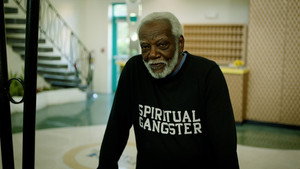
An Instrumental Start: A Model for the Nation
Located in the heart of Miami’s Liberty City, the African Heritage Cultural Arts Center, under the visionary leadership of Marshall Davis Sr., has spent over 50 years shaping young lives through a rigorous and transformative arts education. Its students have gone on to perform on Broadway, win Academy Awards, and appear in films and productions around the world—while others have carried that same discipline and purpose into careers as lawyers, police officers, and community leaders. This film is a powerful testament to the impact of arts education in underserved communities, featuring contributions from Phylicia Rashad, Savion Glover, and Tarell Alvin McCraney, alongside alumni, current students and educators from the Center, and dedicated members of the broader community.
2026
SHADE
Malik, a quiet but gifted South Florida videographer whose poetic work goes unnoticed in a scene that values clout over craft. While others chase trends, Malik stays true to his artistry, capturing raw, emotional imagery that reflect both his vision and isolation.
2026
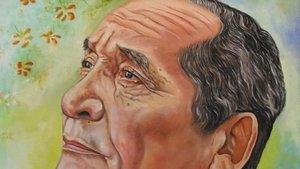
La Memoria es un Caracol
Documentary about the life of Luis Mariano Rivera.
2025
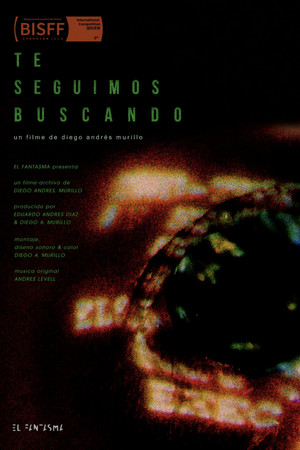
We Keep on Looking for You
A machine-voice makes a "sad film of his homeland" for a dying patient to ease its passing: footage from Kennedy's visit to Venezuela in 61' creeps through montage errors, and a seemingly endless poem comes alive one last time.
2025
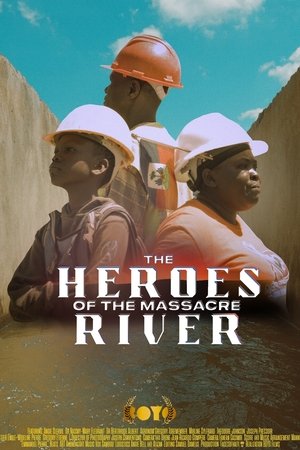
The Heroes of the Massacre River
The Heroes of the Massacre River is a powerful documentary that chronicles the stories of the pioneers behind the construction of the historic Canal of Ouanaminthe, a project that united Haitians across the nation and the diaspora. This film celebrates the groundbreaking efforts of key figures, centering on Dr. Bertrhude Albert, Dr. Naismy-Mary Fleurant, architect Wideline Pierre, economist Etzer Emile as well as dedicated canal workers Milourie Sylfrard, Theodore Johnson and Joseph Pressoir — all guided by the investigative journey of Max Angie Clervil. It also serves as a commentary on the complexity of colonialism and borders, tracing the role that the Massacre River continues to play in the history of Ayiti.
2025
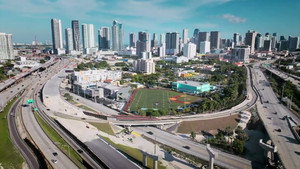
Crossing Overtown
"Crossing Overtown" examines the integral role Miami would play in the national civil rights movement and the long narrative of racial conflict that still resonates in the national conversation. Overtown is the oldest Black community in Miami and it would bear witness to the full arc of the civil rights movement.
2023
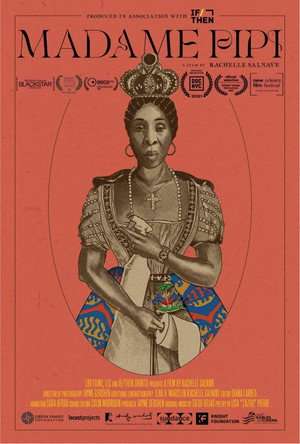
Madame Pipi
Madame Pipi follows the personal journeys of female Haitian bathroom attendants in Miami’s hottest nightclubs and their support to Haiti through their tips.
2021

Luciana Mamá
2017
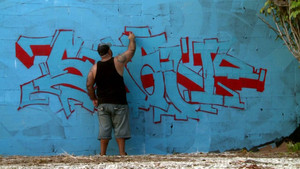
Streets of Wynwood
Every year during the Art Basel fair, street artists from around the globe converge on Miami’s Wynwood district to transform its streets anew with a riot of creative colors. Streets of Wynwood transports the viewer into this nomadic subculture to meet some of world’s best exponents of urban art and to appreciate first-hand how this once clandestine tribe of taggers, graffiti writers and muralists have claimed their place in the broader art world. It’s a dazzling experience.
2016
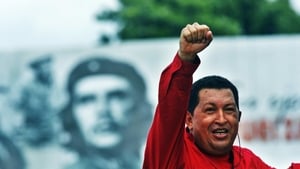
Hugo Chávez: Itinéraire d'un révolutionnaire
2016
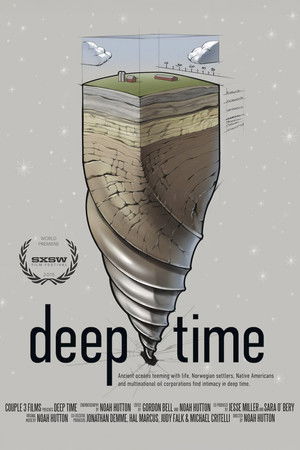
Deep Time
Director Noah Hutton returns to the same landowners, state officials, and oil workers he captured at the beginning of the Bakken oil boom six years ago in his 2009 debut documentary feature Crude Independence. A new focus on the relationship of the indigenous peoples of North Dakota to their surging fossil wealth casts the ongoing boom in the context of paleo-cycles, climate change, and the dark ecology of the future.
2015
Rising Tide: A Story of Miami Artists
Rising Tide is a documentary project that follows seven young artists during the peak of Miami's art season. The film explores city's art culture and examines the impact Art Basel Miami Beach has had on Miami's development as an art city. Rising Tide provides context for Miami's underground art and highlights some of the characteristics that make Miami such an unusual and creative metropolis.
2012
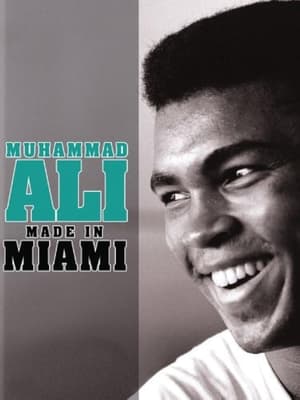
Muhammad Ali: Made in Miami
Documentary chronicles the many ways in which the city of Miami helped transform little-known Olympic boxing into world-renowned, three-time heavyweight champion Muhammad Ali. Archival footage and interviews explore how the Fifth Street Gym along with the city's civil rights movement and vibrant African American community helped shape both the career and personal values of one of boxing's most outspoken figures.
2008
The Revolution Will Not Be Televised
Hugo Chavez was a colourful, unpredictable folk hero who was beloved by his nation’s working class. He was elected president of Venezuela in 1998, and proved to be a tough, quixotic opponent to the power structure that wanted to depose him. When he was forcibly removed from office on 11 April 2002, two independent filmmakers were inside the presidential palace.
2003

El rey del bandolín
Cruz Quinal, "the mandolin king," lives near Cumana in a mountain valley surrounded by sugarcane fields. Perpetuating 16th century Spanish traditions of guitar-making, Cruz fashions such musical instruments as cuatros, marimba, escarpandola, and his own creation, a mandolin with two fretboards. He is an accomplished musician as well. In this moving portrait, Cruz compares himself to a decaying colonial church across the street: revered yet neglected, the village altar stands, paint peeling, under the open sky.
1985
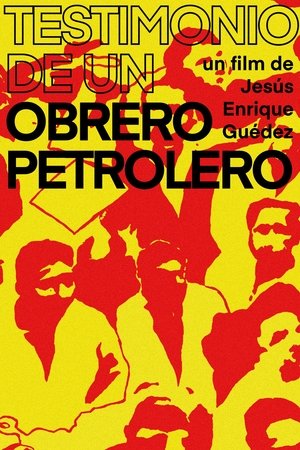
Testimonio de un obrero petrolero
Through the testimony of Manuel Taborda, a pioneer of labor organizing in Venezuela’s oil fields, this documentary revisits the experiences of oil workers between 1920 and 1936. Their memories reveal a world marked by corporal punishment, exploitation, racial segregation, and disease, alongside the emergence of collective resistance against the American and British oil companies that controlled the industry and the government that enabled them.
1978
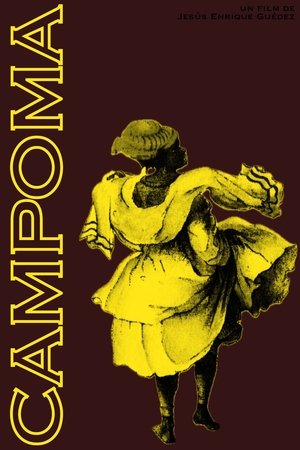
Campoma
Short that tells the history of Campoma, a small Venezuelan town founded by black slaves.
1976
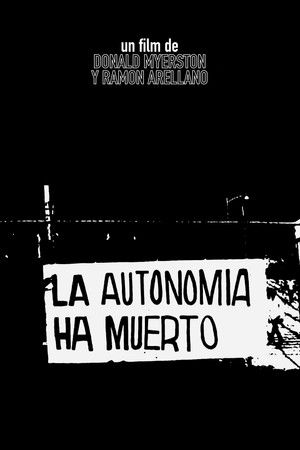
La autonomía ha muerto
In 1969, the Renovación Universitaria movement and the subsequent raid on the Central University of Venezuela by the government of Rafael Caldera, triggered a strong wave of protest in the Institutes of Higher Education in Venezuela. This documentary collects part of the events that took place in the city of Mérida, Mérida State, where the University of the Andes is located.
1969
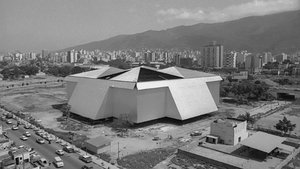
Imagen de Caracas
Imagen de Caracas was an experimental film spectacle, directed by Jacobo Borges and Mario Robles in 1968 for the 400 anniversary of the foundation of Caracas. It needed more than 48768 meters of film and 5000 actors.
1967
Baton
A soccer player, relentlessly pursues his dream of playing professionally, threatens his relationship with his sister after he is kicked off the team and exiled back to Miami. As they battle over their mother’s legacy, he will stop at nothing to get another chance at soccer glory, even if it means losing the only family he has left.