Watch Rising Tide: A Story of Miami Artists (2012) Online Free
Rising Tide is a documentary project that follows seven young artists during the peak of Miami's art season. The film explores city's art culture and examines the impact Art Basel Miami Beach has had on Miami's development as an art city. Rising Tide provides context for Miami's underground art and highlights some of the characteristics that make Miami such an unusual and creative metropolis.
More Like This
Colada
2026
An Instrumental Start: A Model for the Nation
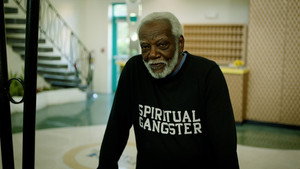
Located in the heart of Miami’s Liberty City, the African Heritage Cultural Arts Center, under the visionary leadership of Marshall Davis Sr., has spent over 50 years shaping young lives through a rigorous and transformative arts education. Its students have gone on to perform on Broadway, win Academy Awards, and appear in films and productions around the world—while others have carried that same discipline and purpose into careers as lawyers, police officers, and community leaders. This film is a powerful testament to the impact of arts education in underserved communities, featuring contributions from Phylicia Rashad, Savion Glover, and Tarell Alvin McCraney, alongside alumni, current students and educators from the Center, and dedicated members of the broader community.
2026
SHADE
Malik, a quiet but gifted South Florida videographer whose poetic work goes unnoticed in a scene that values clout over craft. While others chase trends, Malik stays true to his artistry, capturing raw, emotional imagery that reflect both his vision and isolation.
2026
Kung Fu Konundrum
When his mentor is murdered and the President vanishes, a reluctant hero cop and his unpredictable partner must race across a chaotic Miami to retrieve a crucial briefcase that holds the city's fate.
2025
The Heroes of the Massacre River
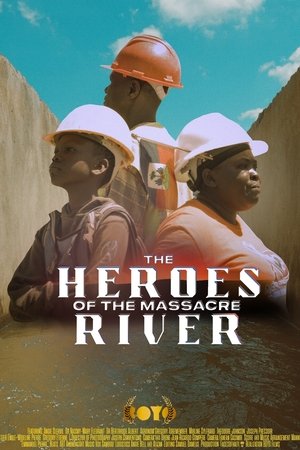
The Heroes of the Massacre River is a powerful documentary that chronicles the stories of the pioneers behind the construction of the historic Canal of Ouanaminthe, a project that united Haitians across the nation and the diaspora. This film celebrates the groundbreaking efforts of key figures, centering on Dr. Bertrhude Albert, Dr. Naismy-Mary Fleurant, architect Wideline Pierre, economist Etzer Emile as well as dedicated canal workers Milourie Sylfrard, Theodore Johnson and Joseph Pressoir — all guided by the investigative journey of Max Angie Clervil. It also serves as a commentary on the complexity of colonialism and borders, tracing the role that the Massacre River continues to play in the history of Ayiti.
2025
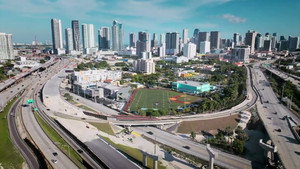
Crossing Overtown
"Crossing Overtown" examines the integral role Miami would play in the national civil rights movement and the long narrative of racial conflict that still resonates in the national conversation. Overtown is the oldest Black community in Miami and it would bear witness to the full arc of the civil rights movement.
2023
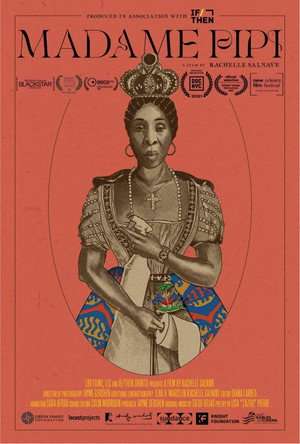
Madame Pipi
Madame Pipi follows the personal journeys of female Haitian bathroom attendants in Miami’s hottest nightclubs and their support to Haiti through their tips.
2021
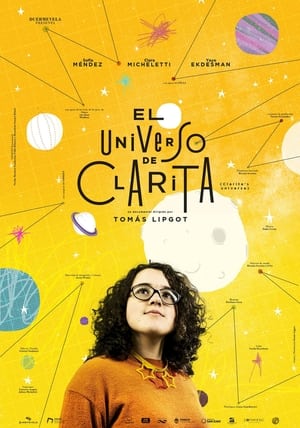
El universo de Clarita
Clarita is 13 years old and lives in Rosario with her parents and sisters. She has an unusual curiosity and a defining passion: astronomy.
2021
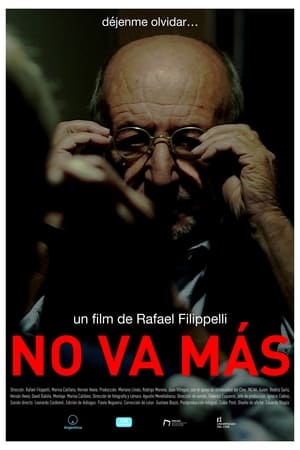
No va más
Isolated in his apartment, old and forgotten by almost everyone —whom, in turn, he has also forgotten— Rafael occupies the hours of his daily life with various rituals and repetitions.
2021

Mari
Mari is a maid—she is a woman like any other, but she’s also unique. This film discovers, with amazing precisions, the layers of her uniqueness and her attempts to emancipate herself, build herself and, perhaps, leave a traumatic past behind.
2021
Jackie Kennedy, militante de la première heure
2018

Luciana Mamá
2017
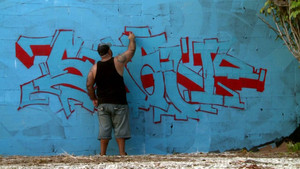
Streets of Wynwood
Every year during the Art Basel fair, street artists from around the globe converge on Miami’s Wynwood district to transform its streets anew with a riot of creative colors. Streets of Wynwood transports the viewer into this nomadic subculture to meet some of world’s best exponents of urban art and to appreciate first-hand how this once clandestine tribe of taggers, graffiti writers and muralists have claimed their place in the broader art world. It’s a dazzling experience.
2016
The Fifties in Luxembourg
The nostalgic retrospective of the time from a very candid perspective, over five chapters.
2013
Muhammad Ali: Made in Miami
Documentary chronicles the many ways in which the city of Miami helped transform little-known Olympic boxing into world-renowned, three-time heavyweight champion Muhammad Ali. Archival footage and interviews explore how the Fifth Street Gym along with the city's civil rights movement and vibrant African American community helped shape both the career and personal values of one of boxing's most outspoken figures.
2008
Mayami nuestro
Mayami Nuestro goes beyond the slogan "tá barato, dame dos" (“it’s cheap, give me two”) to force a rethinking of Venezuela’s relationship with oil and national identity. Produced at the height of the oil boom, this 34-minute documentary examines Venezuelan lifestyles in the 1970s and early 1980s, questioning the consumerist fantasies fueled by petro-wealth. Through interviews with merchants, bankers, U.S. academics, and the testimonies of Venezuelans themselves, the film maps the era’s version of the “American Dream” as lived—and projected—abroad. Winner of national and international awards and directed by Carlos Oteyza, Mayami nuestro offers a sharp, historically grounded critique and an open invitation for new generations to reflect on the legacy of oil and its cultural consequences.
1981
Baton
A soccer player, relentlessly pursues his dream of playing professionally, threatens his relationship with his sister after he is kicked off the team and exiled back to Miami. As they battle over their mother’s legacy, he will stop at nothing to get another chance at soccer glory, even if it means losing the only family he has left.
Tink
The movie is based on the story of Gerald Tinker, the American Olympian and NFL player who become embroiled in the Miami drug trafficking scene of the ’70s and ’80s. After winning Olympic gold at the notorious 1972 Munich Games, Black sprinter Tinker was discarded by professional sports and pulled into a covert cocaine pipeline running through Miami International Airport – forcing him to outrun the law, the mob, and his own past to protect the only family he has left.
Hmoty zítřka
1961
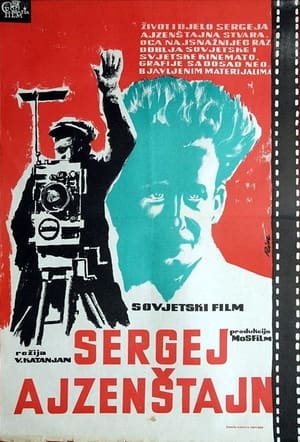
Sergei Eisenstein
Documentary made for the 60th anniversary of Soviet director Sergei Eisenstein.
1958