Watch We Keep on Looking for You (2025) Online Free
A machine-voice makes a "sad film of his homeland" for a dying patient to ease its passing: footage from Kennedy's visit to Venezuela in 61' creeps through montage errors, and a seemingly endless poem comes alive one last time.
More Like This
La Memoria es un Caracol
Documentary about the life of Luis Mariano Rivera.
2025
Brigitte
An insight into the creative process of photographer Brigitte Lacombe, exploring her obsession with taking pictures and how her lens defines her relationship with her subjects and the world.
2019
Song of Armorica
A poetic drama, spoken in the Breton language and set in a Breton fishing community, telling of the impossible love between a waifish fisherman and a highborn lady-of-the-manor.
2016
Hugo Chávez: Itinéraire d'un révolutionnaire
2016
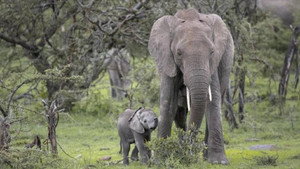
Small Elephant
"Little E" baby elephant born in the Serengeti National Park, Tanzania, must grow up with his family to have every chance of survival.
2015

Planet Food: Lebanon
For centuries, the ports of Lebanon dominated the trade routes between Europe, the Middle East, China and India. In this documentary, our intrepid gastronaut Merrilees Parker finds a world of heavily spiced lamb, cooling salads, deliciously strong wines from and sweet pastries filled with pistachios and honey.
2014
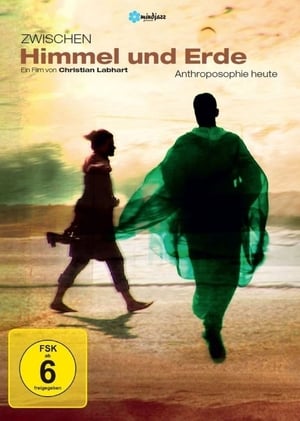
Zwischen Himmel und Erde - Anthroposophie heute
2010
Der entsorgte Vater
In moving interviews, four fathers describe their suffering and efforts to keep contact with their children. A mother justifies the refusal of contact from her point of view. Despite the seriousness of the topic, the film manages to remain entertaining and even delivers an amusing snapshot of German sensitivities and the state of the Republic.
2009
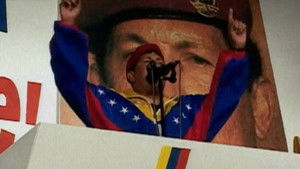
The Revolution Will Not Be Televised
Hugo Chavez was a colourful, unpredictable folk hero who was beloved by his nation’s working class. He was elected president of Venezuela in 1998, and proved to be a tough, quixotic opponent to the power structure that wanted to depose him. When he was forcibly removed from office on 11 April 2002, two independent filmmakers were inside the presidential palace.
2003
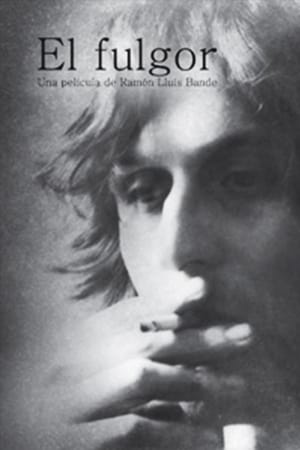
El Fulgor
Documentary directed by Ramón Lluís Bande about the creative process Nacho Vegas makes about El Fulgor, song included in his second album "Cajas de música difíciles de parar" (2003).
2002

Fissures
In making this piece, Bourque literally distorted the personal home movie images appearing on the film plane through various manipulations in the process of doing her own low-tech contact printing. The point of contact in printing is continuously shifted so that the film plane appears warped and the images fluctuate, creating a distorted space of fleeting apparitions, like resurfacing memories.
1999
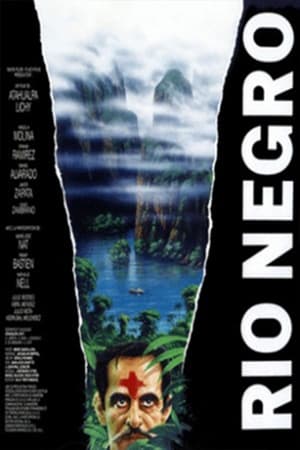
Black River
The struggle of two men, Osuna and Funes, hungry for power and wealth in a small town in Venezuela, during the dictatorship of Juan Vicente Gómez.
1990

El rey del bandolín
Cruz Quinal, "the mandolin king," lives near Cumana in a mountain valley surrounded by sugarcane fields. Perpetuating 16th century Spanish traditions of guitar-making, Cruz fashions such musical instruments as cuatros, marimba, escarpandola, and his own creation, a mandolin with two fretboards. He is an accomplished musician as well. In this moving portrait, Cruz compares himself to a decaying colonial church across the street: revered yet neglected, the village altar stands, paint peeling, under the open sky.
1985
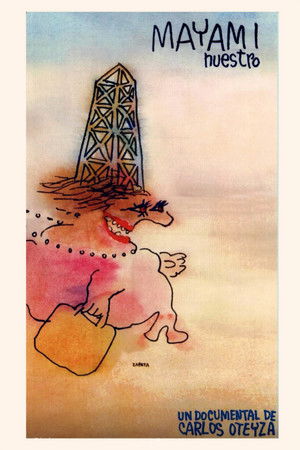
Mayami nuestro
Mayami Nuestro goes beyond the slogan "tá barato, dame dos" (“it’s cheap, give me two”) to force a rethinking of Venezuela’s relationship with oil and national identity. Produced at the height of the oil boom, this 34-minute documentary examines Venezuelan lifestyles in the 1970s and early 1980s, questioning the consumerist fantasies fueled by petro-wealth. Through interviews with merchants, bankers, U.S. academics, and the testimonies of Venezuelans themselves, the film maps the era’s version of the “American Dream” as lived—and projected—abroad. Winner of national and international awards and directed by Carlos Oteyza, Mayami nuestro offers a sharp, historically grounded critique and an open invitation for new generations to reflect on the legacy of oil and its cultural consequences.
1981
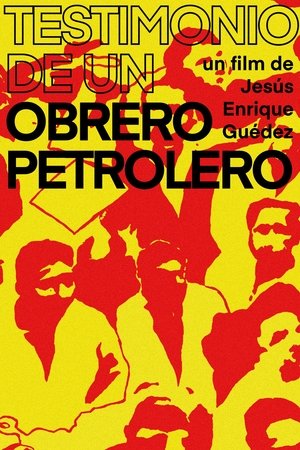
Testimonio de un obrero petrolero
Through the testimony of Manuel Taborda, a pioneer of labor organizing in Venezuela’s oil fields, this documentary revisits the experiences of oil workers between 1920 and 1936. Their memories reveal a world marked by corporal punishment, exploitation, racial segregation, and disease, alongside the emergence of collective resistance against the American and British oil companies that controlled the industry and the government that enabled them.
1978
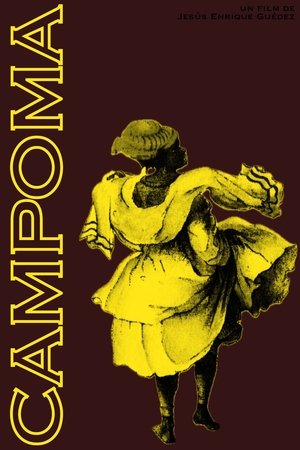
Campoma
Short that tells the history of Campoma, a small Venezuelan town founded by black slaves.
1976
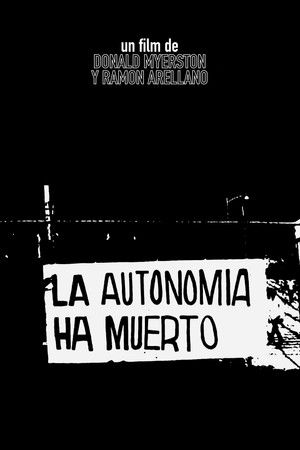
La autonomía ha muerto
In 1969, the Renovación Universitaria movement and the subsequent raid on the Central University of Venezuela by the government of Rafael Caldera, triggered a strong wave of protest in the Institutes of Higher Education in Venezuela. This documentary collects part of the events that took place in the city of Mérida, Mérida State, where the University of the Andes is located.
1969
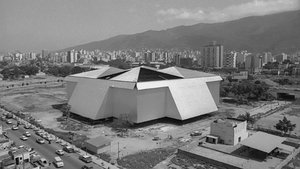
Imagen de Caracas
Imagen de Caracas was an experimental film spectacle, directed by Jacobo Borges and Mario Robles in 1968 for the 400 anniversary of the foundation of Caracas. It needed more than 48768 meters of film and 5000 actors.
1967
Little Square
Intertwined stories of people fighting for love, survival and the truth during quarantine.
Bolívar, Faro de América
Documentary about the life of Simón Bolívar, directed by Antonio Bacé.
1950