Watch Testimonio de un obrero petrolero (1978) Online Free
Through the testimony of Manuel Taborda, a pioneer of labor organizing in Venezuela’s oil fields, this documentary revisits the experiences of oil workers between 1920 and 1936. Their memories reveal a world marked by corporal punishment, exploitation, racial segregation, and disease, alongside the emergence of collective resistance against the American and British oil companies that controlled the industry and the government that enabled them.
Cast
Manuel Taborda
More Like This
La Memoria es un Caracol
Documentary about the life of Luis Mariano Rivera.
2025

Oil Springs
The story will mostly take place in the town Oil Springs, Ontario, where the oil industry in North America was born. By making a case study of this town, we can better understand how the industry operates today. The documentary will explore themes of colonialism, climate change and Canadian identity.
2025

Secrets & Deals
In 1971, Bahrain, Qatar and the UAE ceased to be part of Britain’s empire in the Middle East and became fully independent states. BBC News Persia and BBC Arabic collaborate in this gripping film, to uncover the secrets and shady deals that underpinned the decolonization process. From eye-witness accounts of a British-organised coup to Iran being left in control of disputed islands, it's a fascinating insight to a murky history.
2022

Solidarność: How Solidarity Changed Europe
Gdańsk, Poland, September 1980. Lech Wałęsa and other Lenin shipyard workers found Solidarność (Solidarity), the first independent trade union behind the Iron Curtain. The long and hard battle to bring down communist dictatorship has begun.
2019
Nuuca
In this evocative meditation, a disturbing link is made between the resource extraction industries’ exploitation of the land and violence inflicted on Indigenous women and girls. Or, as one young woman testifies, “Just as the land is being used, these women are being used.”
2018

Hugo Chávez: Itinéraire d'un révolutionnaire
2016

Wiebo's War
Wiebo Ludwig is the leader of a Christian group who brought his family to live in Alberta, Canada, 25 years ago in order live a life according to scripture. They built a small, self-sufficient community in a place that they did not realize was one of the largest undeveloped natural gas fields in North America. Unlike others who lived in the area, Wiebo and his family refused to sell their land and move, and now Wiebo is the prime suspect in a series of pipeline bombings and other acts of sabotage against the local oil industry.
2011

Collapse
From the acclaimed director of American Movie, the documentary follows former Los Angeles police officer turned independent reporter Michael Ruppert. He recounts his career as a radical thinker and spells out his apocalyptic vision of the future, spanning the crises in economics, energy, environment and more.
2009

Earth 2100
Experts say over the next hundred years the "perfect storm" of population growth, resource depletion and climate change could converge with catastrophic results. The scenarios in Earth 2100 are not a prediction of what will happen but rather a warning about what might happen.
2009
H2Oil
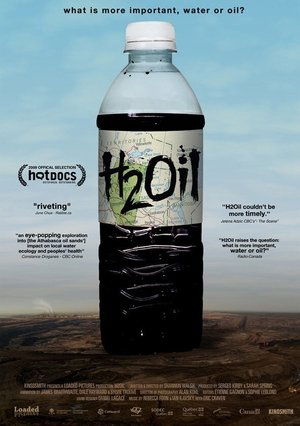
Moving between a local microcosm and the global oil crisis, H2Oil weaves together a collection of compelling stories of people who are at the front lines of the biggest industrial project in human history: Canada's tar sands. H2Oil is a feature-length documentary that traces the wavering balance between the urgent need to protect and preserve fresh water resources and the mad clamoring to fill the global demand for oil. It is a film that asks: what is more important, water or oil? Will the quest for profit overshadow efforts to protect public health and the environment in Canada's richest province?
2009
California Company Town
Lee Anne Schmitt explores California's landscape and past to document the history of one-time boom towns built and abandoned by the industries that necessitated their creation. Sold as a limitless land expansive with free opportunity, California was actually, from its onset, fissured by the interwoven needs of private and public interests. Schmitt's film covers various locations through time, as the major industries of the early 20th century (mining, lumber, oil) give way to the military, eventually leading to multinational corporations, and the use of small towns as satellites for growing urban metropolises.
2008
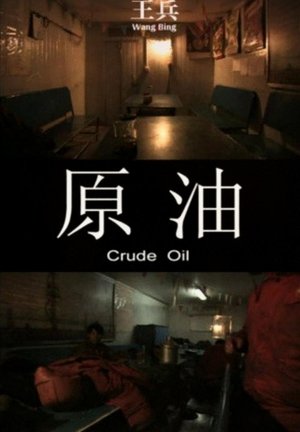
Crude Oil
Filmed in the Inner Mongolian portion of the Gobi Desert, this film follows a group of oil field workers as they go about their daily routine.
2008
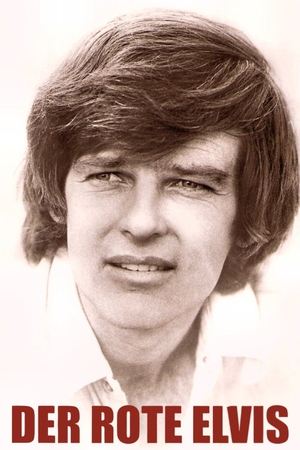
The Red Elvis
A documentary on the late American entertainer Dean Reed, who became a huge star in East Germany after settling there in 1973.
2007
The End of Suburbia: Oil Depletion and the Collapse of the American Dream
Since World War II North Americans have invested much of their newfound wealth in suburbia. It has promised a sense of space, affordability, family life and upward mobility. As the population of suburban sprawl has exploded in the past 50 years Suburbia, and all it promises, has become the American Dream. But as we enter the 21st century, serious questions are beginning to emerge...
2004
The Revolution Will Not Be Televised
Hugo Chavez was a colourful, unpredictable folk hero who was beloved by his nation’s working class. He was elected president of Venezuela in 1998, and proved to be a tough, quixotic opponent to the power structure that wanted to depose him. When he was forcibly removed from office on 11 April 2002, two independent filmmakers were inside the presidential palace.
2003
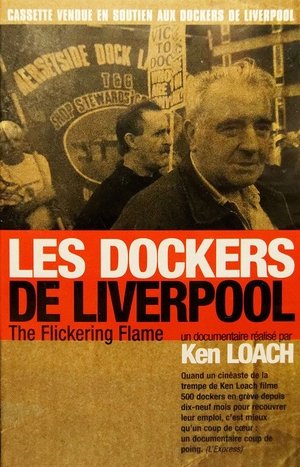
The Flickering Flame
Documentary following dockers of Liverpool sacked in a labour dispute and their supporters’ group, Women of the Waterfront, as they receive support from around the world and seek solidarity at the TUC conference.
1996

El rey del bandolín
Cruz Quinal, "the mandolin king," lives near Cumana in a mountain valley surrounded by sugarcane fields. Perpetuating 16th century Spanish traditions of guitar-making, Cruz fashions such musical instruments as cuatros, marimba, escarpandola, and his own creation, a mandolin with two fretboards. He is an accomplished musician as well. In this moving portrait, Cruz compares himself to a decaying colonial church across the street: revered yet neglected, the village altar stands, paint peeling, under the open sky.
1985
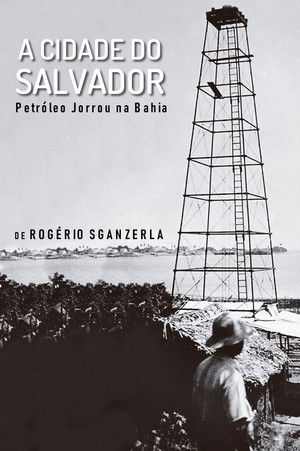
A Cidade do Salvador (Petróleo Jorrou na Bahia)
Documentary about power and class relations in the sociocultural context of Bahia, considering the history of oil extraction in the state.
1981
La autonomía ha muerto
In 1969, the Renovación Universitaria movement and the subsequent raid on the Central University of Venezuela by the government of Rafael Caldera, triggered a strong wave of protest in the Institutes of Higher Education in Venezuela. This documentary collects part of the events that took place in the city of Mérida, Mérida State, where the University of the Andes is located.
1969
Make Mine Service
Training and Customer Service information film sponsored by the Marketing Retail Sales Department of the Standard Oil Company. Features product placement for brands like Atlas and Chevron.
1952