Watch Chornobyl: Funeral Feast (1993) Online Free
The film marks the occasion of the 800-year anniversary of Chornobyl: an epitaph to the nuclear power station tragedy. Lina Kostenko, the Ukrainian poetess, joins former residents on their annual trip to the dead town.
Cast
Lina Kostenko
More Like This
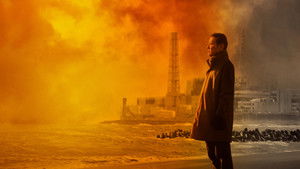
Fukushima: A Nuclear Nightmare
The definitive account of Japan’s struggle as it faced a nuclear catastrophe while still reeling from the devastation of an earthquake and tsunami.
2026

Roland Emmerich - Weltenzerstörer, Weltenerbauer
Roland Emmerich himself and many of his companions provide insights into his life. With films such as Independence Day, 2012, and The Day After Tomorrow, he probably became the most successful director of disaster movies. But there were also failures.
2025

35 dni w Czarnobylu
The film uniquely recounts the lives of workers at Ukraine's Chornobyl nuclear power plant, National Guard soldiers and residents of surrounding towns and villages. These have been at the epicenter of the Russian occupation since February 24, 2022. It's a film that shows how a thin line separates humanity from another nuclear catastrophe and how the fight for survival was on a "ticking bomb." Under the constant threat of shelling and rockets.
2025

Terra incognita
2024

Thank You Dr. Fauci
Award-winning documentarian Jenner Furst seeks answers from Dr. Fauci about the origins of COVID-19, a bio-arms race with China, and what could be the largest coverup in modern history. Awaiting Fauci’s reply, Furst falls down a rabbit hole, decoding hundreds of thousands of pages of documents with prominent scientists, intelligence analysts, former government officials, and whistleblowers. Risking career and reputation, Furst depoliticizes one of the most controversial stories of our time, in an urgent scientific docu-thriller that is Oppenheimer meets Outbreak.
2024
Chernobyl
With the good of the people in mind, Valery Legasov, a Soviet scientist called to the scene of the Chernobyl nuclear disaster, stands up to censorship behind the Iron Curtain.
2024

Chernobyl: The Last Battle of the USSR
Three decades after the nuclear explosion, almost everything has been said about this ecological and sanitary disaster that made Pripiat a part of History. How did the greatest industrial disaster change the course of History, disrupt global geopolitics and, directly or indirectly, redistribute the balances and power relations of the twentieth century? The world will never be the same again. By retracing the incredible battle waged by the Soviet Union against radiation, this film proposes to retrace and enlighten an extraordinary story, while exploring the historical stakes in the medium and long-term…
2021

Inside Chernobyl's Mega Tomb
Documentary which follows the construction of a trailblazing 36,000-tonne steel structure to entomb the ruins of the nuclear power plant destroyed in the 1986 Chernobyl disaster.
2016

Tchernobyl : Le Mensonge français
2016
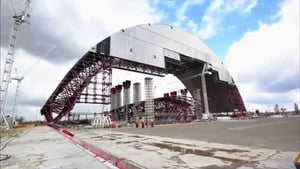
Chernobyl 30 Years On: Nuclear Heritage
Thirty years after the Chernobyl disaster, which occurred on the night of April 26, 1986, its causes and consequences are examined. In addition, a report on efforts to strengthen the structures covering the core of the nuclear plant in order to better protect the population and the environment is offered.
2015
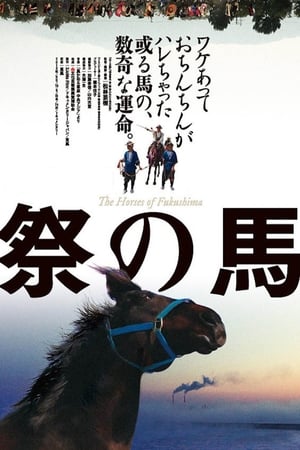
The Horses of Fukushima
Fukushima's Minami-soma has a ten-centuries-long tradition of holding the Soma Nomaoi ("chasing wild horses") festival to celebrate the horse's great contribution to human society. Following the meltdown of the Fukushima Daiichi Nuclear Power Plant in the wake of the March 11, 2011 earthquake and tsunami, local people were forced to flee the area. Rancher Shinichiro Tanaka returned to find his horses dead or starving, and refused to obey the government's orders to kill them. While many racehorses are slaughtered for horsemeat, his horses had been subjected to radiation and were inedible. Yoju Matsubayashi, whose "Fukushima: Memories of the Lost Landscape" is one of the most impressive documentaries made immediately after the disaster, spent the summer of 2011 helping Tanaka take care of his horses. In documenting their rehabilitation, he has produced a profound meditation on these animals who live as testaments to the tragic bargain human society made with nuclear power.
2013
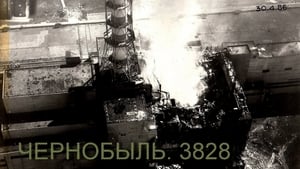
Chernobyl.3828
Military people call such places "FRONTLINE", liquidators who worked at the Chernobyl nuclear station called it "ROOF COATING". It was the most contaminated, and therefore the most dangerous, place in the zone. The remains of the roof coating of the 4th reactor. The operation on decontaminating the roof lasted more than five months. We will tell about only two days. About the most important two days in the life of an explorer - dosimetrist Valeriy Starodumov. He participated in this operation until it was over. He himself came out to the roof and led people there. He himself planted the "victory banner" at the level of 75 meters, as the signal for the zone: the roof coating has been decontaminated! Now, 25 years later, Valeriy Starodumov comes back to the zone. Now Chernobyl is a tourist object. But not for him...
2011
Life After People
In this special documentary that inspired a two-season television series, scientists and other experts speculate about what the Earth, animal life, and plant life might be like if, suddenly, humanity no longer existed, as well as the effect humanity's disappearance might have on the artificial aspects of civilization.
2008
Pripyat: Ghost City Chronicles
The word Chernobyl became known worldwide shortly after the 1986 blast. The small town Pripyat, situated just 3 km from the Chernobyl nuclear power plant, up to this day serves to remind about the extent of the tragedy. Pripyat used to be a lively little town, both a powerful nuclear centre and a conveniently planned city with schools and urban apartments. It is now a dead, lifeless stretch of land littered with scraps of the past.
2008
Chernobyl Reclaimed: An Animal Takeover
What would happen if the world were suddenly without people - if humans vanished off the face of the earth? How would nature react - and how swiftly? On the edge of Europe, the deserted village of Chernobyl reveals the surprising answer after an unplanned experiment. Chernobyl was abandoned by people after the worst nuclear disaster in history (April 26, 1986). A level 7 meltdown resulted in a severe release of radioactivity following a massive explosion that destroyed the reactor. More than 20 years later, Chernobyl has been taken over by a remarkable collection of wildlife and descendents of pets that were left in the city when its residents fled the nuclear fallout. Unexpectedly in the aftermath of this disaster, Chernobyl has become a sanctuary for plants, birds, and animals, including some species thought to be on the brink of extinction.
2007
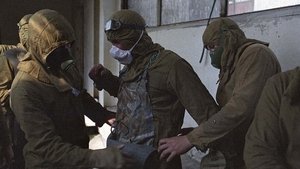
The Battle of Chernobyl
On April 26, 1986, a 1,000 feet high flame rises into the sky of the Ukraine. The fourth reactor of the Chernobyl nuclear power plant just exploded. A battle begins in which 500,000 men are engaged throughout the Soviet Union to "liquidate" the radioactivity, build the "sarcophagus" of the damaged reactor and save the world from a second explosion that would have destroyed half of Europe. Become a reference film, this documentary combines testimonials and unseen footage, tells for the first time the Battle of Chernobyl.
2007
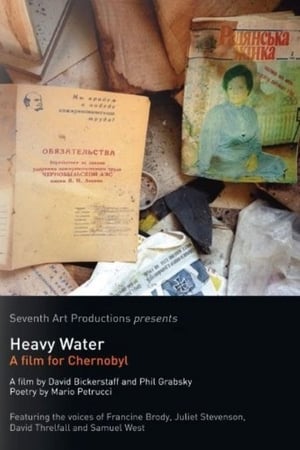
Heavy Water: A Film for Chernobyl
On April 26th, 1986, reactor four at Chernobyl nuclear power station explodes, sending an enormous radioactive cloud over Northern Ukraine and neighbouring Belarus. The danger is kept a secret from the rest of the world and the nearby population who go about their business as usual. May Day celebrations begin, children play and the residents of Pripyat marvel at the spectacular fire raging at the reactor. After three days, an area the size of England becomes contaminated with radioactive dust, creating a 'zone' of poisoned land. Based on Mario Petrucci's award-winning book-length poem (split over two books), 'Heavy Water: a film for Chernobyl', and the shorter version 'Half Life: a Journey to Chernobyl", tells the story of the people who dealt with the disaster at ground-level: the fire-fighters, soldiers, 'liquidators', and their families.
2007

Chernobyl Heart
This Academy Award-winning documentary takes a look at children born after the 1986 Chernobyl nuclear plant disaster who have been born with a deteriorated heart condition.
2003
Turvalisuse illusioon
Its title translating to "Illusion of Safety", this documentary interviews several survivors from M/S Estonia.
1996
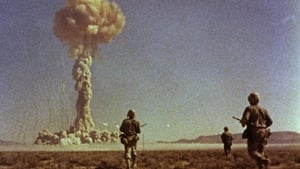
The Atomic Cafe
A disturbing collection of 1940s and 1950s United States government-issued propaganda films designed to reassure Americans that the atomic bomb was not a threat to their safety.
1982