Watch Heavy Water: A Film for Chernobyl (2007) Online Free
On April 26th, 1986, reactor four at Chernobyl nuclear power station explodes, sending an enormous radioactive cloud over Northern Ukraine and neighbouring Belarus. The danger is kept a secret from the rest of the world and the nearby population who go about their business as usual. May Day celebrations begin, children play and the residents of Pripyat marvel at the spectacular fire raging at the reactor. After three days, an area the size of England becomes contaminated with radioactive dust, creating a 'zone' of poisoned land. Based on Mario Petrucci's award-winning book-length poem (split over two books), 'Heavy Water: a film for Chernobyl', and the shorter version 'Half Life: a Journey to Chernobyl", tells the story of the people who dealt with the disaster at ground-level: the fire-fighters, soldiers, 'liquidators', and their families.
More Like This

Terra incognita
2024

The Future of Nuclear Energy
Nuclear energy: a clean energy for the future or a risk for humanity? As the European Union has classed nuclear as a green energy, France is building new power plants whilst Germany is decommissioning them. An in depth look at the future of atomic energy in the coming decades.
2022

Chernobyl: The Last Battle of the USSR
Three decades after the nuclear explosion, almost everything has been said about this ecological and sanitary disaster that made Pripiat a part of History. How did the greatest industrial disaster change the course of History, disrupt global geopolitics and, directly or indirectly, redistribute the balances and power relations of the twentieth century? The world will never be the same again. By retracing the incredible battle waged by the Soviet Union against radiation, this film proposes to retrace and enlighten an extraordinary story, while exploring the historical stakes in the medium and long-term…
2021
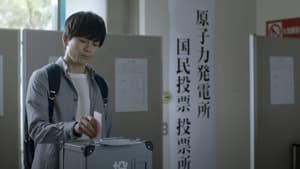
The Choice of Our Nation
The referendum whether nuclear power plants should be banned has been held in Japan. People must decide their future.
2021
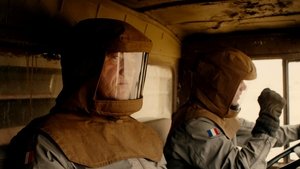
The Atomic Adventure
Algeria desert, 1961. France just detonated an atomic bomb. A patrol of seven soldiers is sent to ground zero to take samples and measure the current radioactivity. The more they advance, the more they perceive that they are entering a dangerous uncharted territory: the future…
2019
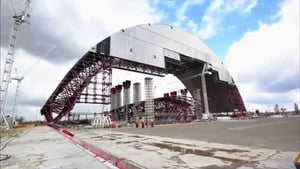
Chernobyl 30 Years On: Nuclear Heritage
Thirty years after the Chernobyl disaster, which occurred on the night of April 26, 1986, its causes and consequences are examined. In addition, a report on efforts to strengthen the structures covering the core of the nuclear plant in order to better protect the population and the environment is offered.
2015
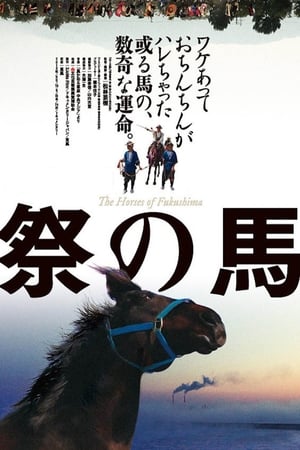
The Horses of Fukushima
Fukushima's Minami-soma has a ten-centuries-long tradition of holding the Soma Nomaoi ("chasing wild horses") festival to celebrate the horse's great contribution to human society. Following the meltdown of the Fukushima Daiichi Nuclear Power Plant in the wake of the March 11, 2011 earthquake and tsunami, local people were forced to flee the area. Rancher Shinichiro Tanaka returned to find his horses dead or starving, and refused to obey the government's orders to kill them. While many racehorses are slaughtered for horsemeat, his horses had been subjected to radiation and were inedible. Yoju Matsubayashi, whose "Fukushima: Memories of the Lost Landscape" is one of the most impressive documentaries made immediately after the disaster, spent the summer of 2011 helping Tanaka take care of his horses. In documenting their rehabilitation, he has produced a profound meditation on these animals who live as testaments to the tragic bargain human society made with nuclear power.
2013
The Sound of Crickets at Night
An elderly nuclear survivor from Bikini Atoll in the Pacific summons a mysterious ancient deity to help reunite his family.
2012
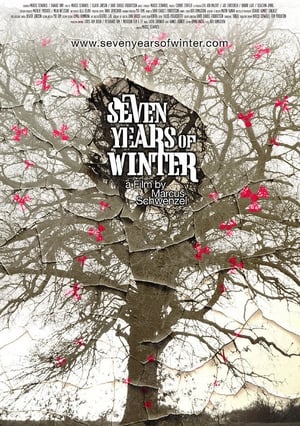
Seven Years of Winter
Seven-year-old Andrej scavenges the nuclear wasteland of Chernobyl for discarded documents to trade on the black market.
2011
Life After People
In this special documentary that inspired a two-season television series, scientists and other experts speculate about what the Earth, animal life, and plant life might be like if, suddenly, humanity no longer existed, as well as the effect humanity's disappearance might have on the artificial aspects of civilization.
2008
The Cloud
DIE WOLKE (The Cloud) is about a breakdown of a nuclear power station in Germany and the story of two teenager-lovers Hannah and Elmar who take refuge. 38.000 people die and Hannah unfortunately becomes contaminated.
2006

Am Tag als Bobby Ewing starb
1986 - The protest movement against the construction of the nuclear power plant in Brokdorf is on its last legs. Only one rural commune remains: the "Alternative Wohnkollektiv Regenbogen". For them, it could go on and on with endless consensus discussions, shearing sheep and naked communal bathing. One day, the lowland communards are joined by two city dwellers, Hanne and her son Niels. While Hanne gets used to scream therapy and raising vegetables surprisingly quickly - and even more quickly to the tantra games with commune guru Peter - Niels has less and less desire for the dogmatic commune rules. Out of defiance, he joins the violent nuclear power plant resistance, thus upsetting the tranquil chaos of the commune. The big bang, however, comes when a reactor explodes in distant Chernobyl. Exactly on the day Bobby Ewing dies, the petroleum prince from "Dallas" and series favorite of the commune.
2005

Chernobyl Heart
This Academy Award-winning documentary takes a look at children born after the 1986 Chernobyl nuclear plant disaster who have been born with a deteriorated heart condition.
2003

Atomic Twister
When tornadoes hit a nuclear power plant, critically damaging the plant's cooling system, the results could be catastrophic. Atomic Twister, a countdown to disaster, traces an extraordinary day in the lives of small town citizens who unexpectedly find themselves facing the possibility of mass destruction.
2002
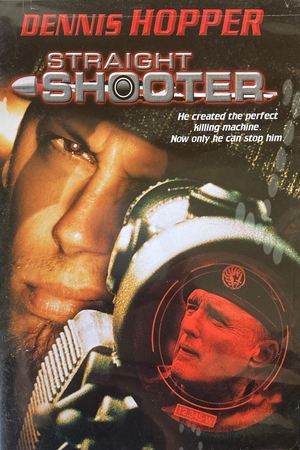
Straight Shooter
After his daughter died of cancer, former French foreign legionnaire "Straight Shooter" alias Volker Bretz threatens those who financed, built, favoured and now work the nuclear power plant Atar II to kill one of them each day until the plant is shut down. His former drill sergeant, Frank Hector, who now owns several night clubs and brothels, is the only one who might be able to stop the maniac killing specialist. Frank is flown in instantly, but soon has to find out that his former comrade's actions might be a result from an event long ago.
1999

Dreams
Eight visually rich vignettes drawn from Kurosawa’s own dreams—fox weddings and vanished orchards, a soldier’s ghosts, a walk through Van Gogh’s canvases, nuclear nightmares, and a water-mill utopia—meditate on childhood, art, mortality, and humanity’s uneasy bond with nature.
1990
Atomová katedrála
The construction of a gigantic facility such as the Dukovany nuclear power plant requires only the most capable experts. Such is the engineer Hlaváč, who has been involved in the project from the very beginning as a construction manager. He has to deal with many problems, especially the lack of manpower. He is unfairly demoted to a lower position due to the intrigues of his subordinates and the alibi of the management, but time proves him right and by the time the plant is inaugurated, he is once again the main manager. But the demanding job takes its toll, his heart cannot withstand the frantic pace of work...
1985

Silkwood
Like most of the people in her town, Karen Silkwood works at the local nuclear plant producing highly radioactive plutonium. Exposed one day to a lethal dose of radiation, Karen faces the blank walls of corporate indifference and denial. As her illness increases, her protest grows louder and she becomes an obvious danger to the powers that be.
1983
The China Syndrome
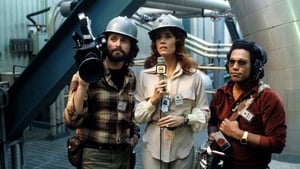
While doing a series of reports on alternative energy sources, opportunistic reporter Kimberly Wells witnesses an accident at a nuclear power plant. Wells is determined to publicize the incident, but soon finds herself entangled in a sinister conspiracy to keep the full impact of the incident a secret.
1979

La Jetée
A man confronts his past during an experiment that attempts to find a solution to the problems of a post-apocalyptic world caused by a world war.
1962