Watch The Atomic Cafe (1982) Online Free
A disturbing collection of 1940s and 1950s United States government-issued propaganda films designed to reassure Americans that the atomic bomb was not a threat to their safety.
Cast
Harry S. Truman, Lyndon B. Johnson, Nikita Khrushchev, Lewis Strauss, Julius Rosenberg, Ethel Rosenberg, Paul Tibbets, Lloyd Bentsen
More Like This

Berlin Tempelhof Airport - Gateway to Freedom
Located in former West Berlin, Tempelhof Airport reflects the dramatic history of the 20th century. Once a Nazi showpiece, it later became a symbol of freedom during the Berlin Airlift and the Cold War. In 1978, East German citizen Constanze Glien unexpectedly arrived here after her flight was hijacked, changing the course of her life.
2024

Electronic Body Movie
A journey into Electronic Body Music’s iconic sound, featuring exclusive interviews with the original pioneers of the 80’s.
2024

The Volcano: Rescue from Whakaari
A close examination of the Whakaari / White Island volcanic eruption of 2019 in which 22 lives were lost, the film viscerally recounts a day when ordinary people were called upon to do extraordinary things, placing this tragic event within the larger context of nature, resilience, and the power of our shared humanity.
2022

Chernobyl: The Last Battle of the USSR
Three decades after the nuclear explosion, almost everything has been said about this ecological and sanitary disaster that made Pripiat a part of History. How did the greatest industrial disaster change the course of History, disrupt global geopolitics and, directly or indirectly, redistribute the balances and power relations of the twentieth century? The world will never be the same again. By retracing the incredible battle waged by the Soviet Union against radiation, this film proposes to retrace and enlighten an extraordinary story, while exploring the historical stakes in the medium and long-term…
2021

Panodrama
Tommy Robinson goes on the offensive by documenting how his own “hit piece” on his character was being constructed by the taxpayer-funded BBC for their popular investigative news special “Panorama.” In the film he manages to capture footage of the blackmailing of his former employees to invent stories, along with an organization—known as “Hope not Hate”—on set with the BBC, intimidating ex-employees of Robinson during interviews. The host of “Panorama” at the time of filming is caught on camera casually using racist and homophobic slurs during a £220 champagne lunch with the same ex-employee they had planned to coach for a fake interview in which the BBC would possibly edit in which to make it appear as, “a gender, a sexual thing against Tommy Robinson,” according to the host. Within 24 hours of releasing the film, social media giant Facebook made a public statement of their own and removed Tommy Robinson’s accounts permanently.
2019
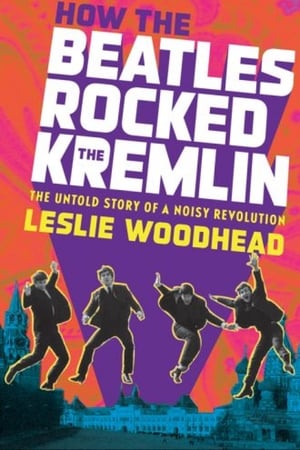
How the Beatles Rocked the Kremlin
In August 1962, director Leslie Woodhead made a two-minute film in Liverpool's Cavern Club with a raw and unrecorded group of rockers called the Beatles. He arranged their first live TV appearances on a local show in Manchester and watched as the Fab Four phenomenon swept the world. Twenty-five years later while making films in Russia, Woodhead became aware of how, even though they were never able to play in the Soviet Union, the Beatles' legend had soaked into the lives of a generation of kids. This film meets the Soviet Beatles generation and hears their stories about how the Fab Four changed their lives, including Putin's deputy premier Sergei Ivanov, who explains how the Beatles helped him learn English and showed him another life. (Storyville)
2009
Secrets, Lies, and Atomic Spies
Chronicling the lives and covert activities of the so-called "atom spies" in the 1940s, including the big one that got away, Theodore Alvin Hall.
2002
Thirteen Days
The story of the Cuban Missile Crisis in 1962—the nuclear standoff with the USSR sparked by the discovery by the Americans of missile bases established on the Soviet-allied island of Cuba.
2000

Pitch People
The art of the "pitch" and its role in society, as told by many of the pitch industry's greatest salesmen, including Arnold Morris, Sandy Mason, Lester Morris, Wally Nash and Ed McMahon as well as a look at the Popeil family.
1999
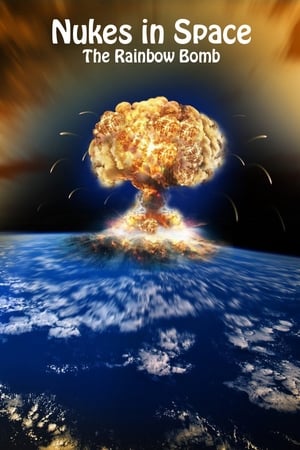
Nukes in Space
U.S. nuclear tests in space, and the development of the military intercontinental ballistic missile (ICBM).
1999
Empire of the Sun
Jamie Graham, a privileged English boy, is living in Shanghai when the Japanese invade and force all foreigners into prison camps. Jamie is captured with an American sailor, who looks out for him while they are in the camp together. Even though he is separated from his parents and in a hostile environment, Jamie maintains his dignity and youthful spirit, providing a beacon of hope for the others held captive with him.
1987
Et Vint La Liberté
A historical epic that chronicles the Guineans’ long struggle against French colonialism and for their country’s independence.
1969
The Day Called X
Portentously portrays the evacuation of Portland, Oregon, when threatened by a nuclear attack on its state-of-the-art civil defense system.
1957

Effects of the Atomic Bomb on Hiroshima and Nagasaki
This was the only documentary made in the aftermath of the atomic bombings of 1945. Japanese filmmakers entered the two cities intent on making an appeal to the International Red Cross, but were promptly arrested by newly arriving American troops. The Americans and Japanese eventually worked together to produce this film, a science film unemotionally displaying the effects of atomic particles, blast and fire on everything from concrete to human flesh. No other filmmakers were allowed into the cities, and when the film was done the Americans crated everything up and shipped it to an unknown location. That footage is now lost. However, an American and a Japanese filmmaker each stole and hid a copy of the film, fearful that the reality of Hiroshima and Nagasaki would be hidden from history. Eventually, these prints surfaced and became our only precious archive of the aftermath of nuclear warfare -- a film that everyone knows in part, yet has rarely seen in its entirety.
1946
Billion Dollar Spy
Set against the high-stakes backdrop of the late Cold War, Adolf Tolkachev, an ordinary man who risks everything to pass thousands of pages of top-secret Soviet intelligence to the U.S. Despite repeated rejections by a wary CIA, Tolkachev persisted, embodying the courage to stand against a regime that betrayed its own people. Finally, finding an ally in CIA agent Tom Lenihan, Tolkachev was able to fundamentally shift the balance of power, proving that true patriotism lies not in blind allegiance but in the willingness to challenge a government when it strays from its ideals.

Manufacturing Consent: Noam Chomsky and the Media
A film about the noted American linguist/political dissident and his warning about corporate media's role in modern propaganda.
1992
The Battle of France
A montage of newscasts tracing the events of the "damned war" and the German invasion of 1940.
1964
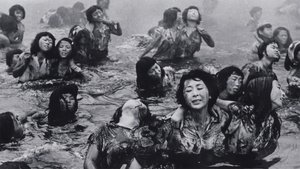
Hiroshima
Historical fiction about the aftermath of the atomic bombing of Hiroshima, Japan, on 6 August 1945, and its effects on various civilians, especially children, of that city.
1953
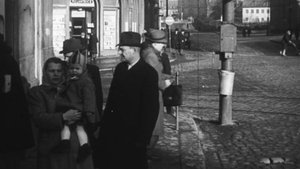
We Settle the Borderlands
Propaganda film aimed at repopulating the Sudety, which fell into ruin after the Second World War and the subsequent expulsion of Germans from Czechoslovakia. The narrator describes the rebuilt infrastructure and is optimistic about the potential offered by the area to families from all over Czechoslovakia and the world.
1946

Victory in the West
A Nazi propaganda film about the lead up to World War II and Germany's success on the Western Front. Utilizes newsreel footage of battles and fell into disfavour with propaganda minister Goebbels because of it's lack of emphasis on Adolf Hitler.
1941