Watch To See El Aaiún (2020) Online Free
In the depths of the Algerian desert the Sahrawi people have been dwelling in the refugee camps for over 40 years. Camps gradually turned into settlements, named after towns in their homeland Western Sahara. One of them is called El Aaiún.
Cast
Khalil Abdelaziz, Bashir Ali, Katja Bidovec, Gaibel Bulahi, Arne Hodalič, Saluca Lehbib, Sukheia Sheikh, Hamdi Toubali, Abdel Wadud
More Like This
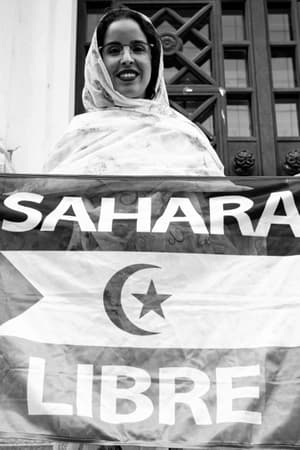
Women of the free Sahara
The Sahara has been and is populated by peoples who have passed through and occupied it since time immemorial. The Sahrawis are one of these peoples. When Spain withdrew from its colony in 1976, Morocco invaded. Thousands have had to leave their lands to seek refuge in camps in the Sahara, in neighboring Algeria, and thousands have had to migrate to Spain and other destinations outside the Sahara. And it is the women who built the camps while the men fought, and it is they who have increasingly gained social, cultural, and political influence in the territory and in the diaspora. This is their history and their reality.
2024
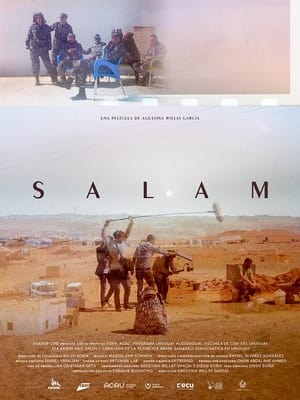
Salam
The Sahrawi people have lived in exile for almost half a century in the driest desert of the African continent. There, where basic resources such as water are scarce, there is a film school. As the world looks the other way, a group of young filmmakers carries out a battle against oblivion.
2024

Sand bellies
The Algerian region of Tindouf is home to more than 170,000 Sahrawis, who have been living in refugee camps since 1976, when Morocco occupied the Western Sahara region. In a place of inhospitable conditions and scarcity, the Sahrawi population lives on dwindling humanitarian aid. Six percent of them face the added difficulty of coeliac disease.
2024
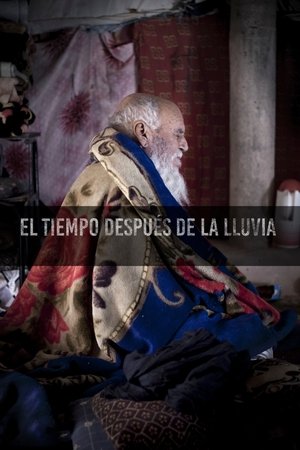
The time after the rain
Young Mohamed Dih, who in Seville, returns to his birthplace – a refugee camp in Western Sahara. Time flows differently here: the times of the day are marked by calls to prayer and the seasons – by the rainfall. When a torrential downpour destroys his family’s home, the protagonist stays in the camp for longer to help to rebuild it.
2023
Un viaje hacia nosotros
Spanish actor Pepe Viyuela embarks on a personal journey on the trail of his grandfather Gervasio, a soldier in the Republican Army during the Spanish Civil War.
2021
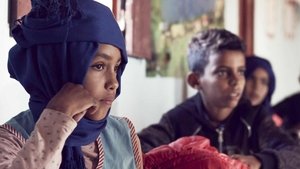
Dajla: cinema and oblivion
The rocky desert in southwestern Algeria is the temporary home of about 150,000 refugees from Western Sahara. Goats grazing or the opening of a beauty salon are among the many scenes of everyday life of people who are eagerly awaiting the beginning of the film festival. The observational documentary captures the unwavering love of film in a place that the world has forgotten.
2020

Soukeina, 4400 days of night
After the military occupation of Western Sahara in 1976, Moroccan government attacked the civil population with hard repression, forcing hundreds of Saharan people to “disappear” in clandestine jails. An invisible and slow death was the only horizon. However, some prisoners were able to survive after suffering their own “extinction” for more tan 10 years, ripped from their families, suffering torture, in total isolation. When they finally were released, their known world had changed radically.
2017
Daniela, the value of perseverance
The strength and will of a girl with physical difficulties in Sahrawi society.
2017
Barber shop
In Smara refugee camp, barber Mohammed treats customers of different generations.
2017
Oasis
OASIS, a documentary that tells us about water's historical role in Western Sahara via the true stories of people who turned this wild desert into a place full of life.
2017
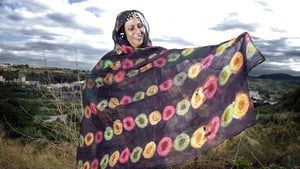
Life is waiting: referendum and resistance in Western Sahara
Forty years after its people were promised freedom by departing Spanish rulers, Western Sahara remains Africa's last colony. This film chronicles the everyday violence experienced by Sahrawis living under Moroccan occupation and voices the aspirations of a desert people for whom the era of colonialist never ended.
2015
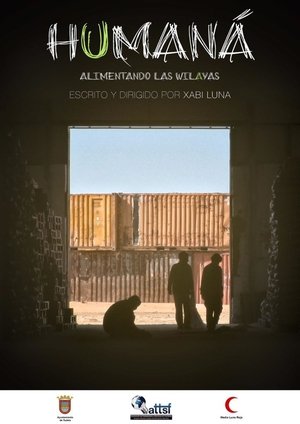
Humaná, feeding wilayas
Humaná tells two stories, the daily life of a Sahrawi refugee and food they receive to live and hard process of distributing hundreds of tons of food daily. From the voice of Najla and Jesus primarily, we´ll see the difficulties and as the project AECID and Attsf proposed in 2005, was a turning point for all food arrived on time for every Sahrawi.
2015
Sumud
In 1976 Spain abandoned its last colony, the Western Sahara, in the hands of Morocco. Since then, the Saharawi people have been divided between those who stayed on their land and those who fled the Moroccan persecution. Those who escaped survive in the desert, in extreme conditions and in the face of the helplessness of the international community. This film, directed by the journalist Helena Villar, was recorded on the occasion of the 40th anniversary of the Sahrawi resistance and is dedicated to the struggle of the tens of thousands of inhabitants of the Western Sahara
2015
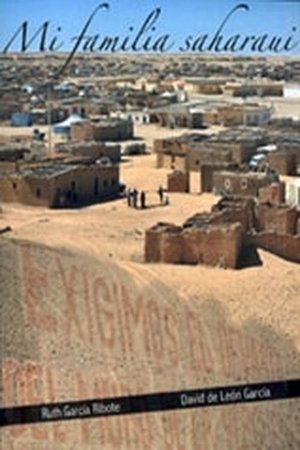
My Sahrawi family
My Sahrawi family' is a report - documentary that reflects the bonds of unity between Sahrawi families and Spanish families who every summer welcome minors from refugee camps into their homes.
2014
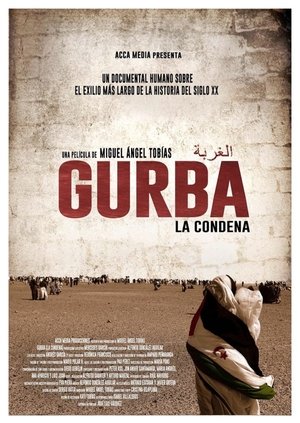
Gurba, the condemned
Siya, Dumaha, Mata and Aziz are Saharawi refugees that live in camps in Tindouf (Algeria). They show us the daily extreme harshness of an exile that lasts for 40 years. We can discover the unknown reality of torture, mines and maimed people, child malnutrition or mental illnesses that plague the Saharawi people, who are condemned to live away from their homeland.
2014
Cast in sand: Najla and Agaila
Two women of different generations struggle for survival, happiness, and freedom in barren desert refugee camps. Here, the displaced people of Western Sahara have rebuilt life after fleeing from Morocco's brutal occupation from their homeland, and continue to cry out for justice. Najla and Agaila's different relationships to their cause reflect their personal narratives, revealed and explored with an intimate approach.
2013
Sea of sand
This documentary explains the problems of Western Sahara while occupied by Morocco, the territories liberated by the Polisario Front, and the refugee camps in Tindouf (Algeria). 40 years of human rights violations, cultural, human and economic despoliation (fishing, phosphates,...), but also of resistance, fighting back, dignity, solidarity; and most of all, the women’s defining role in the establishment of a forcefully exiled population in one of the most inhospitable places on the planet.
2013
Sons of the Clouds: The Last Colony
The political upheaval in North Africa is responsibility of the Western powers —especially of the United States and France— due to the exercise of a foreign policy based on practical and economic interests instead of ethical and theoretical principles, essential for their international politic strategies, which have generated a great instability that causes chaos and violence, as occurs in Western Sahara, the last African colony according to the UN, a region on the brink of war.
2012
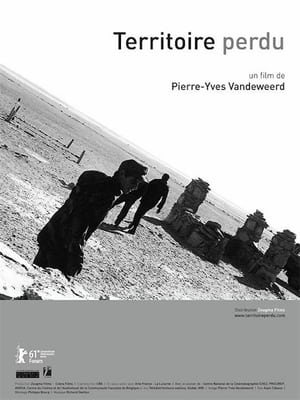
Lost land
Straddling a 2,400-kilometer-long wall constructed by the Moroccan army, the Western Sahara is today divided into two sections — one occupied by Morocco, the other under the control of the Sahrawi National Liberation Movement’s Polisario Front. Drawing from stories of flight, exile, interminable waiting and the arrested, persecuted lives on both sides of that wall, this film bears witness to the Sahrawi people, their land, their entrapment in other people’s dreams. In an esthetic that sublimates the real, Lost Land resonates like a score that juxtaposes sonorous landscapes, black-and-white portraits and nomadic poetics.
2011
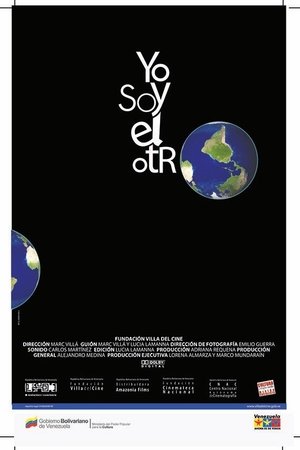
I am the other
It happens in Ecuador and South Korea, in Italy, in Venezuela and also in Western Sahara. Three men and two women live every day acting against the global corporate order. Their actions are the voices of others, of individuals, of crowds, of many. Those who seek another world.
2008