Watch Tekuanes - Guardianes del Agua (2024) Online Free
No overview available.
Cast
Amalia Lemus, Alex García, Lupita García, Jennifer Pacheco, Carlos Cáceres, Ruth Pacheco, Johny Rodriguez
More Like This
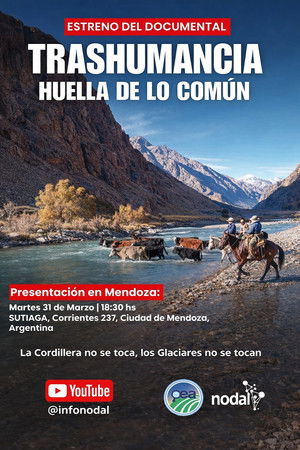
TRASHUMANCIA. HUELLA DE LO COMÚN
2026

Sin Voz
Told almost entirely without spoken words, this film unfolds in the language of its subjects: Guatemalan Sign Language. In a country where more than 850,000 Deaf people receive little institutional support, silence becomes both a barrier and a form of connection. Through classrooms, homes, and everyday life, the film observes a community building its own means of understanding and belonging. Among those leading the way are Melkin, Dairy, and Jonathan, the teachers, students, and leaders within Guatemalan Deaf Ministries, where the language of hands has become the language of hope.
2025
Comparsa
From the shadows of a Guatemalan neighbourhood scared into silence, two sisters lead a luminous rebellion—unleashing joy, art, and radical truth in a fight for survival.
2025
It Was Hot That Day: A Jandiman Story
Enduring 28 days of relentless construction labor, Frank struggles to prep a house for painting amidst Phoenix's scorching pandemic summer.
2024
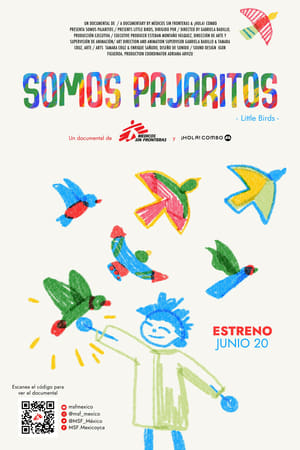
Little Birds
Through dances and games, migrant boys and girls who live in a shelter in Reynosa, on the US-Mexico border, shared their dreams and stories of hope with us.
2023
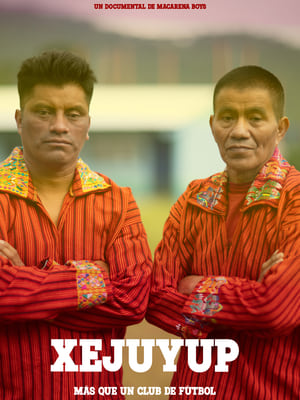
Xejuyup más que un club de fútbol
The Perechú family is afraid that the ancestral costume of their ancestors will disappear, but they see soccer as an opportunity to keep their culture and legacy alive.
2022
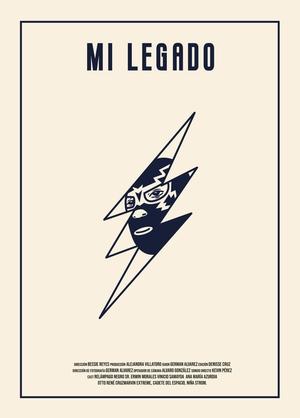
A Wrestling Legacy
Relámpago Negro is a professional wrestler who lived in his own flesh the golden age of wrestling in Guatemala. 40 years later everything has changed, except his passion for the sport. Relámpago Negro tells us how his passion leads him to keep wrestling alive after so long, building a legacy for professional wrestling until this day.
2020

Guatemala: Heart of the Mayan World
From Sierra de las Minas to Esquipulas, explore Guatemala's cultural and geological wealth, including ancient Mayan cities and other natural wonders.
2019

Bananaland: Blood, Bullets & Poison
For consumers, bananas are a delicious and nutritious start to the day, a healthy snack and a fixture in our fruit bowls. For millions of residents in the banana lands, the production of bananas means social upheaval, violence and pesticide poisoning. Banana Land explores the origins of these disparate realities, and opens the conversation on how workers, producers and consumers can address this disconnect.
2016

The Good Christian
In 1979 José Efraín Ríos Montt became a reborn Christian. He was offering a sermon when a group of soldiers burst into his Christian school, and asked him to lead a military coup in 1982. Francisco Chavez Raymundo and his sister were small children when Rios' political actions annihilated their community. In March, 2013 the lives of Francisco Chavez and Rios Montt converge in the same space. Rios is called upon to testify before Guatemalan justice and is confronted by a group of Mayan Ixiles, orphans and widows of the war, Francisco is one of them.
2016
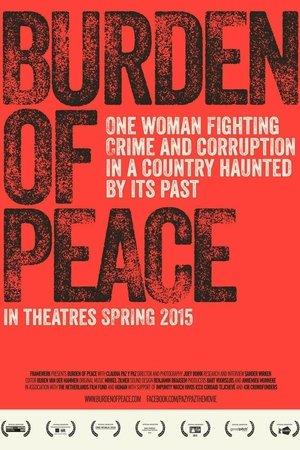
Burden of Peace
Claudia Paz y Paz is the head of the Guatemalan Public Prosecutor’s Office. We follow her during her four-year mandate as the Attorney General of one of the world’s most dangerous countries. This documentary closely observes her attempts to break the downward spiral of a society where drug cartels, corruption and violence have become part of daily life. She manages to improve the country’s safety and justice issues but is met with much resistance. Her commitment to the rule of law is her strength as well as her destiny. At what price do four years of service as the Attorney General of Guatemala’s murder paradise come?
2015
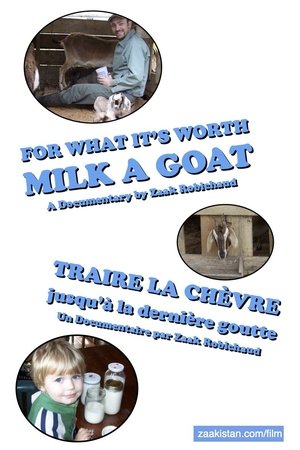
For What it's Worth, Milk a Goat
In a world drifting further away from participatory food production, relying instead on large corporations to feed us, this film asks “What do we lose by giving up our responsibility to produce food?”
2012
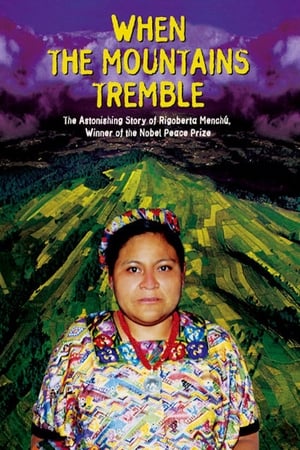
When the Mountains Tremble
A documentary on the war between the Guatemalan military and the Mayan population, with first hand accounts by Nobel Peace Prize winner Rigoberta Menchú.
1983
The Echo of Pain of the Many
A Guatemalan woman, Ana Lucía Cuevas, returns home from exile to face the brutal history of Guatemala's armed conflict. In 1984, her brother Carlos was kidnapped by the state as one of thousands who were abducted and disappeared. Recounting the stories of brutal genocide, terror, state repression and violence, this film documents the memories of those victimised by the Guatemalan state.

Maximón: Devil or Saint
MAXIMÓN - Devil or Saint is a documentary about the controversial Maya deity, also known as San Simon or the drinking and smoking saint of Guatemala. He is a mixture of ancient Maya beliefs and Christianity. The movie concentrates on the people who surround Maximón with their strong personalities, opinions and faith. The documentary gives us a rare view into the rituals and fiestas honoring Maximón. The cult of Maximón is flourishing because he performs miracles. He is also feared and despised because he is used to cast curses that can result in death. Ultimately, Maximón transcends the duality of good and evil, reflecting the Maya cosmovision in which everything in the universe co-exists.
2014
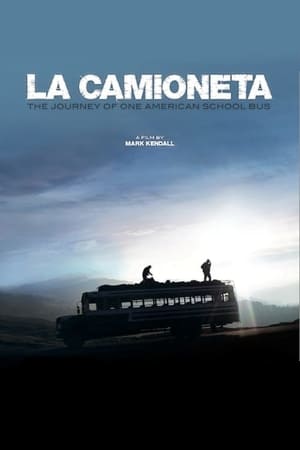
La Camioneta: The Journey of One American School Bus
Every day dozens of decommissioned school buses leave the United States on a southward migration that carries them to Guatemala, where they are repaired, repainted, and resurrected as the brightly-colored camionetas that bring the vast majority of Guatemalans to work each day. Since 2006, nearly 1,000 camioneta drivers and fare-collectors have been murdered for either refusing or being unable to pay the extortion money demanded by local Guatemalan gangs. LA CAMIONETA follows one such bus on its transformative journey: a journey between North and South, between life and death, and through an unfolding collection of moments, people, and places that serve to quietly remind us of the interconnected worlds in which we live.
2013
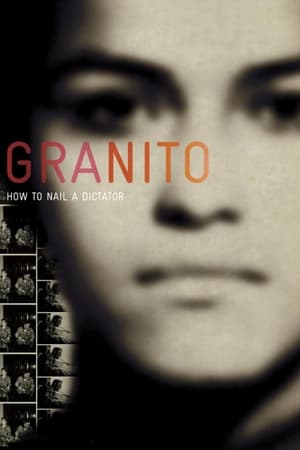
Granito: How to Nail a Dictator
A story of destinies joined by Guatemala's past, and how a documentary film intertwined with a nation's turbulent history emerges as an active player in the present.
2011
Discovering Dominga: A Survivor's Story
Denese Joy Becker, a manicurist living in Iowa, discovers she is indeed Dominga Sic Ruiz, a survivor from a 1982 Guatemalan massacre, when more than 200 people were killed in the small village of Rio Negro, after opposing the construction of a dam, sponsored by World Bank. She then tries to unveil the truth.
2003
Rigoberta Menchú: Broken Silence
Focuses on 1992 Nobel Peace Prize winner, Rigoberta Menchu, as she discusses the lack of human rights for the indigenous people of Guatemala and her commitment to the struggle for a more egalitarian society.
1992
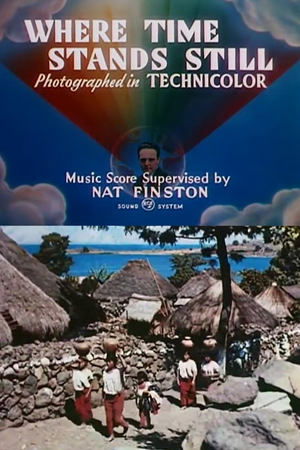
Where Time Stands Still
In this Traveltalk series short, we visit a region in Guatemala where the native Indian tribes live like their ancestors, without using most of the benefits of modern man. They not only grow their own vegetables and catch animals to eat, they also cultivate the plants they need to weave fabrics and make natural dyes from various berries and seeds.
1945