Watch Rigoberta Menchú: Broken Silence (1992) Online Free
Focuses on 1992 Nobel Peace Prize winner, Rigoberta Menchu, as she discusses the lack of human rights for the indigenous people of Guatemala and her commitment to the struggle for a more egalitarian society.
Cast
Rigoberta Menchú
More Like This
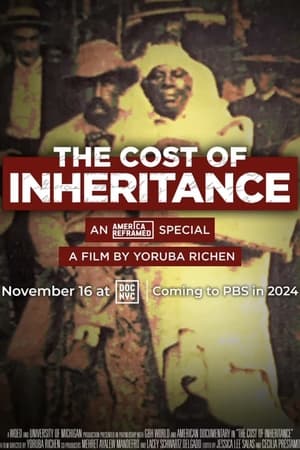
The Cost of Inheritance
The decades-long debate surrounding reparations is fraught, mired in racial tension and the semantics of restorative justice. While the national conversation remains stalled due to legislative inaction, communities across the country examine their histories and take it upon themselves to arrange their own form of reparations. This detailed investigation of restitution presents accounts of everyday people confronting the past and exploring the possibilities of wealth transfer.
2023
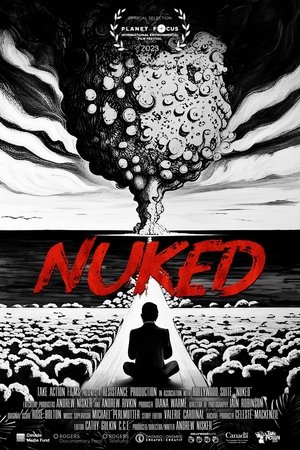
NUKED
The US detonated 67 nuclear weapons over the Bikini Atoll in the Marshall Islands during the Cold War, the consequences of which still reverberate down four generations to today. "NUKED," is a timely new feature documentary focussing on the human victims of the nuclear arms race, tracing the displaced Bikinian's ongoing struggle for justice and survival even as climate change poses a new existential threat. Using carefully restored archival footage to resurrect contemporaneous islanders’ voices and juxtaposing these with the full, awesome fury of the nuclear detonations, NUKED starkly contrasts the official record with the lived experience of the Bikinians themselves, serving as an important counterpoint to this summer’s Oppenheimer.
2023
The Son
Using unpublished photos taken by Italian war photographer Enrico Sarsini, and the reconstruction of key events, this film examines the battle for a strategically-located church that was defended by Azerbaijani teenager Natig Gasimov. After his surrender and interrogation by Armenian forces, he was never heard of again. This film finds out what happened to Natig and who may be responsible. Filmed over a period of three years, filmmaker Karan Singh spoke to witnesses in Armenia, Azerbaijan, Italy and Russia in his search for the truth.
2021
Inhabitants
For millennia, Native Americans successfully stewarded and shaped their landscapes, but centuries of colonization have disrupted their ability to maintain their traditional land management practices. From deserts, coastlines, forests, mountains, and prairies, Native communities across the US are restoring their ancient relationships with the land. As the climate crisis escalates these time-tested practices of North America's original inhabitants are becoming increasingly essential in a rapidly changing world.
2021
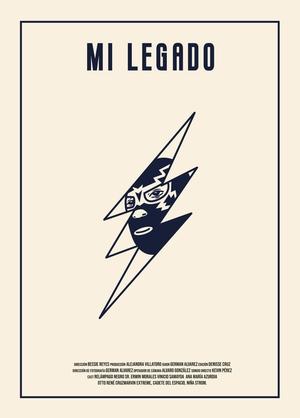
A Wrestling Legacy
Relámpago Negro is a professional wrestler who lived in his own flesh the golden age of wrestling in Guatemala. 40 years later everything has changed, except his passion for the sport. Relámpago Negro tells us how his passion leads him to keep wrestling alive after so long, building a legacy for professional wrestling until this day.
2020
maɬni—towards the ocean, towards the shore
An experimental look at the origin of the death myth of the Chinookan people in the Pacific Northwest, following two people as they navigate their own relationships to the spirit world and a place in between life and death.
2020
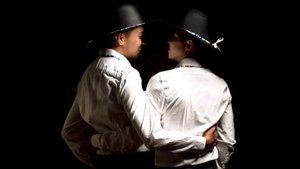
Sweetheart Dancers
Sean and Adrian, a Two-Spirit couple, are determined to rewrite the rules of Native American culture through their participation in the “Sweetheart Dance.” This celebratory contest is held at powwows across the country, primarily for heterosexual couples … until now.
2019
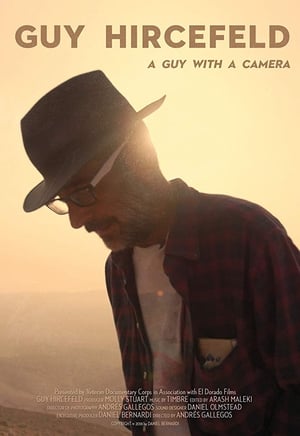
Guy Hircefeld: A Guy with a Camera
Guy Hircefeld, a veteran who served in the Israeli military at the start of its occupation of Palestine in the 1980s, now fights against the Israeli occupation. His only weapon is a camera.
2018
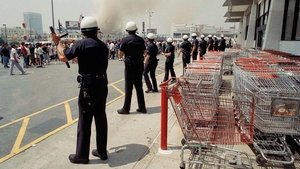
Let It Fall: Los Angeles 1982-1992
An in-depth look at the culture of Los Angeles in the ten years leading up to the 1992 uprising that erupted after the verdict of police officers cleared of beating Rodney King.
2017
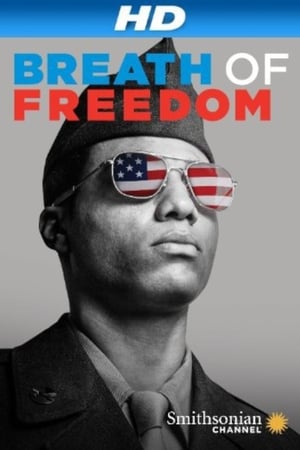
Breath of Freedom
In World War II. African-American GIs liberate Germany from Nazi rule while racism prevailed in their own army and home country. Returning home they continue fighting for their own rights in the civil rights movement.
2014
Africa Light / Gray Zone
"Africa Light" - as white local citizens call Namibia. The name suggests romance, the beauty of nature and promises a life without any problems in a country where the difference between rich and poor could hardly be greater. Namibia does not give that impression of it. If you look at its surface it seems like Africa in its most innocent and civilized form. It is a country that is so inviting to dream by its spectacular landscape, stunning scenery and fascinating wildlife. It has a very strong tourism structure and the government gets a lot of money with its magical attraction. But despite its grandiose splendor it is an endless gray zone as well. It oscillates between tradition and modernity, between the cattle in the country and the slums in the city. It shuttles from colonial times, land property reform to minimum wage for everyone. It fluctuates between socialism and cold calculated market economy.
2010
For the Rights of All: Ending Jim Crow in Alaska
In 1867, when the United States purchased the Alaska territory, the promise of the Constitution and the Bill of Rights didn't apply to Alaska Natives. Their struggle to win justice is one of the great, untold chapters of the American civil rights movement, culminating at the violent peak of World War II with the passage of one of the nation's first equal rights laws.
2009
Democracy Is ...
The film is a controversy on democracy. Is our society really democratic? Can everyone be part of it? Or is the act of being part in democracy dependent to the access on technology, progression or any resources of information, as philosophers like Paul Virilio or Jean Baudrillard already claimed?
2009
Information Violence
2002
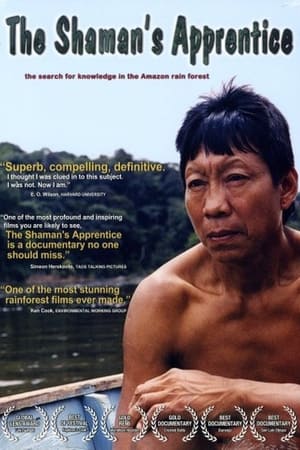
The Shaman's Apprentice
Scientist Mark Plotkin races against time to save the ancient healing knowledge of Indian tribes from extinction.
2001
But... Seriously
A documentary juxtaposing the events of the 20th century with the commentary of stand-up comedians.
1994
Holocaust Denial vs. Freedom of Speech
1994
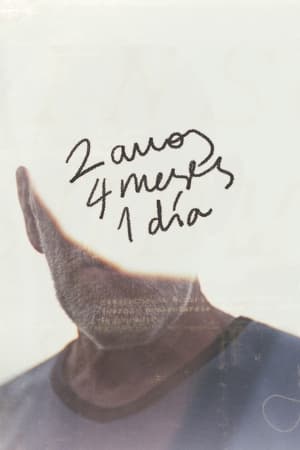
Two Years, Four Months, A Day
With no choice, César faced leaving his family behind, quitting his job and joining the Army. In an unprecedented chain of events he became the first conscientious objector in Galicia (Spain) to be put in prison. Now, nearly thirty years later, Two Years, Four Months, A Day takes a look at what made him do it.
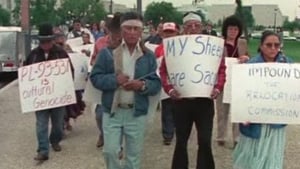
Broken Rainbow
Documentary chronicling the government relocation of 10,000 Navajo Indians in Arizona.
1985
Northwest Indian Art
Shows representative samples of Northwest Indian art collected from six different museums, featuring the double-faced mechanical masks which were part of this culture.
1966