Watch It Was Hot That Day: A Jandiman Story (2024) Online Free
Enduring 28 days of relentless construction labor, Frank struggles to prep a house for painting amidst Phoenix's scorching pandemic summer.
Cast
Chisco Valdés
More Like This
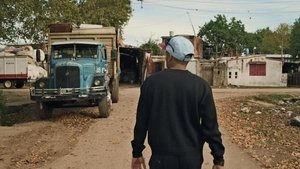
Luciano
Luciano lives with his mother and younger sister in a low-income neighborhood in the Argentine city of Rosario. He studies and helps with the housework. Since money is always short, he takes any temporary work he can get to support his family, while he looks for a steady job. After years of spending long hours at the gym, he has managed to see himself in the body he longed for. Life, however, imposes new challenges on him in his relentless journey to pursue his identity.
2025

Sin Voz
Told almost entirely without spoken words, this film unfolds in the language of its subjects: Guatemalan Sign Language. In a country where more than 850,000 Deaf people receive little institutional support, silence becomes both a barrier and a form of connection. Through classrooms, homes, and everyday life, the film observes a community building its own means of understanding and belonging. Among those leading the way are Melkin, Dairy, and Jonathan, the teachers, students, and leaders within Guatemalan Deaf Ministries, where the language of hands has become the language of hope.
2025
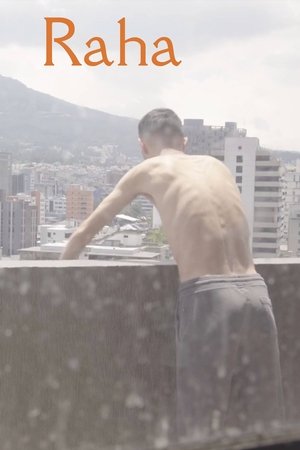
Raha
A portrait of a queer HIV+ Iranian refugee in Quito.
2024

Cat's Attic
Brair Kani explores an ancestral house located in Srinagar, Kashmir. Using the attic as a site of reflection, the film navigates the relationship between space, belonging and personal history. Inhabiting the confines of the attic, the house spirits exist simultaneously as carriers of collective memory and as manifestations of the emotional landscape.
2023

Habla Loud
Inspiring celebrities and influential Latinos come together to "speak loudly" and share their stories of being Latinos in the U.S.
2022
Liubov
Liubov, a Russian lady who lives in Mexico City. During the routine of her day, Liubov will recall the experiences she had with death, from childhood to adulthood.
2022
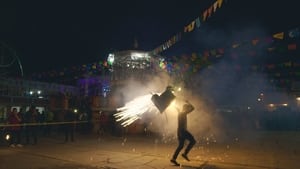
Oaxacalifornia: The Return
The Mejia family emigrated from Oaxaca to Fresno, California 40 years ago. Filmmaker Trisha ZIff filmed the family in 1996, and returns now to see the changes that have settled over them, and follows the family on their return to Mexico.
2021
Invisible Monsters and Tomato Soup
A batch of mushy sourdough. Two radioactive lizards. Three cans of Campbell’s tomato soup. When COVID-19 lockdowns began in 2020, people around the world began reporting more vivid dreams.
2021
Así Pasó
2021
A Wrestling Legacy
Relámpago Negro is a professional wrestler who lived in his own flesh the golden age of wrestling in Guatemala. 40 years later everything has changed, except his passion for the sport. Relámpago Negro tells us how his passion leads him to keep wrestling alive after so long, building a legacy for professional wrestling until this day.
2020
Our Ingredients: Corn
Food is a unifying force across our communities. In this short film, we share the stories of three Latinos - each from a different country but now living in the same American city - who come together to share flavors of their homeland, all of which include one central ingredient.
2019
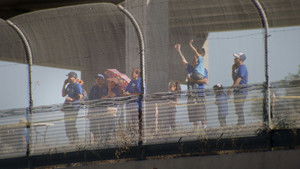
A 3 Minute Hug
As daylight breaks between the border cities of El Paso, Texas, and Juarez, Mexico, undocumented migrants and their relatives, divided by a wall, prepare to participate in an activist event. For three minutes, they’ll embrace in no man’s land for the briefest and sweetest of reunions.
2018
The Wildebeest Migration: Nature's Greatest Journey
Every year, on the steppes of the Serengeti, the most spectacular migration of animals on our planet: Around two million wildebeest, Burchell's zebra and Thomson's gazelles begin their tour of nearly 2,000 miles across the almost treeless savannah. For the first time, a documentary captures stunning footage in the midst of this demanding journey. The documentary starts at the beginning of the year, when more than two million animals gather in the shadow of the volcanoes on the southern edge of the Serengeti in order to birth their offspring. In just two weeks, the animal herd's population has increased by one third, and after only two days, the calves can already run as fast as the adults The young wildebeest in this phase of their life are the most vulnerable to attacks by lions, cheetahs, leopards or hyenas. The film then follows the survivors of these attacks through the next three months on their incredible journey, a trip so long that 200,000 wildebeest will not reach the end.
2012
Special Flight
Switzerland still carries out special flights, where passengers, dressed in diapers and helmets, are chained to their seats for 40 hours at worst. They are accompanied by police officers and immigration officials. The passengers are flown to their native countries, where they haven't set foot in in up to twenty years, and where their lives might be in danger. Children, wives and work are left behind in Switzerland. Near Geneva, in Frambois prison, live 25 illegal immigrants waiting for deportation. They are offered an opportunity to say goodbye to their families and return to their native countries on a regular flight, escorted by plain-clothes police officers. If they refuse this offer, the special flight is arranged fast and unexpectedly. The stories behind the locked cells are truly heartbreaking.
2011
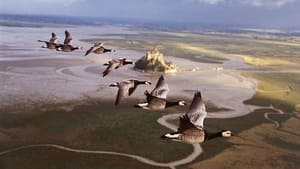
Winged Migration
This documentary follows various migratory bird species on their long journeys from their summer homes to the equator and back, covering thousands of miles and navigating by the stars. These arduous treks are crucial for survival, seeking hospitable climates and food sources. Birds face numerous challenges, including crossing oceans and evading predators, illness, and injury. Although migrations are undertaken as a community, birds disperse into family units once they reach their destinations, and every continent is affected by these migrations, hosting migratory bird species at least part of the year.
2001
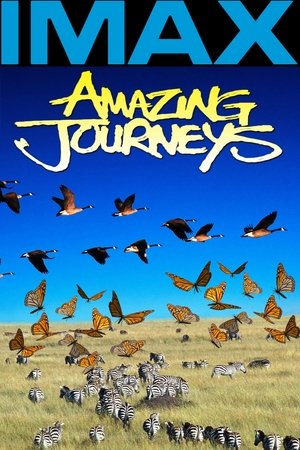
Amazing Journeys
By land, by air, and by sea, viewers can now experience the struggle that millions of creatures endure in the name of migration as wildlife photographers show just how deeply survival instincts have become ingrained into to the animals of planet Earth. From the monarch butterflies that swarm the highlands of Mexico to the birds who navigate by the stars and the millions of red crabs who make the perilous land journey across Christmas Island, this release offers a look at animal instinct in it's purest form.
1999
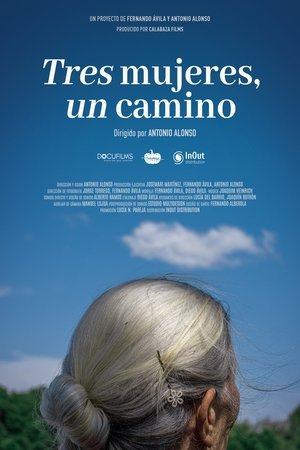
Tres mujeres, un camino

The Place of Chimeras
An elegy about ‘José Ð Almeida’s life and work. Along an intimate metamorphosis, this dreamlike and visually expressive world created by the visionary and insane dreamer is recreated and performed between a symbiosis of moving image, photography and painting- in a scenic, dramatic, symbolic and mystical tone.

Childhoods without Borders: Voices in Motion
"Childhoods without Borders: Voices in Motion" is a documentary in which migrant boys and girls narrate the experiences and challenges they have faced in search of a better life.

Tent City
The story of a group of Cubans who arrived in Miami during the Mariel Boatlift and were housed in an improvised camp in the heart of the city. Everyone lived together —men and women, homosexuals and heterosexuals, separated only by cloth curtains that hung from ropes suspended between the beds, like floating walls.
1981