Watch La Camioneta: The Journey of One American School Bus (2013) Online Free
Every day dozens of decommissioned school buses leave the United States on a southward migration that carries them to Guatemala, where they are repaired, repainted, and resurrected as the brightly-colored camionetas that bring the vast majority of Guatemalans to work each day. Since 2006, nearly 1,000 camioneta drivers and fare-collectors have been murdered for either refusing or being unable to pay the extortion money demanded by local Guatemalan gangs. LA CAMIONETA follows one such bus on its transformative journey: a journey between North and South, between life and death, and through an unfolding collection of moments, people, and places that serve to quietly remind us of the interconnected worlds in which we live.
More Like This
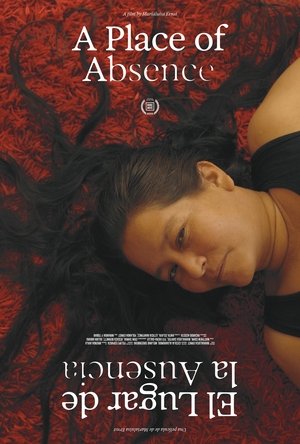
A Place of Absence
This poetic film follows director Marialuisa's journey with Anita and Leticia, Central American women traveling with the Caravan of Mothers of Missing Migrants.
2025
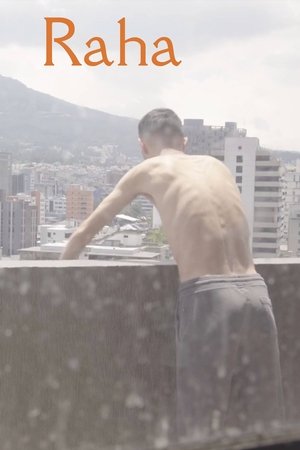
Raha
A portrait of a queer HIV+ Iranian refugee in Quito.
2024
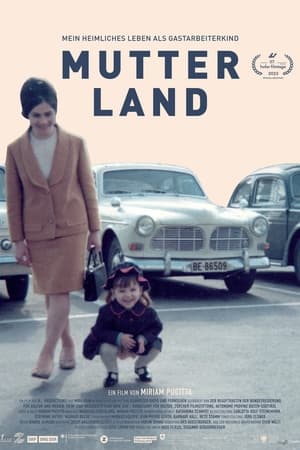
Motherland
Director Miriam Pucitta grew up as the child of Italian migrant workers in Switzerland in the 1960s and 1970s. She herself has only fragmentary memories of this time; her mother and other relatives evade Miriam's questions. Together with her daughter Giulia, she researches her family's living conditions in Switzerland and finds a new understanding of her parents' difficult decisions.
2024
Between Lands
A long time ago, Ana Laura, Gustavo, and Jesús crossed the border in search of a better opportunity. They worked hard, built a family, and made a life in the United States. Day by day, years after their arbitrary deportations to Mexico, they deal with the grief of being separated from their families. As time goes by, the shattered existence of everyone is slowly and inevitably rebuilt, far away and apart from each other.
2023
Homebound
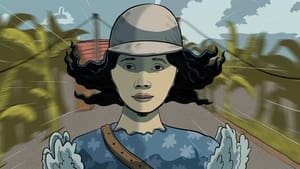
Through first person narration, Tari reveals personal stories related to her decision to work in Taiwan, her strained family relationships, the risks involved in working abroad and the traps she has fallen into.
2022
Así Pasó
2021
A Wrestling Legacy
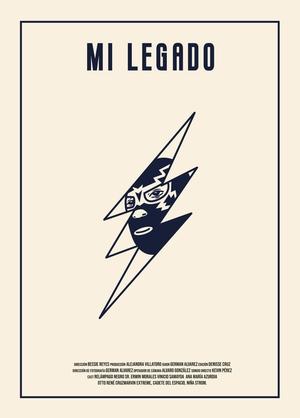
Relámpago Negro is a professional wrestler who lived in his own flesh the golden age of wrestling in Guatemala. 40 years later everything has changed, except his passion for the sport. Relámpago Negro tells us how his passion leads him to keep wrestling alive after so long, building a legacy for professional wrestling until this day.
2020

Apiyemiyekî?
Apiyemiyekî? addresses the genocide of the Waimiri-Atroari people in 1970s, when during the Brazilian dictatorship indigenous lands in the mid-west were invaded for the construction of the national road BR-174 and the installation of a mining company. Illustrations about the period, created by the indigenous population, including children, reveal a traumatic history, referring us to the present day.
2020

Memories to Choke On, Drinks to Wash Them Down
This anthology film, whose Chinese title begins with a romantic name for human excrement, premiered internationally at Rotterdam and won Best Screenplay from the Hong Kong Film Critics Society. A variety of Hong Kong people wrestle with nostalgia when facing an uncertain future. Their stories give way to a documentary featuring a young barista turned political candidate.
2019

OVERHEIGHT MUST TURN
For the past ten years, Jürgen Henn has filmed over-height trucks crashing into the 11foot8 train bridge affectionately nicknamed the "Can Opener." In that time, millions have viewed the crashes online. Regional, national, and international news organizations have dined out on the story and the goofy crash reels. But why do motorists continue to crash despite the many warnings, sensors, and signs? And what is it about these crashes that holds our attention? In this piece, we look for the humanity in human error.
2018
Expedition Happiness
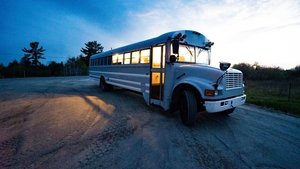
A German couple and their dog travel across North America in a school bus searching for a state of pure bliss.
2017
2017 Oscar Nominated Short Films: Documentary
2017
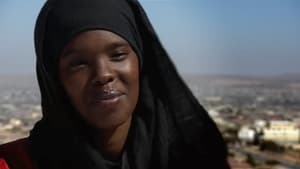
Escape from the World's Most Dangerous Place
Successful model Samira Hashi makes an emotional return to Somalia, one of the most dangerous places in the world and the place she was born. Civil war broke out in 1991, 10 days after Samira's birth, but two years later her family managed to flee the country and she grew up in the UK.Now, as Samira and the war both turn 21, she's going back for the first time to visit the people and places she left behind. The contrast with her safe and glamorous life in London could not be starker as she experiences firsthand the war's effect on a generation of young people growing up in conflict.
2012

Graffiti Wars
A look at the feud between graffiti artists King Robbo and Banksy.
2011
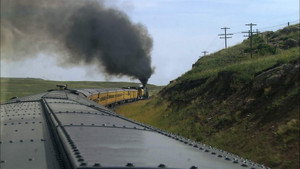
Hear That Train a Comin'
Meet the crew of the Union Pacific Challenger No. 3985, the largest and most powerful steam engine in the world. This colorful documentary is a behind-the-scenes look at the conductors, engineers and mechanics who keep this fickle train running, an engaging history of steam power, and a scenic tour the Great Plains -- from Cheyenne, Wyo., through Denver and across Nebraska to the Omaha headquarters of the Union Pacific.
2006
Home Movie: A Diary for my American-Born Son
A film about homes on both sides of an ocean.
2003
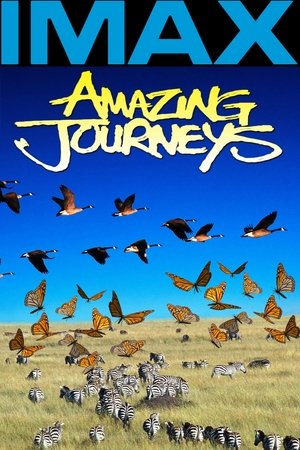
Amazing Journeys
By land, by air, and by sea, viewers can now experience the struggle that millions of creatures endure in the name of migration as wildlife photographers show just how deeply survival instincts have become ingrained into to the animals of planet Earth. From the monarch butterflies that swarm the highlands of Mexico to the birds who navigate by the stars and the millions of red crabs who make the perilous land journey across Christmas Island, this release offers a look at animal instinct in it's purest form.
1999
Abegweit
A day-to-day record of the construction of the Confederation Bridge linking Prince Edward Island to the mainland, Abegweit reveals some of the innovations that made this mammoth project one of the most impressive engineering feats in Canadian history.
1998
Wir sind schon da!
Five women, members of the Sans Papiers, talk about the history and reasons for founding the organisation, as well as their most important demands, like getting permits of residence for refugee women so they don't depend on their husbands' status.
1997

Andy Warhol
The first major profile of the American Pop Art cult leader after his death in 1987 covers the whole of his life and work through interviews, clips from his films, and conversations with his family and superstar friends. Andy Warhol, the son of poor Czech immigrants, grew up in the industrial slums of Pittsburgh while dreaming of Hollywood stars. He went on to become a star himself.
1987