Watch Red Maria 2 (2015) Online Free
Korean sex worker Yonhee goes to Japan to build solidarity with her counterparts there. YAMASITA Youngae heads for Kyoto to give a lecture on how former prostitute-turned-comfort women were left out of the movement to achieve justice for comfort women. Korean professor PARK Yu-ha is sued by former comfort women because of her book Comfort Women of the Empire. Reportage writer KAWADA Fumiko Tells the story of BAE Bonki, a Korean who worked as a comfort woman in Okinawa. Shuttling between the issue of sex workers who refuse to be pictured as victims and the issue of comfort women who couldn’t even be acknowledged as victims, the film reveals stories that had disappeared from official memory.
More Like This
Comfort
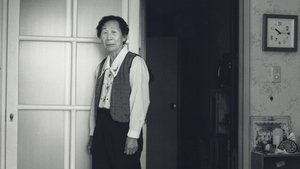
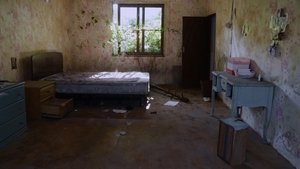
KIM Soonak is a survivor of sex slavery by the Japanese military. The war may have ended, but her life was still at a war. She lived in the prostitute quarters to survive, did sex business in the US military camp town, and peddled goods from the US military. She raised two kids on her own as she worked as a maid. We’ll listen to her story in her absence. The film reconstructs the life story of the deceased KIM Soonak with interviews with activists, archive videos, animation, and read-aloud testimony.
2022
TARGET
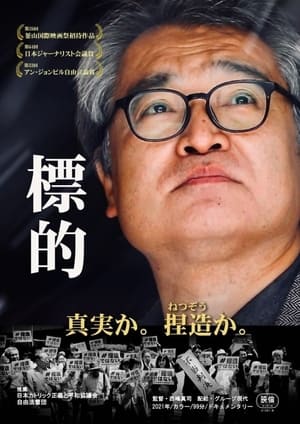
In 1991, the issue of “comfort women” was raised for the first time through the testimony of the late Kim Hak-sun. One of the first reporters in Japan to write an article about her testimony was Uemura Takashi of The Asahi Shimbun. Since the publication of his article, Uemura has been subjected to blatant attacks from the far-right, including threats on his family’s life, and the issue is still ongoing in 2021. Based on Uemura's defamation lawsuit that began in 2015, TARGET details why he had to be someone's “target.”
2021
The Wandering Chef
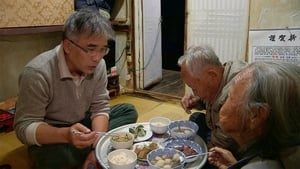
Jiho Im is a world-class chef who wanders the mountainous Korean peninsula on foot for unorthodox ingredients—acorns, weeds, and moss. Along his way, he cooks meals and develops deep relationships with the elders he meets. When one of his closest friends dies, he faces the challenge of his lifetime: cooking a 108-course feast in her honor for her family.
2020
Comfort
2020
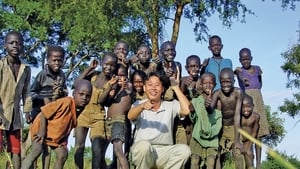
Don't Cry for Me Sudan: Shukran Baba
Tonj, Sudan is the land with only desperation from poverty and war. This is the story about priest also doctor, educator, musician and architect Lee Tae-seok’s work and hidden episode behind.
2020
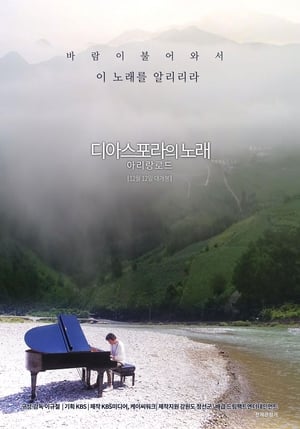
Diaspora: Arirang Road
During the Japanese occupation period, Koreans were forced to deport or drafted to work in other countries. Now 150 years passed, it appears around 7million of those people and their families are spread in 170 countries. There, a world-famous Korean-Japanese musician Yang Bang Ean follows the pathways of Korean diasporas as an inspiration, and performs his cross over music concert called ‘ARIRANG ROAD’.
2019
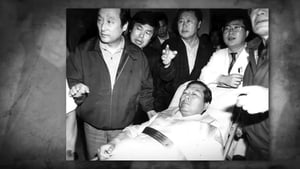
President
This documentary celebrates the life of former President Kim Dae-joong, who fought for democracy in South Korea and peace in the Korean Peninsula. It marks the 10th anniversary of his passing and covers his challenging journey, from his childhood on an island to his imprisonment, exile, near-death experiences, and ultimately becoming the president.
2019
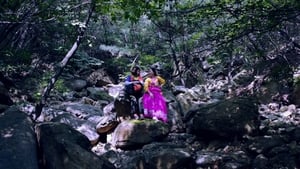
Ryeohaeng
A group of women climbs a summer mountain situated in South Korea. They are refugees who have settled into South Korean society after fleeing from North Korea. For them, climbing the mountains has been an unavoidable journey for survival - a matter of life and death.
2019

To Kill Alice
Eunmi, a woman who underwent intense anti-communist education while she grew up in South Korea, lives a normal life in America. However, after going on a trip to North Korea with her husband, her life begins to change. During an open forum event in South Korea, where she was invited to speak, she suffers the unimaginable, and the more she tries to escape from the situation, the worse and worse it gets.
2019
Twenty Two
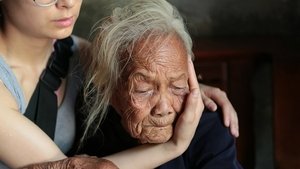
Follow the lives of the elderly survivors who were forced into sex slavery as “Comfort Women” by the Japanese during World War II. At the time of filming, only 22 of these women were still alive to tell their story. Through their own personal histories and perspectives, they tell a tale that should never be forgotten to generations unaware of the brutalization that occurred.
2017
Sound of Nomad: Koryo Arirang
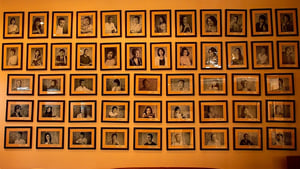
The documentary starts with a diva of a tragic family history related to a history of migration. The rare archival footage reanimates her history reverberating with the current world crisis. Sound of Nomad: Koryo Arirang is a testimonial – a witness to injustice and tragedy, but it is also a declaration of survival – a survival that is not static but transformative – not brittle but fluid. The trains that displace, the deserts that separate form one harsh horizon – a historical limit – but within that limit, against it and across it are people, are a culture, not escaping but flourishing unofficially, with the affective majesty of a melody, a rhythm, an Arirang
2017
Twinsters
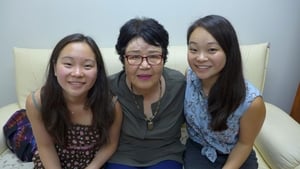
Adopted from South Korea, raised on different continents & connected through social media, Samantha & Anaïs believe that they are twin sisters separated at birth.
2015
Don't Cry for Me Sudan
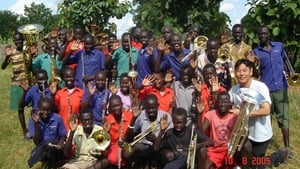
A Schweitzer of Korea Father LEE Tae-seok, devoted his life in Sudan; a remote area of Africa.
2010
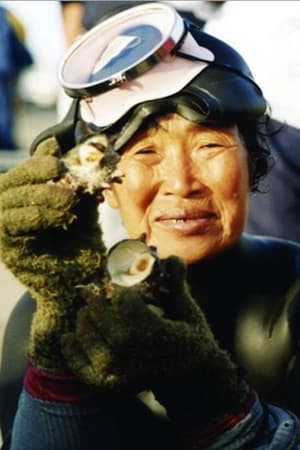
Diving Women of Jeju-do
Jeju-do is the largest of Korean islands and lies between Korea and Japan. There, for hundreds of years, women dive without breathing apparatus, to the ocean floor and collect shellfish, octopus, and urchins that they sell. The divers are in their sixties and seventies and their daughters do not want to inherit their work, lifestyle, and health problems that go with diving. As a filmmaker I was privileged to meet many of these women and dive with them. Their stories of hardship and pride confirmed my desire to record this unique and ancient tradition.
2007
A Secret Buried for 50 Years: The Story of Taiwanese "Comfort Women"
This is Taiwan's first documentary about comfort women. The audience gets a glimpse of history as 13 "grandmothers" speak of their unspeakable past, unknown even to their family, in front of the camera.
1998
Calling the Ghosts
Movie about tortured and humiliated women in concentration camps in Bosnia and Herzegovina.
1996
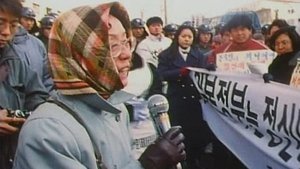
The Murmuring
Every Wednesday at noon, women who were kidnapped for sexual purpose by the Japanese army during its imperialism and their supporters demonstrate against Japanese government to request official apology and indemnity for their crimes. This documentary portrays sexually abused old women's suppressed story of overcoming of their shame and forced silence.
1995
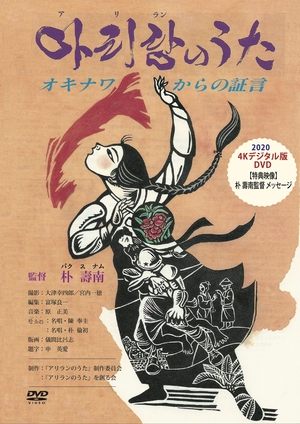
Song of Arirang - Voices from Okinawa
In the final hours of the Pacific War, Okinawa was the destination for Korean men conscripted as “military laborers” and Korean women taken as “comfort women.” Little is known about the number of casualties or their experiences. In 1989, Park Soonam started to track down the survivors of the Battle of Okinawa to record their testimonies. In 1990, Park visits Korea in search of former “military laborers” who had survived Okinawa and repatriated to Korea. The survivors vividly recount their experiences of their compatriots’ murder and about the “comfort women” to the Zainichi Korean female director. The film zeroes in on the murder of Korean “military laborers” and the presence of “comfort women” in Okinawa via testimonies of former Japanese soldiers.
1991
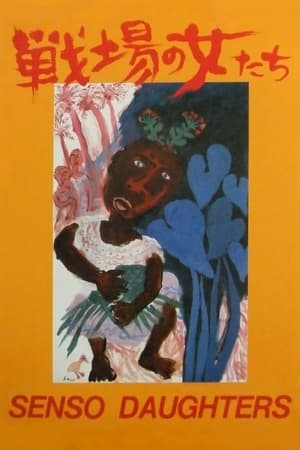
Senso Daughters
Senso Daughters focuses on the legacy of the Japanese occupation of Papua New Guinea during the Second World War. It is a legacy that arises from rape, starvation and terror. Sekiguchi's documentary lets the residents of Papua New Guinea, especially the women, tell the story of their three years under Japanese Army rule.
1990
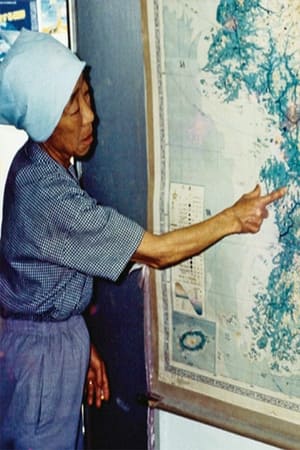
Okinawan Harumoni - Testimony: Military Comfort Women
Bae Ponggi, a Korean woman who became a comfort woman for the former Japanese military in 1944, testifies for the first time in Okinawa in 1975, after Okinawa was returned to the mainland. In the "red-tiled house" on Tokashiki Island, Okinawa, which was turned into a comfort station, she talks about her life and relationships, her situation after being left behind on the Korean Peninsula and unable to return to it after the war, and what happened afterwards.
1979