Watch Mr Black Stork (2020) Online Free
Māris Strazds (also known as "Mr Black Stork") is a man who's been studying black storks and their behaviour for forty years. His love for and relationship with these beautiful birds is longer than the relationship with his wife. Having spent more than half of his life following black storks, Māris is aware that due to deforestation the number of these birds in Latvia is rapidly approaching zero.
More Like This
Saving the Storks with Sir David Attenborough
The remarkable story of one woman raising an army of over 10,000 people to help save one of the rarest birds on Earth from the depths of extinction.
2024
Wordsmiths
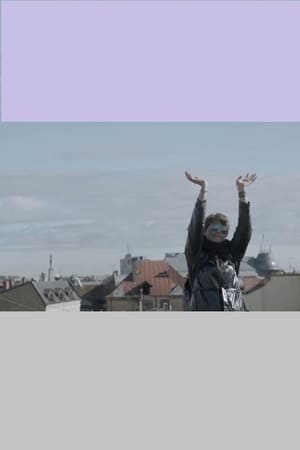
Vārdotājas (Wordsmiths) traces the recent rise of women's stand-up comedy in Latvia, but it is by no means just for laughs. Feelings of discomfort, shame, shock, are just some of the subjects tackled.
2019
The Priest
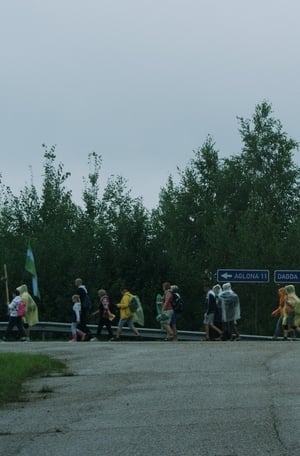
"If a person doesn't go to church anymore, then the church should go to them," says Rinalds, a calm, smiling, young man with a good sense of humor. He is a priest from a small village in Latgale, Latvia's easternmost and poorest region, and the documentary Prīsters (The Priest) follows the routines of his daily life, his thoughts of life and religion and why he chose this path for himself.
2019
Hike '44
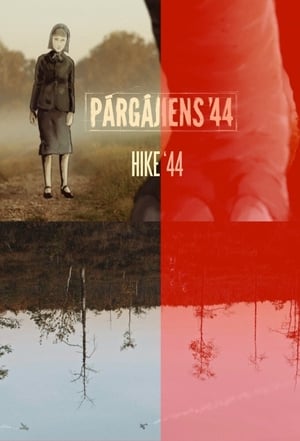
“Hike '44" is a personal story by director Lauris Abele and cinematographer Marcis Abele about how to maintain humanity when the world falls apart. The protagonist of the film, Melita Abele (89), retraces her refugee path from 1944, when, at the age of 14, she had to leave her home at the beginning of winter. Asking strangers for shelter, spend nights in the woods until she found refuge and warm hearts. Through the use of animation, the viewer will be guided through Melita's memories on a journey through recent and present-day Latvia until a series of events brings Melita to what she has been trying to accomplish for 75 years.
2019
To Be Beautiful
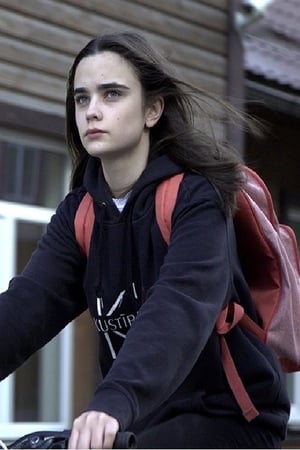
The documentary explores issues of beauty and acceptance in a culture increasingly saturated with idealised and unattainable ideals of femininity. It is a story about the world of young girls in today's Latvia, based on conversations about girls' attitudes towards the world and their place in it.
2019
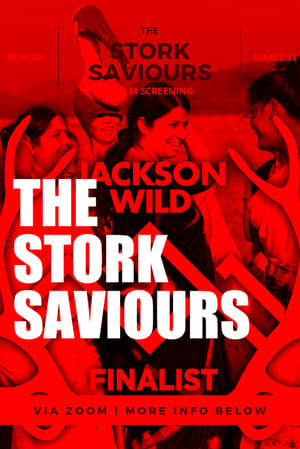
The Stork Saviours
The Film follows the initiatives of conservation biologist Purnima Burman and her quest to involve community women in Assam, to save the Hargilla, a critically endangered bird, coming together as the Hargilla Army.
2019
David and Goliath
The documentary chronicles the life stories of two brothers, Kristaps and Krists. Kristaps, the elder brother, is disabled and has trouble talking, but he can rap. His younger brother Krists is one of the best freestyle BMX bikers in Latvia.
2018
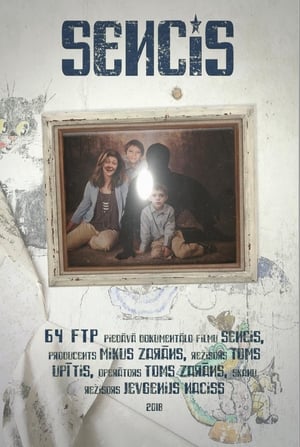
Sencis: Old Man
A documentary that chronicles twin brothers searching for their absent father in faraway Russia. Having very few leads, the twin brothers – different in character and interests – are also looking for the ties that have never bound them as closely as they would have liked.
2018
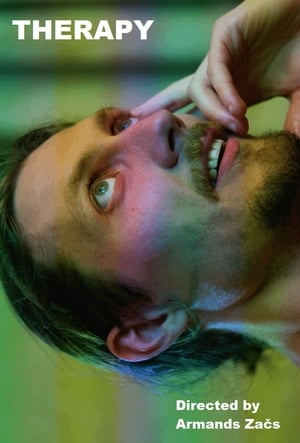
Therapy
The film follows a thirty-year-old man’s efforts to introduce radical changes in his own life: to start visiting a therapist and preparing for the demolition of his bragging childhood home. Story chronicles the troubled relationship between Mārtiņš and his mother, just as he is about to tear down his childhood home.
2018
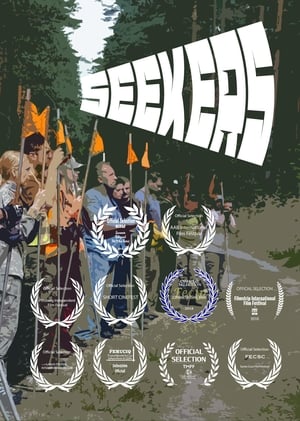
Seekers
This film probes the activities of the bezvests.lv NGO that looks for missing persons and instructs others on how to find them. Since they started in 2009, they’ve helped find more than 90 people who had gone missing. It follows volunteers during training and on a search mission – theirs is a nerve-wracking task as in many cases they only locate the expired body of the missing person.
2017
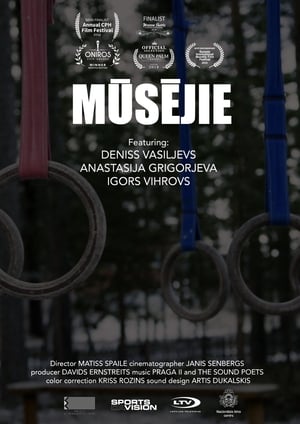
One Of Us
“One Of Us” follows Latvia-born athletes – wrestler Anastasija Grigorjeva, veteran gymnast Igors Vihrovs, and up-and-coming figure skater Deniss Vasiļjevs. Being of non-Latvian ethnicity, they are sometimes treated as ‘others’ by native Latvians, who welcome them into their ranks only when they’ve shown astonishing results.
2017
If Trees Could Talk
Deniss is a Russian-speaking young man working at a fast food chain and spending his days in a small, gloomy apartment where all the things still remind him of his dead grandmother. Once a week he takes the stage, becoming a stand-up comedian. His jokes come from his life, which might be called dull as well as bleak, and, as he puts it, his ‘uninteresting biography’.
2016
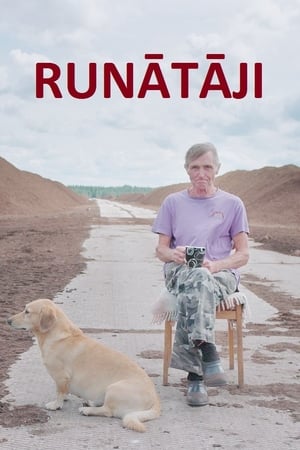
Talkers
The three speakers represent two of the dialects, with the most common one - the middle dialect spoken in Riga and central parts of Latvia - not featured in the film. In intimate surroundings, a farmer, a schoolteacher, and a herder of ostriches talk about perceived differences between Latvian speakers, and about language policy and their lives.
2016
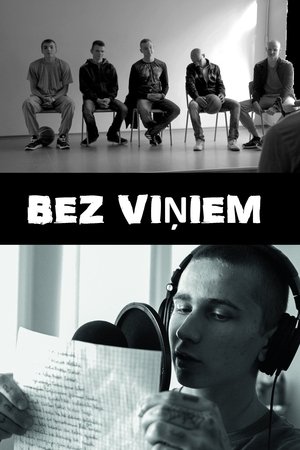
Without Them
Six theater and hip hop teachers take on a five month challenge to show the Latvian public that young men behind bars are more than just that. While seeming impatient, full of disbelief and even rude at first, it turns out to be a superficial impression given off by their masks that must be kept on at all time as an underage colony is a difficult place to be. It has its own rules and it’s not easy being creative there. Teachers help inmates reveal the talents within them that help transcending the monotony of the prison walls.
2016
Grandfather's Father
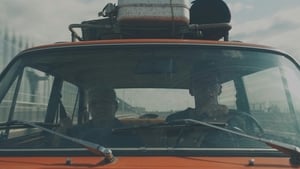
In this film a young man and his curmudgeonly grandfather are going 1,800 km to northern Russia in an old Zhiguli car, hoping to find the grave of their great-grandfather, who was deported. The grandfather Andris is sceptic over the lofty quest, initiated by his grand-son, as it’s not known what awaits them at their destination. Andris thinks they won’t find anything and will come back to Latvia without ever learning what happened to his father. However ever-optimistic Kārlis wants to use the journey not only to find answers about the past but also become closer to his grandfather who raised him. They both lost their parents as children.
2016

Lords of Riga
Lords of Riga allows to see an insight into a passionate subculture of bike couriers. Weaving their way through the urban traffic, they have become silent and sometimes unnoticed witnesses of everyday life in Riga as well as examples of our modern-day society. What is freedom to this bunch of rebellious messengers and where it ends?
2015
Sugarcane, Coati and Monowheel
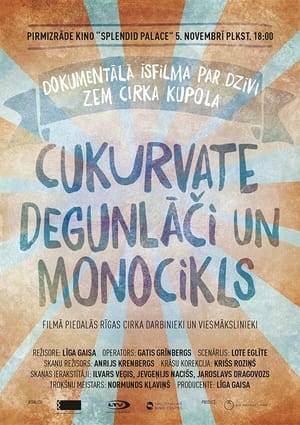
Nearly everybody has been to the circus to laugh about clowns, be afraid of the lions and to eat sugar cane. However, can anyone imagine that circus artists reside right there in the circus building - above the arena in the second floor hotel rooms - where they also prepare meals, do their laundry and try out their magic tricks? For over 125 years, despite the discomfort of non-renovated premises and ubiquitous animal odor, local and foreign circus artists follow their routine to create the circus miracle. Sugarcane, Coati and Monowheel is a film about those who dwell in Riga Circus and about what happens outside the arena before and after meeting audience under the circus dome.
2014
Restart
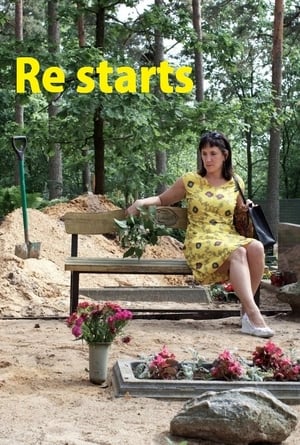
The heroine is a widow and a fiancé who wants to begin a new and happy life. Conflicts in her family’s past prevent it, but she does not give up – she wants to clear away the ruins and do what she can. “Enough of looking for guilt, it’s time to find a solution,” she thinks, and takes action.
2014
Vadātājs
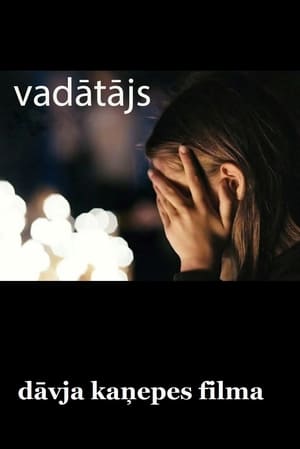
'Vadātājs' is an ancient Latvian mythological creature that leads people to Nowhere. As Latvia has been declared the most superstitious country in the EU, it is important to understand – what do we believe in? Three young filmmakers – a director, cinematographer and sound girl – question if Latvia is a lost country and if a Vadātājs has achieved enormous power by leading Latvian society into confusion. A search for a contemporary Vadātājs*, and the understanding of the origins of confusion within people in the 21st century.
2013
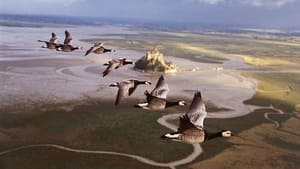
Winged Migration
This documentary follows various migratory bird species on their long journeys from their summer homes to the equator and back, covering thousands of miles and navigating by the stars. These arduous treks are crucial for survival, seeking hospitable climates and food sources. Birds face numerous challenges, including crossing oceans and evading predators, illness, and injury. Although migrations are undertaken as a community, birds disperse into family units once they reach their destinations, and every continent is affected by these migrations, hosting migratory bird species at least part of the year.
2001