Watch Grandfather's Father (2016) Online Free
In this film a young man and his curmudgeonly grandfather are going 1,800 km to northern Russia in an old Zhiguli car, hoping to find the grave of their great-grandfather, who was deported. The grandfather Andris is sceptic over the lofty quest, initiated by his grand-son, as it’s not known what awaits them at their destination. Andris thinks they won’t find anything and will come back to Latvia without ever learning what happened to his father. However ever-optimistic Kārlis wants to use the journey not only to find answers about the past but also become closer to his grandfather who raised him. They both lost their parents as children.
Cast
Andris Fridrihsons, Kārlis Lesiņš
More Like This
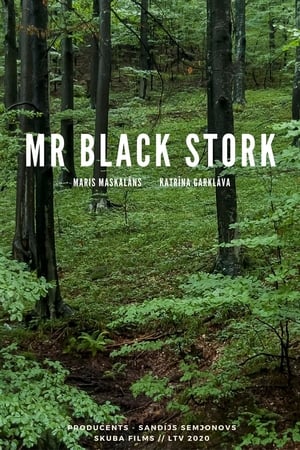
Mr Black Stork
Māris Strazds (also known as "Mr Black Stork") is a man who's been studying black storks and their behaviour for forty years. His love for and relationship with these beautiful birds is longer than the relationship with his wife. Having spent more than half of his life following black storks, Māris is aware that due to deforestation the number of these birds in Latvia is rapidly approaching zero.
2020
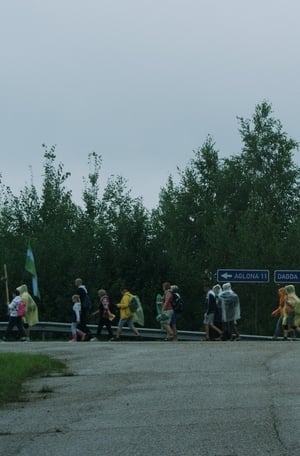
The Priest
"If a person doesn't go to church anymore, then the church should go to them," says Rinalds, a calm, smiling, young man with a good sense of humor. He is a priest from a small village in Latgale, Latvia's easternmost and poorest region, and the documentary Prīsters (The Priest) follows the routines of his daily life, his thoughts of life and religion and why he chose this path for himself.
2019
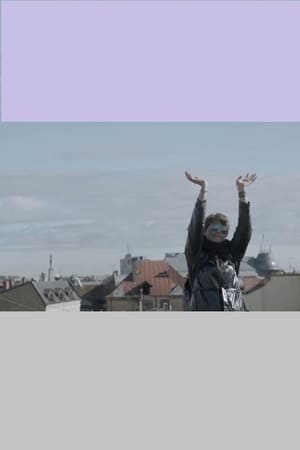
Wordsmiths
Vārdotājas (Wordsmiths) traces the recent rise of women's stand-up comedy in Latvia, but it is by no means just for laughs. Feelings of discomfort, shame, shock, are just some of the subjects tackled.
2019
If Trees Could Talk
Deniss is a Russian-speaking young man working at a fast food chain and spending his days in a small, gloomy apartment where all the things still remind him of his dead grandmother. Once a week he takes the stage, becoming a stand-up comedian. His jokes come from his life, which might be called dull as well as bleak, and, as he puts it, his ‘uninteresting biography’.
2016

Echoes of Us
87-year-old Greek immigrant Koula Agiostratitis recounts how her husband Theo’s dementia diagnosis affected their six-decade-long marriage. Through Koula and her daughters, Vivian and Phyllis, we witness how their once music-filled home is transformed by what the family describes as “the longest goodbye.” This intimate portrait of love, caregiving and cultural duty reflects on how memory loss reverberates beyond the individual to reshape the fabric of family and culture.
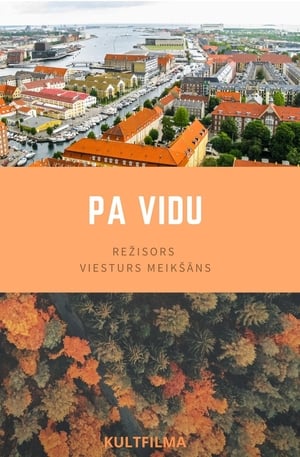
In the Middle
A story of a Latvian family making tentative plans to return to Latvia. Ģirts, a doctor working in Denmark for nine years, receives an invitation to set up a professional practice back in Latvia – a welcome opportunity, as he would like to look after his parents better. But things aren't as simple as that, and his family is divided over the issue.
2020
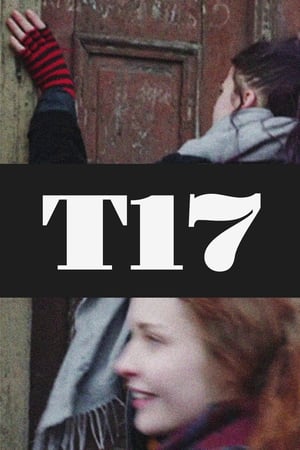
Brīva vieta - Lastādija
Director Aija Bley's "Brīva Vieta - T17" captures the unique testimony of the modern era of Riga - the life of "antisquoters". The film tells about the daily life and dreams of the youth community and a mute fish, the so-called commune T17. The community lives in a non-landscaped building, so its occupation is a real challenge. The house is located under the paspārns of the association " Free Riga ", whose movement is based on a responsible attitude towards nature and the careful use of resources. Here, the community is motivated by the conviction that so few resources in everyday life should be consumed in the urban environment. The film follows the everyday life of the community members, who use their lifestyle to use the resources of nature, material, culture and time.
2019
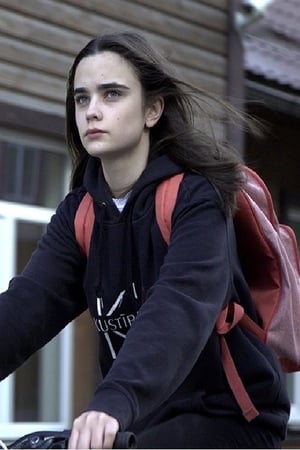
To Be Beautiful
The documentary explores issues of beauty and acceptance in a culture increasingly saturated with idealised and unattainable ideals of femininity. It is a story about the world of young girls in today's Latvia, based on conversations about girls' attitudes towards the world and their place in it.
2019
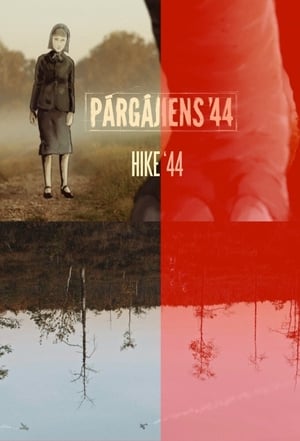
Hike '44
“Hike '44" is a personal story by director Lauris Abele and cinematographer Marcis Abele about how to maintain humanity when the world falls apart. The protagonist of the film, Melita Abele (89), retraces her refugee path from 1944, when, at the age of 14, she had to leave her home at the beginning of winter. Asking strangers for shelter, spend nights in the woods until she found refuge and warm hearts. Through the use of animation, the viewer will be guided through Melita's memories on a journey through recent and present-day Latvia until a series of events brings Melita to what she has been trying to accomplish for 75 years.
2019
David and Goliath
The documentary chronicles the life stories of two brothers, Kristaps and Krists. Kristaps, the elder brother, is disabled and has trouble talking, but he can rap. His younger brother Krists is one of the best freestyle BMX bikers in Latvia.
2018
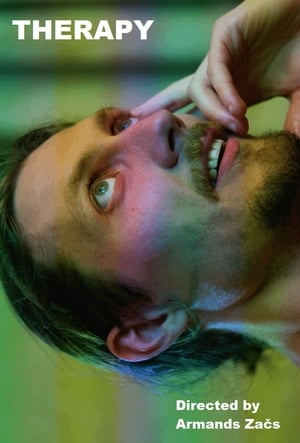
Therapy
The film follows a thirty-year-old man’s efforts to introduce radical changes in his own life: to start visiting a therapist and preparing for the demolition of his bragging childhood home. Story chronicles the troubled relationship between Mārtiņš and his mother, just as he is about to tear down his childhood home.
2018
Trillium
There are about 250 people with a unique ancestry. Livonians – one of the smallest and most endangered nations. Each of Livonians has a duty to preserve their identity and the great history of their ancestors. Trillium follows the footsteps of a poet and researcher Valts Ernštreits, who is one of 20 people able to speak fluent Livonian – an indigenous language related to Estonian and Finnish – in his efforts to look after the language and culture of these ancient settlers of the Baltic Sea coast.
2018
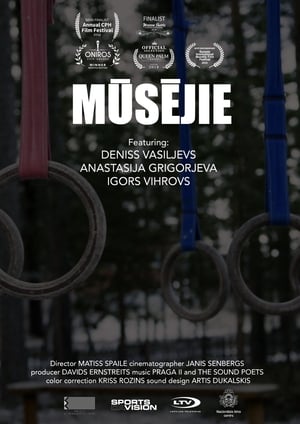
One Of Us
“One Of Us” follows Latvia-born athletes – wrestler Anastasija Grigorjeva, veteran gymnast Igors Vihrovs, and up-and-coming figure skater Deniss Vasiļjevs. Being of non-Latvian ethnicity, they are sometimes treated as ‘others’ by native Latvians, who welcome them into their ranks only when they’ve shown astonishing results.
2017
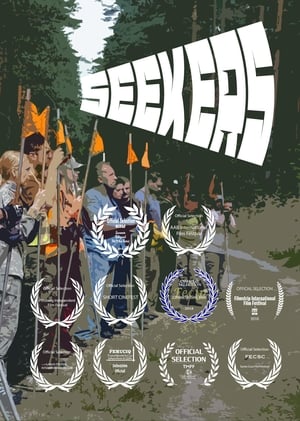
Seekers
This film probes the activities of the bezvests.lv NGO that looks for missing persons and instructs others on how to find them. Since they started in 2009, they’ve helped find more than 90 people who had gone missing. It follows volunteers during training and on a search mission – theirs is a nerve-wracking task as in many cases they only locate the expired body of the missing person.
2017

Residents
The documentary “Residents” probes problems in Latvia in general and Latvia’s medicine in particular with the story of two energetic young interns, Kārlis and Laura.
2017
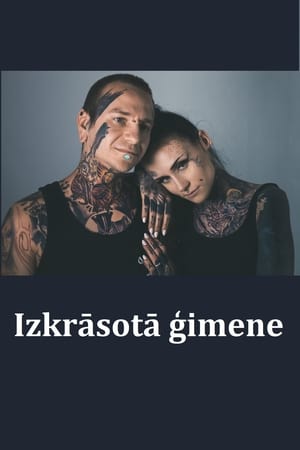
The Inked Family
“The Inked Family” follows a couple of married Latvian-born tattoo artists – Anrijs and Monami Frost of online fame. They’re now living in Liverpool with their daughter, and their previous lives in Latvia seem almost surreal to them. The film traces Monami’s past, and the couple’s current lives and the success they’ve found as tattoo artists.
2017
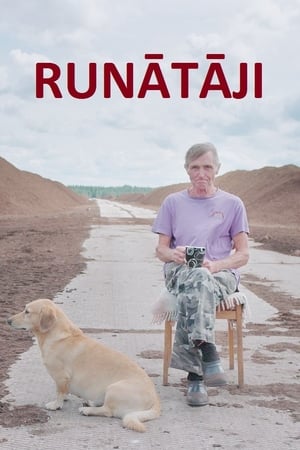
Talkers
The three speakers represent two of the dialects, with the most common one - the middle dialect spoken in Riga and central parts of Latvia - not featured in the film. In intimate surroundings, a farmer, a schoolteacher, and a herder of ostriches talk about perceived differences between Latvian speakers, and about language policy and their lives.
2016
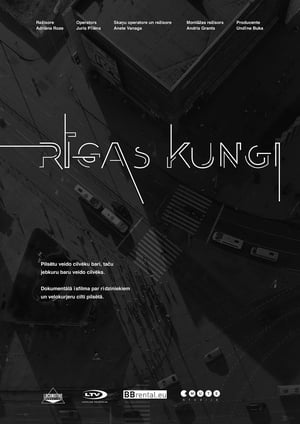
Lords of Riga
Lords of Riga allows to see an insight into a passionate subculture of bike couriers. Weaving their way through the urban traffic, they have become silent and sometimes unnoticed witnesses of everyday life in Riga as well as examples of our modern-day society. What is freedom to this bunch of rebellious messengers and where it ends?
2015
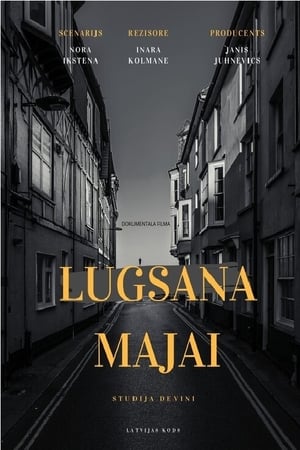
Prayer for a Home
Prayer for a Home shows how everyone needs shelter and a home – people in Latvia, Europe and troubled regions throughout the world. The film relates the story of the distinguished Latgalian poet Anna Rancāne and her family – her daughter Terēze, her grandson Daniel, and Daniel’s father, Dara Muhammad Ali – who are trying to stick together despite unfortunate circumstances. Even though Terēze and Anna are Catholic, while Dara is a Muslim from Kurdistan, their love transcends religious, national and cultural prejudice. However, due to circumstances beyond their control, the family is not destined to remain together, despite doing everything they can to stay close.
2015
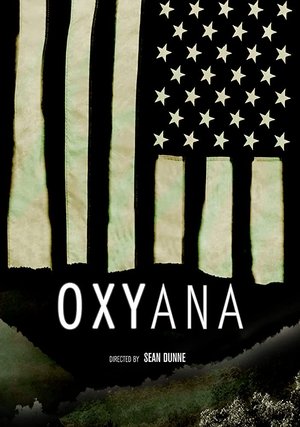
Oxyana
Oceana, West Virginia—known as “Oxyana” after its residents’ epidemic abuse of OxyContin—is a tragically real example of the insidious spread of drug dependency throughout the country. Set against an abandoned coal mining landscape to the melodies of Deer Tick’s haunting score, this unflinchingly intimate documentary probes the lives of Oceana’s afflicted and exposes the day-to-day experience of a town living in the harsh grip of addiction.
2013