Watch Talkers (2016) Online Free
The three speakers represent two of the dialects, with the most common one - the middle dialect spoken in Riga and central parts of Latvia - not featured in the film. In intimate surroundings, a farmer, a schoolteacher, and a herder of ostriches talk about perceived differences between Latvian speakers, and about language policy and their lives.
More Like This
Hunting Confessions
"This project consists a visual fluidity of construction, harmony and thoughts taking colors and length from this body of autonomy. Different images between figuration and abstraction are created by meaning and phenomenon letting the decoupage revealing a piece of a strange underworld. I built it like a window opened to the fresh air of improvisation by familiar landscapes, those exact moments articulating a connection between light and movement."
2025

Running Fields IV
Twenty-four images of a camera running in the woods, a moonlight and a cemetery through improvised gestures, mechanical abstraction and saturated colors
2024
Running Fields III
Twenty images of a camera running next to a chemical platform and capturing abstract light throught improvised gestures and asymmetrical motion
2024

Running Fields II
Fifteen images of a camera running in a park and in obscurity searching the space of light through distorsion and the sensory of rapid motion.
2024
Omegäng
How is our dialect faring in the globalized age? When the "railroad age" began 160 years ago, Switzerland feared that High German would supplant the dialect. The opposite has happened. The dialect persists and continues to blossom.
2024
Kampen om Grønland
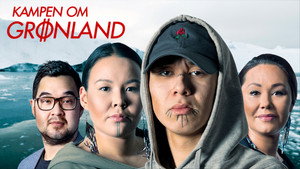
The world's largest island has been part of Denmark since 1721, but a significant majority of the 56.000 inhabitants now want independence. They feel their culture and language is threatened and is the main reason for the many suicides among young people. But the Danish speaking Greenlanders feel discriminated and want to keep the ties to Denmark. The film follows four strong young Greenlanders, who each in their own way insist on taking responsibility for the future of their country. The documentary explores the difficult balance between the right to self-determination and xenophobic nationalism. Between traditional culture and globalization.
2020
Wordsmiths
Vārdotājas (Wordsmiths) traces the recent rise of women's stand-up comedy in Latvia, but it is by no means just for laughs. Feelings of discomfort, shame, shock, are just some of the subjects tackled.
2019
The Priest
"If a person doesn't go to church anymore, then the church should go to them," says Rinalds, a calm, smiling, young man with a good sense of humor. He is a priest from a small village in Latgale, Latvia's easternmost and poorest region, and the documentary Prīsters (The Priest) follows the routines of his daily life, his thoughts of life and religion and why he chose this path for himself.
2019
The Nightingale Sings
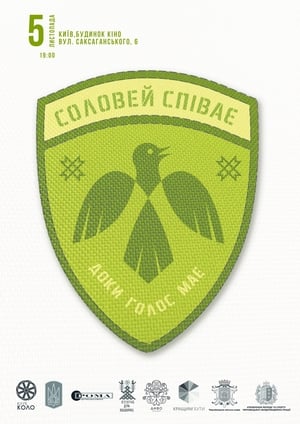
The movie explores the origin of the Ukrainian language and persecution of those who defended its authenticity. Using examples of other countries, creators of the film prove that a nation cannot exist without a language.
2019
Se ti Sabir
"Se ti sabir" is a film reflecting on language, intelligence, and our relationship with new technologies and non-human species.
2019
Those Who Come, Will Hear
The documentary proposes a unique meeting with the speakers of several indigenous and inuit languages of Quebec – all threatened with extinction. The film starts with the discovery of these unsung tongues through listening to the daily life of those who still speak them today. Buttressed by an exploration and creation of archives, the film allows us to better understand the musicality of these languages and reveals the cultural and human importance of these venerable oral traditions by nourishing a collective reflection on the consequences of their disappearance.
2018
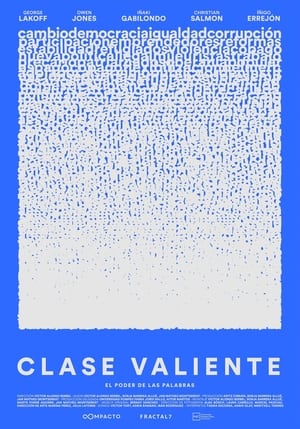
The Brave Class
Three college students start a social experiment to prove that reality changes according to the words we use to describe it. Through research, activist actions, and artistic interventions, they analyze the importance of language in the way we understand the world. The documentary includes analysis from more than 20 international experts and leaders in the fields of political communication and information.
2017
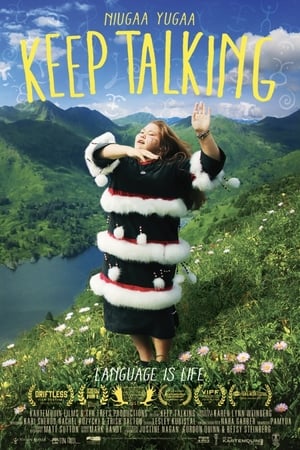
Keep Talking
Three Alaska Native women work to save their endangered language, Kodiak Alutiiq, and ensure the future of their culture while confronting their personal demons. With just 41 fluent Native speakers remaining, mostly Elders, some estimate their language could die out within ten years. The small community travels to a remote Island, where a language immersion experiment unfolds with the remaining fluent Elders. Young camper Sadie, an at-risk 13 year old learner and budding Alutiiq dancer, is inspired and gains strength through her work with the teachers. Yet PTSD and politics loom large as the elders, teachers, and students try to continue the difficult task of language revitalization over the next five years.
2017

Cree Code Talker
CREE CODE TALKER reveals the role of Canadian Cree code talker Charles 'Checker' Tomkins during the Second World War. Digging deep into the US archives it depicts the true story of Charles' involvement with the US Air Force and the development of the code talkers communication system, which was used to transmit crucial military communications, using the Cree language as a vital secret weapon in combat.
2016
School of Babel
They just arrived in France. They are Irish, Serbs, Brazilians Tunisians, Chinese and Senegalese ... For a year, Julie Bertuccelli filmed talks, conflicts and joys of this group of students aged 11 to 15 years, together in the same class to learn French.
2014
Aranzazú, a memory of ruins
The celebration of a city is held every year and nostalgia is the main guest. Around the city there is nothing but ruins and in the distance, four men walk the streets of a city that was once great.
2012
Lon Marum
A TV-hour length documentary film depicting the relationship between language, culture, place, music, tradition, and magic on an active volcano, in the Pacific nation of Vanuatu, on the island of Ambrym.
2012
Mom n' Me
The filmmaker traces the loss of her ancestral language over three generations of her family, and her own desire to recover it.
2010
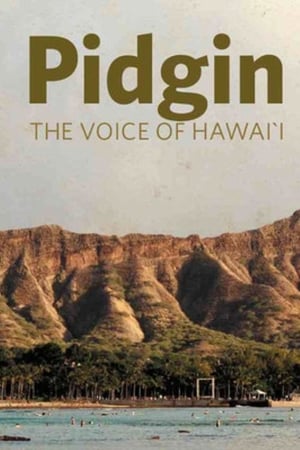
Pidgin: The Voice of Hawai'i
What if you are made to feel ashamed when you speak your "mother tongue" or ridiculed because of your accent? "Pidgin: The Voice of Hawai'i" addresses these questions through its lively examination of Pidgin - the language spoken by over half of Hawai'i's people.
2009
Comprehensive School
The joys of 1960s modern education - as seen at a not-exactly-typical local comp.
1962