Watch Walking with Pasolini (2008) Online Free
A documentary about Pier Paolo Pasolini and his film 'Salò o le 120 giornate di Sodoma'.
Cast
Noam Chomsky, Neil Bartlett, David Forgacs, Craig Lapper, Robert Davide
More Like This
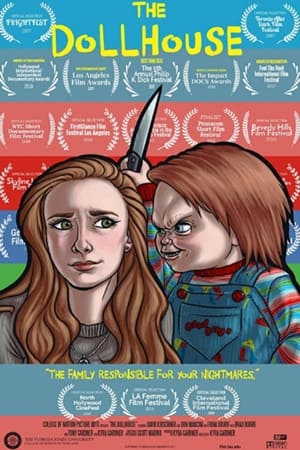
The Dollhouse
Kyra Gardner's loving tribute to growing up in the world of the psycho killer doll, Chucky.
2017
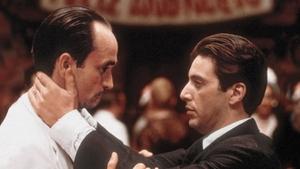
I Knew It Was You: Rediscovering John Cazale
John Cazale was in only five films – The Godfather, The Conversation, The Godfather: Part II, Dog Day Afternoon and The Deer Hunter – each was nominated for Best Picture. Yet today most people don't even know his name. I KNEW IT WAS YOU is a fresh tour through movies that defined a generation.
2009
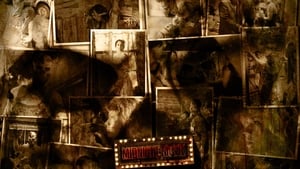
Midnight Movies: From the Margin to the Mainstream
From 1970-1977, six low budget films shown at midnight transformed the way we make and watch films.
2006
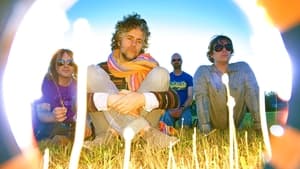
The Fearless Freaks
Equal parts punk and psychedelia, the Flaming Lips emerged from Oklahoma City as one of the most bracing bands of the late 1980s. The Fearless Freaks documents their rise from Butthole Surfers-imitating noisemakers to grand poobahs of orchestral pop masterpieces. Filmmaker Bradley Beesely had the good fortune of living in the same neighborhood as lead Lip Wayne Coyne, who quickly enlisted his buddy to document his band's many concerts and assorted exploits. The early footage is a riot, with tragic hair styles on proud display as the boys attempt to cover up their lack of natural talent with sheer volume. During one show, they even have a friend bring a motorcycle on stage, which is then miked for sound and revved throughout the performance, clearing the club with toxic levels of carbon monoxide. Great punk rock stuff. Interspersed among the live bits are interviews with the band's family and friends, revealing the often tragic circumstances of their childhoods and early career.
2005
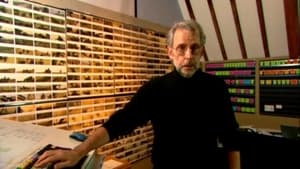
The Cutting Edge: The Magic of Movie Editing
Documentary about the art of film editing. Clips are shown from many groundbreaking films with innovative editing styles.
2004
Le Club : Claude Jade
2001
Salò: Fade to Black
A short documentary exploring the ongoing relevance and power of 'Salò o le 120 giornate di Sodoma'.
2001
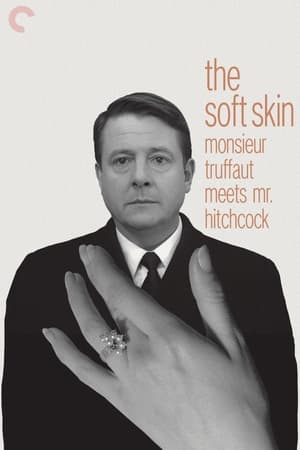
Monsieur Truffaut Meets Mr. Hitchcock
When Francois Truffaut approached Alfred Hitchcock in 1962 with the idea of having a long conversation with him about his work and publishing this in book form, he didn't imagine that more than four years would pass before Le Cinéma selon Hitchcock finally appeared in 1966. Not only in France but all over the world, Truffaut's Hitchcock interview developed over the years into a standard bible of film literature. In 1983, three years after Hitchcock's death, Truffaut decided to expand his by now legendary book to include a concluding chapter and have it published as the "Edition définitive". This film describes the genesis of the "Hitchbook" and throws light on the strange friendship between two completely different men. The centrepieces are the extracts from the original sound recordings of the interview with the voices of Alfred Hitchcock, Francois Truffaut, and Helen Scott – recordings which have never been heard in public before.
1999
Don't - Der Österreichfilm
Found footage sequences from various obscure campy Austrian films assembled together with a very dark disturbing soundtrack.
1996
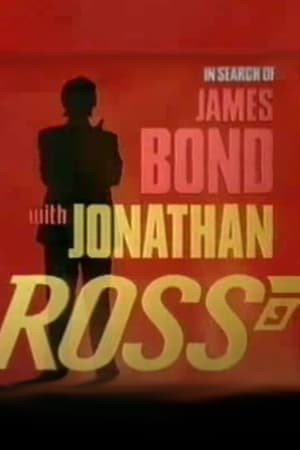
In Search of James Bond with Jonathan Ross
Jonathan Ross delves into the world of James Bond and meets with new and former cast members who reveal humorous stories and anecdotes in a series of interviews. All the 5 Bonds at the time are featured, though only Lazenby (reflecting in the usual frank, self criticizing manner), Moore and Brosnan granted an interview. Connery and Dalton are featured through some unused footage from LWT's 30 years of James Bond program. The ever faithful Desmond Llewelyn turns up in character as well as some other less related peeps like Christopher Lee, Paul McCartney and the ultimate playboy: Hugh Hefner -- who all give an interesting perspective on the worlds most famous spy.
1995
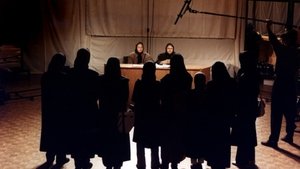
Salaam Cinema
Makhmalbaf puts an advertisement in the papers calling for an open casting for his next movie. However when hundreds of people show up, he decides to make a movie about the casting and the screen tests of the would-be actors.
1995
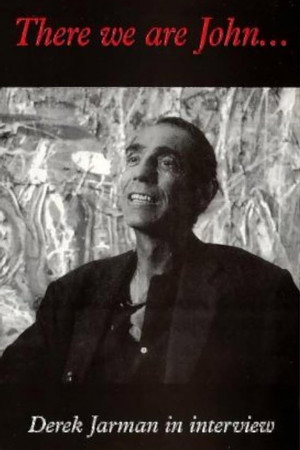
There We Are John...
In this revealing documentary, Ken McMullen creates an elegant portrait of artist and filmmaker Derek Jarman, based on an interview conducted by John Cartwright. The questions are unobtrusive, allowing Jarman to reflect on his major films. Despite the debilitating effects of serious illness, we see an artist with his inner vision unimpaired; still humorous, self effacing and disarmingly charming.
1993
The First Scientific Science-Fiction Film
A short documentary about Fritz Lang's film 'Frau im Mond', and its relation to the science and history of real space travel.
1993
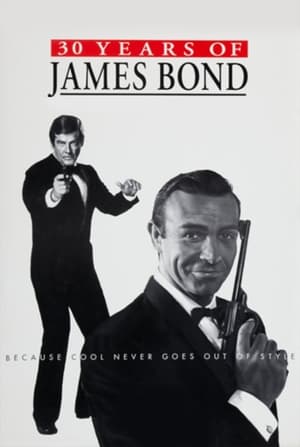
30 Years of James Bond
An examination of why the James Bond films have proved so popular including a discussion between the four actors who have played Bond, an interview with Cubby Broccoli and contributions from the directors, production designers, special effects and stuntmen.
1992
Vivement Truffaut
A tribute to the late, great French director Francois Truffaut, this documentary was undoubtedly named after his last movie, Vivement Dimanche!, released in 1983. Included in this overview of Truffaut's contribution to filmmaking are clips from 14 of his movies arranged according to the themes he favored. These include childhood, literature, the cinema itself, romance, marriage, and death.
1985
Thank You, Mr. Robertson
A glimpse of the pre-history of cinema starting with the projections of Etienne Gaspard Robert (also known as M. Robertson), who used magic lanterns and other optical illusions to develop the genre of the Gothic phantasmagoria in the late eighteenth century.
1985
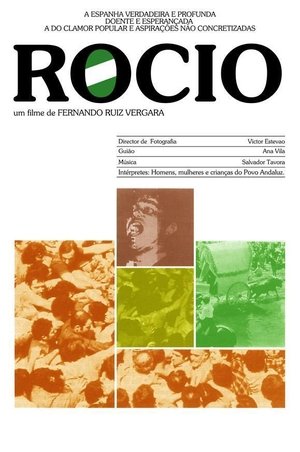
Rocío
The film shows the genesis of the El Rocío pilgrimage and unveils the economic, socio-political and religious reasons and interests that nurture the phenomenon.
1980
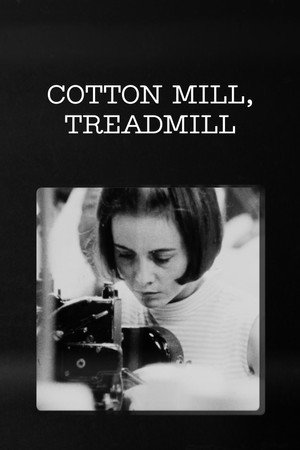
Cotton Mill, Treadmill
Director Denys Arcand made an inquiry on textile industry in Quebec, meeting employers and workers of that industry.
1970
The James Dean Story
Released two years after James Dean's death, this documentary chronicles his short life and career via black-and-white still photographs, interviews with the aunt and uncle who raised him, his paternal grandparents, a New York City cabdriver friend, the owner of his favorite Los Angeles restaurant, outtakes from East of Eden, footage of the opening night of Giant, and Dean's ironic PSA for safe driving.
1957
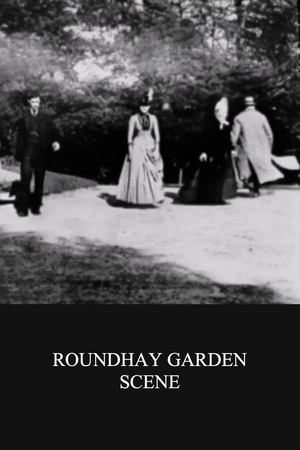
Roundhay Garden Scene
The earliest surviving motion-picture film, and believed to be one of the very first moving images ever created, was shot by Louis Aimé Augustin Le Prince using the LPCCP Type-1 MkII single-lens camera. It was taken on paper-based photographic film in the garden of Oakwood Grange, the Whitley family house in Roundhay, Leeds, West Riding of Yorkshire (UK), on 14 October 1888. The film shows Adolphe Le Prince (Le Prince’s son), Mrs. Sarah Whitley (Le Prince’s mother-in-law), Joseph Whitley, and Miss Harriet Hartley walking around in circles, laughing to themselves, and staying within the area framed by the camera. Roundhay Garden Scene is often associated with a recording speed of around 12 frames per second and runs for about 2 to 3 seconds.
1888