Watch The Un-Calculated Risk (1977) Online Free
Produced by the American Red Cross Shows the things that can go wrong when people with little experience or training set off in canoes, rafts, and kayaks. Shows the dangers of underwater obstacles, treacherous currents, icy water, flow-through hazards, and unpleasant surprises around the bend. Stresses the need for pre-experience instruction as the best means for preventing accidents. Blue Ribbon winner, American Film Festival.
Cast
Gary Perdue
More Like This

Gabon Uncharted
Tackling colossal waterfalls in Gabon, kayakers Adrian Mattern, Dane Jackson, Bren Orton and Kalob Grady's story of high-stakes adventure reveals the gritty reality behind the veneer of social media.
2026

Men of the Manosphere
James Blake joins three young men to explore why they're turned to the so-called manosphere to achieve success, and how it influences their real lives.
2025
Life in Tandem
After a member of the freestyle canoe community suffers a tragic loss, his fellow canoe enthusiasts work in tandem to help him through his emotional and physical trauma to recover and get back in his canoe.
2024
The Wintering Grounds
When the rivers freeze, world class freestyle kayakers find their way to a special spot on the Chattahoochee River. Squatting in an abandoned parking lot, they spend the winter training for the next world championships on North America’s best winter whitewater.
2022

A & E: When Patients Attack
Hospital staff are reporting more violence and anti-social behaviour than ever before. In 2015, 8 staff were assaulted every hour – a new record high. At The Queen Elizabeth Hospital in Birmingham – one of the UK’s biggest hospitals – they think they have the answer. Here a private security force of 46 uniformed guards, and a sophisticated CCTV system, keep staff and patients safe. A colourful mixture of characters ranging from ex-soldiers, to bouncers, to former elite sportsmen, it’s the security team’s job to keep the hospital running smoothly. With more than 2 million visitors they have to deal with all aspects of crime and anti-social behaviour. All against a back drop of life changing and life saving procedures.
2015
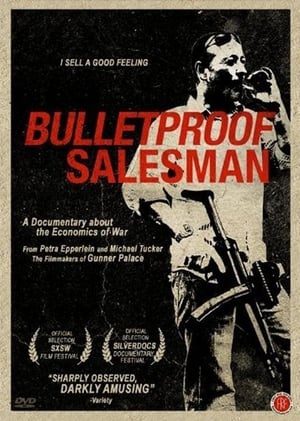
Bulletproof Salesman
Fidelis Cloer is a self-confessed war profiteer who found The Perfect War when the US invaded Iraq. It wasn't about selling a dozen cars, or even a hundred, it was a thousand-car war where security would become the ultimate product.
2008
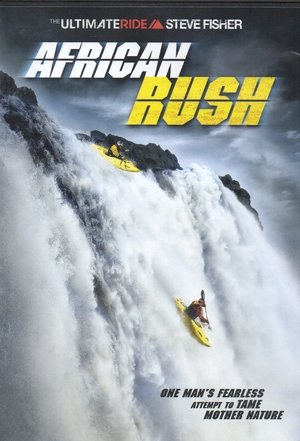
African Rush
Kayaking legend Steve Fisher rides the dangerous river rapids of Zembezi on a thrill ride that has claimed countless lives.
2008
The Lost Coast of Gabon: Sea Kayaking West Africa
Bordered by the Atlantic Ocean and stretching 40 miles into the jungled interior, we kayaked and portaged more than 200 miles around the park's perimeter, seeing this wild country from a new and different perspective. Along the way we encountered river-swimming elephants, manatees, tarpon, surfing hippos, gorillas and more. By trip's end it was hard to decide which were the most beautiful, and the most difficult, parts of the expedition, but it was eye opening, for us all.
2006
Never Be A Victim
POLICE OFFICER JIM BYRNE, Canada's most honoured Safety Education Specialist brings you his famous TEN RULES, with which he has personally tested more than 25,000 students. Learn key strategies now taught in many schools and used by police working with the full NEVER BE A VICTIM Institutional Study Program. Develop your own personal streetproofing skills so you can train and test your family. Robert Gordon, who created this remarkable program in partnership with Metropolitan Police introduces this family video library against a backdrop of today's troubled society. TEACHING LIFE SKILLS FOR A SAFER COMMUNITY OFFICER JIM'S TEN RULES FOR STREETPROOFING • STRANGER MYTHS • ABDUCTION • BEING FOLLOWED • DANGEROUS PLACES • AVOIDING CARS AND VANS • GOOD TOUCHING-BAD TOUCHING
1996

Alcohol, the Brain and Behavior
Discusses the effects of alcohol on the brain and behavior, particularly in relation to driving. It explains how alcohol impairs judgment, perception, coordination, and vital functions by affecting different brain regions. Factors influencing blood alcohol concentration (BAC) include the amount consumed, body size, sex, and the rate of consumption. The video also debunks myths about sobering up and emphasizes the importance of allowing time for alcohol to metabolize before driving. Even at BAC levels considered legally impaired, individuals may not recognize their diminished capabilities.
1979

Ambush - Tool of Terror
Discusses strategies for police officers to anticipate and respond to ambush situations. It highlights the importance of planning, training, and teamwork in counter-ambush tactics. The text emphasizes the need for officers to remain vigilant, vary their routines, and utilize effective communication to minimize risks during potential threats.
1976
The Gambler
This late 1940s/early 1950s rather graphic color film about carelessness and safety operating heavy machinery is presented by Caterpillar.
1950

The Story of Menstruation
A basic explanation of the purpose and process of menstruation, told largely with diagrams.
1946
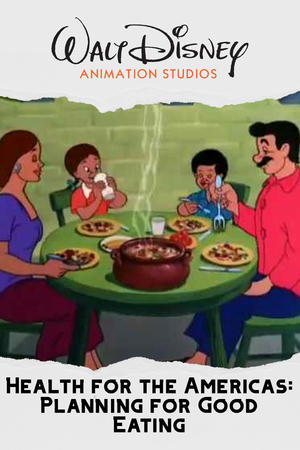
Health for the Americas: Planning for Good Eating
An educational short from Disney on the importance of good nutrition.
1946
Where Does It Get You?
The content emphasizes the importance of agility, stamina, and judgment in various aspects of life, including sports, academics, and everyday decision-making. It highlights the physiological effects of alcohol on the body and mind, explaining how it impairs judgment and coordination, which can lead to dangerous situations, especially when driving. The message advocates for self-discipline and moderation, urging individuals to make wise choices regarding alcohol consumption to maintain their physical and mental capabilities.
1946
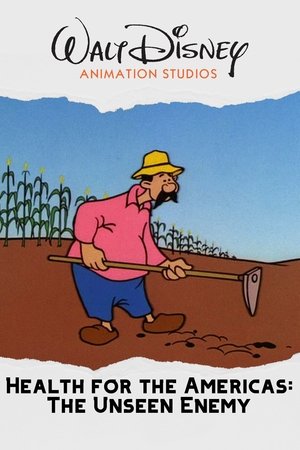
Health for the Americas: The Unseen Enemy
Disney animated educational film about staying safe from disease.
1945
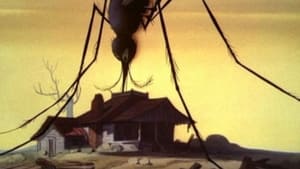
The Winged Scourge
The Seven Dwarfs fight malaria.
1943
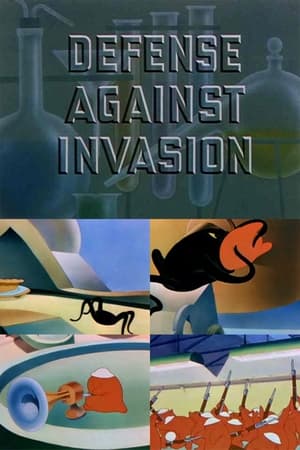
Defense Against Invasion
A doctor persuades a group of boys to be vaccinated by explaining how it will protect them against disease. Animated sequences depict the body metaphorically as a city, defended by the blood cells, which are stimulated by vaccination to amass arms and ammunition, in order to defend the city when it is invaded by germs.
1943

The Grain That Built a Hemisphere
This animated documentary outlines the history and importance of corn in North America.
1943

Out of the Frying Pan Into the Firing Line
Documentary short film demonstrating the process by which waste fats from the kitchens of American homes can be transformed into the raw materials for explosives for the war effort.
1942