Watch The Story of Menstruation (1946) Online Free
A basic explanation of the purpose and process of menstruation, told largely with diagrams.
Cast
Gloria Blondell
More Like This

Hey Duggee's Cinema Outing
Duggee, the large friendly dog, leads his after-school club members through a range of fun activities in this compilation of episodes from the gentle pre-school children's animated series.
2023

Genji Fantasy: The Cat Fell in Love With Hikaru Genji
The Tale of Genji Museum in Uji City, Kyoto will be airing a short film blending history and fantasy, the story follows a modern high school girl named Hana who is transformed into a cat and transported back in time. She travels 1,000 years ago to the Heian Era as portrayed in The Tale Of Genji, arguably the most famous novel in Japanese literature. Guided by the novel's titular character Hikaru Genji, Hana experiences firsthand the emotions that the author Murasaki Shikibu depicted in her novel. The short features scenes based on The Diary of Lady Murasaki and other historical materials, such as the real-life noble Fujiwara no Michinaga swiping early drafts of The Tale Of Genji because he could not wait to read chapters as Murasaki wrote them.
2019
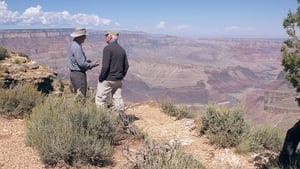
Is Genesis History?
A fascinating new look at the biblical, historical, and scientific evidence for Creation and the Flood. Learn from more than a dozen scientists and scholars as they explore the world around us in light of Genesis. Dr. Del Tackett, creator of The Truth Project, hikes through canyons, climbs up mountains, and dives below the sea in an exploration of two competing views... one compelling truth.
2017
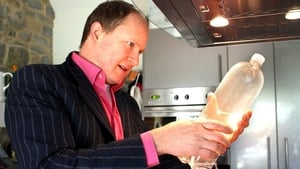
Cloudspotting
This 90-minute documentary brings to life Gavin Pretor-Pinney’s international bestseller, “The Cloudspotter’s Guide”, which draws on science, meteorology and mythology for a magical journey through the world of clouds. It is no dry treatise on the science of nephology but a playful trip through the varied beauty and distinctive personalities of the ten principal cloud types From the ethereal cirrus to the terrifying cumulonimbus, the film tells the story of the short but eventful life of clouds and their importance to our planet. Find out how immense quantities of water can stay up in the sky for so long and how lightning and thunder are created.
2010
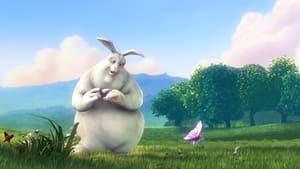
Big Buck Bunny
Follow a day of the life of Big Buck Bunny when he meets three bullying rodents: Frank, Rinky, and Gamera. The rodents amuse themselves by harassing helpless creatures by throwing fruits, nuts and rocks at them. After the deaths of two of Bunny's favorite butterflies, and an offensive attack on Bunny himself, Bunny sets aside his gentle nature and orchestrates a complex plan for revenge.
2008
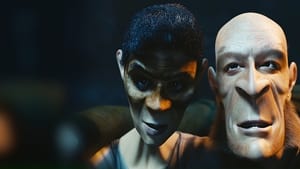
Elephants Dream
Elephants Dream is the story of two strange characters exploring a capricious and seemingly infinite machine. The elder, Proog, acts as a tour-guide and protector, happily showing off the sights and dangers of the machine to his initially curious but increasingly skeptical protege Emo. As their journey unfolds we discover signs that the machine is not all Proog thinks it is, and his guiding takes on a more desperate aspect. Elephants Dream is a story about communication and fiction, made purposefully open-ended as the world’s first 3D animated “Open movie”. The film itself is released under the Creative Commons license, along with the entirety of the production files used to make it (roughly 7 Gigabytes of data). The software used to make the movie is the free/open source animation suite Blender along with other open source software, thus allowing the movie to be remade, remixed and re-purposed with only a computer and the data on the DVD or download.
2006
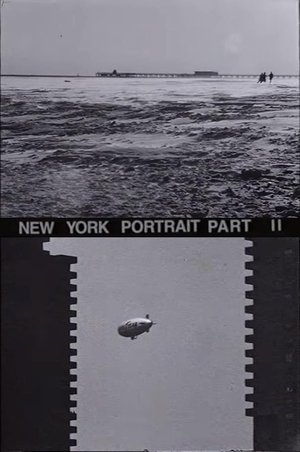
New York Portrait, Chapter II
Chapter Two represents a continuation of daily observations from the environment of Manhattan compiled over a period from 1980-1981. This is the second part of an extended life's portrait of New York.
1981

Emergency First Aid Series: Accidental Poisoning
Discusses the dangers of accidental poisoning, particularly in children, due to household substances like cleaners and medications. It emphasizes the importance of identifying the product involved in the poisoning, recognizing symptoms, and taking immediate action. Key steps include diluting the poison with milk or water, calling for medical assistance, and bringing the poison container to the hospital. The document also highlights the risks of drug misuse and inhalation of toxic fumes, urging quick responses to emergencies.
1980
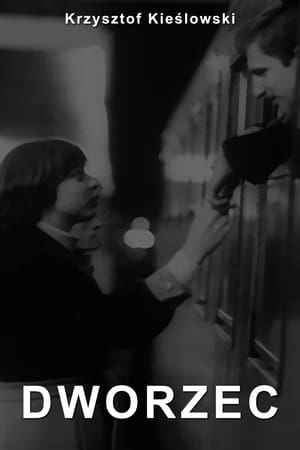
Railway Station
Warsaw's Central Railway Station. 'Someone has fallen asleep, someone's waiting for somebody else. Maybe they'll come, maybe they won't. The film is about people looking for something.
1980

Alcohol, the Brain and Behavior
Discusses the effects of alcohol on the brain and behavior, particularly in relation to driving. It explains how alcohol impairs judgment, perception, coordination, and vital functions by affecting different brain regions. Factors influencing blood alcohol concentration (BAC) include the amount consumed, body size, sex, and the rate of consumption. The video also debunks myths about sobering up and emphasizes the importance of allowing time for alcohol to metabolize before driving. Even at BAC levels considered legally impaired, individuals may not recognize their diminished capabilities.
1979
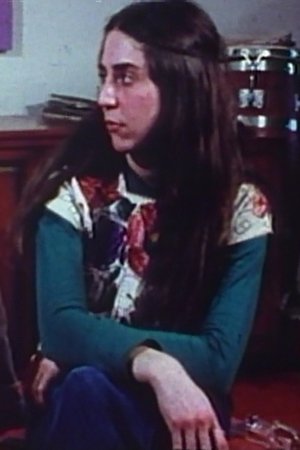
Healthcaring from Our End of the Speculum
Healthcaring is a short documentary that focuses on the historical and contemporary abuses women have suffered at the hands of mostly male practitioners, and depicts solutions women find to lack of access to comprehensive health care in the 1970s.
1976
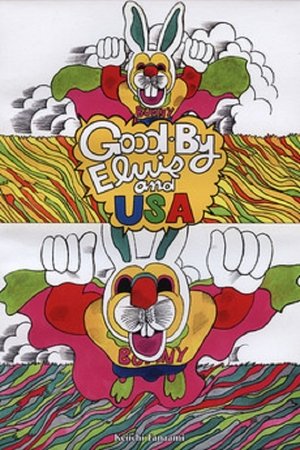
GOOD-BY ELVIS and USA
A trippy pop-art collage of phallic objects, naked women and American icons, most notably Elvis Presley.
1971
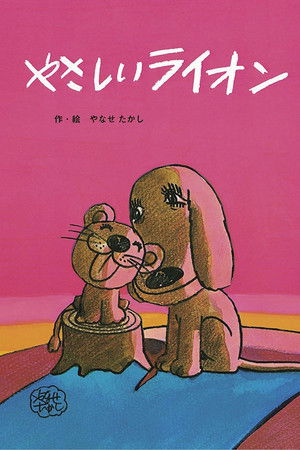
The Kindly Lion
This is an animated version of Yanase Takashi's picture book featuring the friendship between a mother dog, Muku-muku, who lost her puppy, and the baby lion Buru-buru, who lost her mother.
1970
Anthropo-Cynical Farce
Dog racing is used as a metaphor for the futility of human existence.
1970
Clouds
Clouds 1969 by the British filmmaker Peter Gidal is a film comprised of ten minutes of looped footage of the sky, shot with a handheld camera using a zoom to achieve close-up images. Aside from the amorphous shapes of the clouds, the only forms to appear in the film are an aeroplane flying overhead and the side of a building, and these only as fleeting glimpses. The formless image of the sky and the repetition of the footage on a loop prevent any clear narrative development within the film. The minimal soundtrack consists of a sustained oscillating sine wave, consistently audible throughout the film without progression or climax. The work is shown as a projection and was not produced in an edition. The subject of the film can be said to be the material qualities of film itself: the grain, the light, the shadow and inconsistencies in the print.
1969
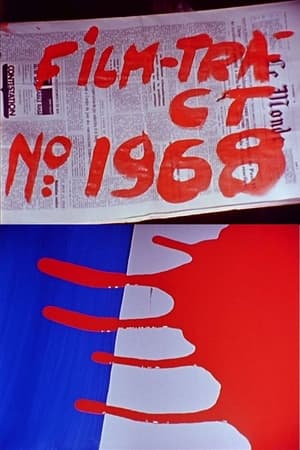
Film-Tract n° 1968
In the 1968 movement in Paris, Jean-Luc Godard made a 16mm, 3-minute long film, Film-tract No.1968, Le Rouge, in collaboration with French artist Gérard Fromanger. Starting with the shot identifying its title written in red paint on the Le Monde for 31 July 1968, the film shows the process of making Fromanger’s poster image, which is thick red paint flows over a tri-color French flag. —Hye Young Min
1968
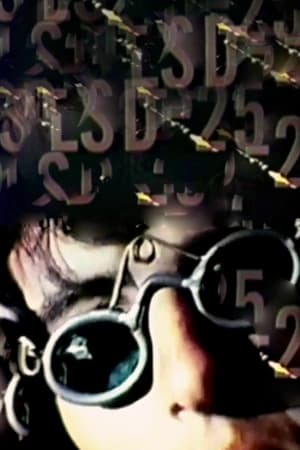
LSD-25
The dangers of LSD are driven home to teenagers in this classroom training film, which is "narrated" by an LSD tab. The "tab" tells kids that he is "a depth charge in the mind!" and various teenagers are shwn babbling about their LSD experiences. "Experts" are presented who warn that LSD makes kids "paint themselves green" and has various other horrible side effects, the most serious of which is that it gives users a police record, and that there is "no known way of getting your fingerprints out of a police file once they're in there."
1967

Conversation on a Train
A Czech public information film, sponsored by the Ministry of Health, on the perils of alcohol and STDs.
1947
Where Does It Get You?
The content emphasizes the importance of agility, stamina, and judgment in various aspects of life, including sports, academics, and everyday decision-making. It highlights the physiological effects of alcohol on the body and mind, explaining how it impairs judgment and coordination, which can lead to dangerous situations, especially when driving. The message advocates for self-discipline and moderation, urging individuals to make wise choices regarding alcohol consumption to maintain their physical and mental capabilities.
1946
We Live in Prague
A 13-minute documentary film depicting life in Prague.
1934