Watch Splink (1976) Online Free
Jon Pertwee (the third Doctor Who) stars in one of the most (in)famous Central Office of Information films, using the mnemonic 'SPLINK' to educate kids in the correct way to cross the road.
Cast
Jon Pertwee
More Like This

PSA: FBLA
Two young lads finely dressed, are promoting Future Business Leaders of America. Giggles, tears, and enjoyment awaits.
2024

The Missing Piece
They were 27 and 35 years old. They were both killed in the same spot, within the same month. The same botched work killed them. Eighteen people are called to provide an answer to a simple question: Why don't we do what we should? The answer might lie in the missing piece - the unknown story of the pothole, a trademark of Greek roads infrastructure.
2024
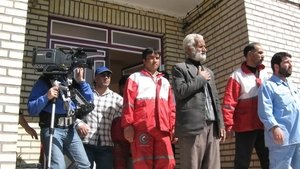
For My Son
The most far spot of Iran desert. 'Habib o-llah Qolami', a poor and old farmer looses his young son in a car accident. Habib after his son's death takes a big decision. He spends all his has for making a medical help station in the road and gifts it to Red Crescent. From now no one dies of car accident.
2008

North American House Hippo
The house hippo is a fictitious species of hippopotamus, and the subject of a Canadian television public service announcement produced by Concerned Children's Advertisers.
1999

Check Fraud: Paper and Persuasion
Presents a check-passer describing the tricks of his trade. Explains how a conscientious check-out clerk can easily trip him up.
1980

Alcohol, the Brain and Behavior
Discusses the effects of alcohol on the brain and behavior, particularly in relation to driving. It explains how alcohol impairs judgment, perception, coordination, and vital functions by affecting different brain regions. Factors influencing blood alcohol concentration (BAC) include the amount consumed, body size, sex, and the rate of consumption. The video also debunks myths about sobering up and emphasizes the importance of allowing time for alcohol to metabolize before driving. Even at BAC levels considered legally impaired, individuals may not recognize their diminished capabilities.
1979
Verständigung durch Zeichen
How can children communicate with other road users as pedestrians and cyclists? A pantomime also explains sign language.
1978
Safe In Recreation
The film emphasizes the importance of safety during recreational activities, both at home and in nature. It shares various scenarios involving children using power tools, chemicals, and playground equipment, highlighting risks such as improper use of electric cords, unsafe play habits, and the dangers of firearms. The film also provides safety tips for outdoor activities like hiking and camping, stressing the need for caution around potentially hazardous elements like poisonous plants and proper gun handling. The overarching message is to always prioritize safety to prevent accidents while enjoying recreation.
1974

Hassles and Hangups
Emphasizes positive attitudes and constructive solutions to help individuals deal with problems related to sex, drugs, self-image and interpersonal relationships.
1973
The Curious Habits of Man
A 1972 educational film by Dan Gibson Productions, aims to guide young viewers in recognizing the temptations and risks associated with alcohol and excessive drinking through the lens of a nature documentary. Through a series of cautionary scenarios and reflections, it sheds light on the societal lure of alcohol and its potential consequences. This film serves as both a warning and a primer on self-awareness around drinking habits, connecting with an era increasingly concerned with youth education on substance use.
1972
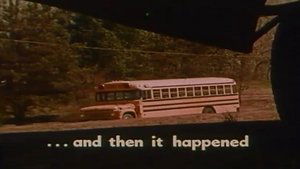
...And Then It Happened
The film "And Then It Happened" follows two school bus drivers known for their safety records. During routine rides, a series of distractions and misbehaviors from the students lead to a disastrous accident, injuring several classmates. The narrative explores the challenges of managing rowdy children on a bus and the consequences of their actions, highlighting the importance of safety and the hidden struggles of the students.
1972
Door to Door Salesman
Ever had a good experience with doorstep salespeople? Maybe you were lucky, but the doorstep has never seemed the best place for a sensible sales decision – which is exactly why companies use it.
1961
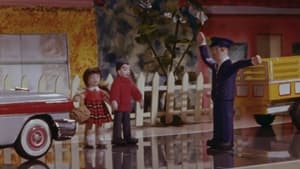
David And Jennifer Learn Their Kerb Drill
A road safety lesson using puppets and animation kindergarten age children.
1960
How to Drive on Snow and Ice
Sponsored by Seiberling Rubber Company, this public service film demonstrates the important points of winter driving. Shows how to start on slippery roads, what to do when stuck, how to manipulate a skidding car and the distances it takes to stop on icy roads.
1957
Women in Industry
The Ministry of Labour exhorts women to return to industry – the post-war production drive depends on them.
1948

It Happened Today
From feckless mothers pushing their prams across roads without looking, to a Dick Dastardly character in his sports car, we see the dangers of road accidents brought to life by the West Riding Constabulary just after the war in 1947, when drivers still used hand signals.
1947

It Might Be You
A doctor talks about the number of injuries and deaths resulting from automobile accidents.
1946
Where Does It Get You?
The content emphasizes the importance of agility, stamina, and judgment in various aspects of life, including sports, academics, and everyday decision-making. It highlights the physiological effects of alcohol on the body and mind, explaining how it impairs judgment and coordination, which can lead to dangerous situations, especially when driving. The message advocates for self-discipline and moderation, urging individuals to make wise choices regarding alcohol consumption to maintain their physical and mental capabilities.
1946
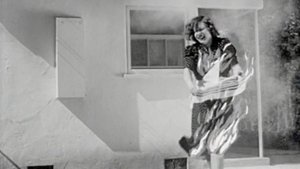
More Dangerous Than Dynamite
A short film warning the unaware housewife of the dangers of “dry cleaning” with gasoline at home.
1941

Dr. Wise on Influenza
A hard-hitting public information film made at the height of the Great Influenza 1918-18.
1919