Watch Dr. Wise on Influenza (1919) Online Free
A hard-hitting public information film made at the height of the Great Influenza 1918-18.
More Like This

Men of the Manosphere
James Blake joins three young men to explore why they're turned to the so-called manosphere to achieve success, and how it influences their real lives.
2025
Now That the Sun Begins to Set
Rafaela, an 80-year-old woman, has a long conversation with her grandson, going over his path from childhood to old age. Now that she has been diagnosed with chronic breast cancer, faith is more present in her life than ever, which coexists with Rafaela's fear of death, and her grandson's fear of dying.
2022

Ranh Giới
This critically acclaimed Vietnamese documentary portrays the claustrophobic struggles against COVID-19, led by a group of doctors and nurses, in an effort to save the lives of COVID infected pregnant women. Produced by national news channel VTV, "Ranh Giới", meaning "borderline", refers to the line between life and death.
2021

CORONA.FILM - Prologue
As the first part of our investigation, the CORONA.FILM prologue will delve into the science behind the pandemic. Starting at the very beginning, we shine a light on the responses. The aim is not to point the finger; our aim is to tell the whole story in all its complexity, as we believe that justice cannot prevail if only one side of the story is told.
2021
Never Be A Victim
POLICE OFFICER JIM BYRNE, Canada's most honoured Safety Education Specialist brings you his famous TEN RULES, with which he has personally tested more than 25,000 students. Learn key strategies now taught in many schools and used by police working with the full NEVER BE A VICTIM Institutional Study Program. Develop your own personal streetproofing skills so you can train and test your family. Robert Gordon, who created this remarkable program in partnership with Metropolitan Police introduces this family video library against a backdrop of today's troubled society. TEACHING LIFE SKILLS FOR A SAFER COMMUNITY OFFICER JIM'S TEN RULES FOR STREETPROOFING • STRANGER MYTHS • ABDUCTION • BEING FOLLOWED • DANGEROUS PLACES • AVOIDING CARS AND VANS • GOOD TOUCHING-BAD TOUCHING
1996
Cults: Saying No Under Pressure
Describes how to resist the deception and pressure used to recruit members into cults and keep them there. It also provides advice on how to resist these tactics. The video is designed for young people, parents, educators, counselors, clergy, law enforcement officials, and others.
1991
Animación en la sala de espera
1981

Alcohol, the Brain and Behavior
Discusses the effects of alcohol on the brain and behavior, particularly in relation to driving. It explains how alcohol impairs judgment, perception, coordination, and vital functions by affecting different brain regions. Factors influencing blood alcohol concentration (BAC) include the amount consumed, body size, sex, and the rate of consumption. The video also debunks myths about sobering up and emphasizes the importance of allowing time for alcohol to metabolize before driving. Even at BAC levels considered legally impaired, individuals may not recognize their diminished capabilities.
1979
...And Then It Happened
The film "And Then It Happened" follows two school bus drivers known for their safety records. During routine rides, a series of distractions and misbehaviors from the students lead to a disastrous accident, injuring several classmates. The narrative explores the challenges of managing rowdy children on a bus and the consequences of their actions, highlighting the importance of safety and the hidden struggles of the students.
1972
The Curious Habits of Man
A 1972 educational film by Dan Gibson Productions, aims to guide young viewers in recognizing the temptations and risks associated with alcohol and excessive drinking through the lens of a nature documentary. Through a series of cautionary scenarios and reflections, it sheds light on the societal lure of alcohol and its potential consequences. This film serves as both a warning and a primer on self-awareness around drinking habits, connecting with an era increasingly concerned with youth education on substance use.
1972
The Story of Menstruation
A basic explanation of the purpose and process of menstruation, told largely with diagrams.
1946
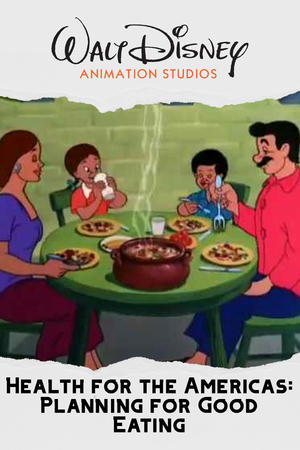
Health for the Americas: Planning for Good Eating
An educational short from Disney on the importance of good nutrition.
1946
Where Does It Get You?
The content emphasizes the importance of agility, stamina, and judgment in various aspects of life, including sports, academics, and everyday decision-making. It highlights the physiological effects of alcohol on the body and mind, explaining how it impairs judgment and coordination, which can lead to dangerous situations, especially when driving. The message advocates for self-discipline and moderation, urging individuals to make wise choices regarding alcohol consumption to maintain their physical and mental capabilities.
1946
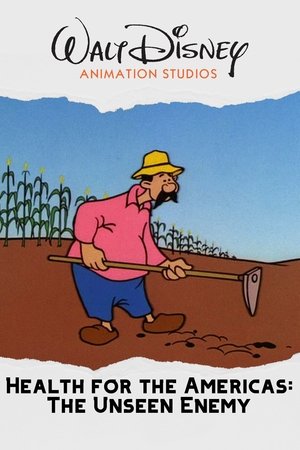
Health for the Americas: The Unseen Enemy
Disney animated educational film about staying safe from disease.
1945
The Winged Scourge
The Seven Dwarfs fight malaria.
1943
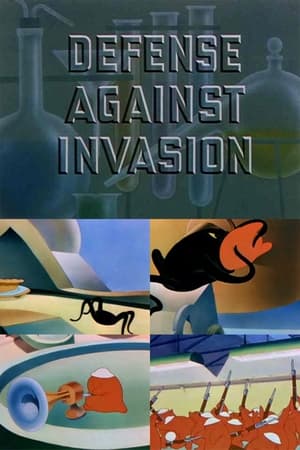
Defense Against Invasion
A doctor persuades a group of boys to be vaccinated by explaining how it will protect them against disease. Animated sequences depict the body metaphorically as a city, defended by the blood cells, which are stimulated by vaccination to amass arms and ammunition, in order to defend the city when it is invaded by germs.
1943

The Grain That Built a Hemisphere
This animated documentary outlines the history and importance of corn in North America.
1943

Out of the Frying Pan Into the Firing Line
Documentary short film demonstrating the process by which waste fats from the kitchens of American homes can be transformed into the raw materials for explosives for the war effort.
1942
More Dangerous Than Dynamite
A short film warning the unaware housewife of the dangers of “dry cleaning” with gasoline at home.
1941
Aikamme amatsooneja
Women's civil defense activities, especially in case of gas attacks.
1939