Watch ...And Then It Happened (1972) Online Free
The film "And Then It Happened" follows two school bus drivers known for their safety records. During routine rides, a series of distractions and misbehaviors from the students lead to a disastrous accident, injuring several classmates. The narrative explores the challenges of managing rowdy children on a bus and the consequences of their actions, highlighting the importance of safety and the hidden struggles of the students.
Cast
Josh Mostel, Peggy Pope, Richard Fonda
More Like This

Men of the Manosphere
James Blake joins three young men to explore why they're turned to the so-called manosphere to achieve success, and how it influences their real lives.
2025

Próxima Parada
Experimental documentary that poetically exposes the reality of public transport in the city of Curitiba.
2024

Hotel 22
Each night in Silicon Valley, the Line 22 transforms from a public city bus into an unofficial shelter for the homeless in one of the richest parts of the world.
2014

Dig!
A documentary on the once promising American rock bands The Brian Jonestown Massacre and The Dandy Warhols. The friendship between respective founders, Anton Newcombe and Courtney Taylor, escalated into bitter rivalry as the Dandy Warhols garnered major international success while the Brian Jonestown Massacre imploded in a haze of drugs.
2004

North American House Hippo
The house hippo is a fictitious species of hippopotamus, and the subject of a Canadian television public service announcement produced by Concerned Children's Advertisers.
1999

Never Be A Victim
POLICE OFFICER JIM BYRNE, Canada's most honoured Safety Education Specialist brings you his famous TEN RULES, with which he has personally tested more than 25,000 students. Learn key strategies now taught in many schools and used by police working with the full NEVER BE A VICTIM Institutional Study Program. Develop your own personal streetproofing skills so you can train and test your family. Robert Gordon, who created this remarkable program in partnership with Metropolitan Police introduces this family video library against a backdrop of today's troubled society. TEACHING LIFE SKILLS FOR A SAFER COMMUNITY OFFICER JIM'S TEN RULES FOR STREETPROOFING • STRANGER MYTHS • ABDUCTION • BEING FOLLOWED • DANGEROUS PLACES • AVOIDING CARS AND VANS • GOOD TOUCHING-BAD TOUCHING
1996

Emergency First Aid Series: Accidental Poisoning
Discusses the dangers of accidental poisoning, particularly in children, due to household substances like cleaners and medications. It emphasizes the importance of identifying the product involved in the poisoning, recognizing symptoms, and taking immediate action. Key steps include diluting the poison with milk or water, calling for medical assistance, and bringing the poison container to the hospital. The document also highlights the risks of drug misuse and inhalation of toxic fumes, urging quick responses to emergencies.
1980

Alcohol, the Brain and Behavior
Discusses the effects of alcohol on the brain and behavior, particularly in relation to driving. It explains how alcohol impairs judgment, perception, coordination, and vital functions by affecting different brain regions. Factors influencing blood alcohol concentration (BAC) include the amount consumed, body size, sex, and the rate of consumption. The video also debunks myths about sobering up and emphasizes the importance of allowing time for alcohol to metabolize before driving. Even at BAC levels considered legally impaired, individuals may not recognize their diminished capabilities.
1979

Death Zones
Presents three case histories which illustrate how children were accidentally killed or injured by the schoolbus from which they had disembarked.
1975
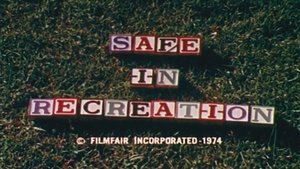
Safe In Recreation
The film emphasizes the importance of safety during recreational activities, both at home and in nature. It shares various scenarios involving children using power tools, chemicals, and playground equipment, highlighting risks such as improper use of electric cords, unsafe play habits, and the dangers of firearms. The film also provides safety tips for outdoor activities like hiking and camping, stressing the need for caution around potentially hazardous elements like poisonous plants and proper gun handling. The overarching message is to always prioritize safety to prevent accidents while enjoying recreation.
1974

Hassles and Hangups
Emphasizes positive attitudes and constructive solutions to help individuals deal with problems related to sex, drugs, self-image and interpersonal relationships.
1973

The Curious Habits of Man
A 1972 educational film by Dan Gibson Productions, aims to guide young viewers in recognizing the temptations and risks associated with alcohol and excessive drinking through the lens of a nature documentary. Through a series of cautionary scenarios and reflections, it sheds light on the societal lure of alcohol and its potential consequences. This film serves as both a warning and a primer on self-awareness around drinking habits, connecting with an era increasingly concerned with youth education on substance use.
1972

Never Go with Strangers
Never Go With Strangers was intended for children aged between seven and ten and its purpose was ‘to warn them of the dangers of accepting lifts or presents from strangers’. Due to potential distress government officials instructed that the film only be shown under ‘responsible adult supervision’, thus denying it a TV airing for many years.
1971
Odyssey of a Dropout
Scott, a high school dropout, has no diploma, no job, no future and finally no girl. He is faced with the decision of continuing his education or continuing a life without hope or meaning.
1966
Safety After School
Shows the safety hazards three boys encounter when they leave school. Pictures how they learn proper safety procedures to cope with several situations.
1966
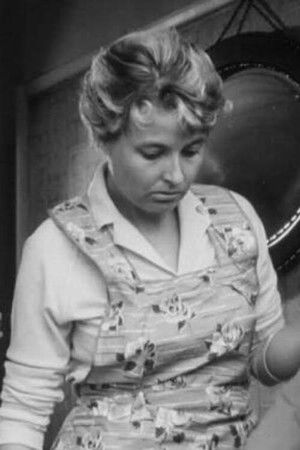
Door to Door Salesman
Ever had a good experience with doorstep salespeople? Maybe you were lucky, but the doorstep has never seemed the best place for a sensible sales decision – which is exactly why companies use it.
1961
Women in Industry
The Ministry of Labour exhorts women to return to industry – the post-war production drive depends on them.
1948
Playing with Fire
You're asking for trouble when you play with fire - and this public information film is the stuff of nightmares.
1947
Where Does It Get You?
The content emphasizes the importance of agility, stamina, and judgment in various aspects of life, including sports, academics, and everyday decision-making. It highlights the physiological effects of alcohol on the body and mind, explaining how it impairs judgment and coordination, which can lead to dangerous situations, especially when driving. The message advocates for self-discipline and moderation, urging individuals to make wise choices regarding alcohol consumption to maintain their physical and mental capabilities.
1946
More Dangerous Than Dynamite
A short film warning the unaware housewife of the dangers of “dry cleaning” with gasoline at home.
1941