Watch Schabowskis Zettel - Die Nacht, als die Mauer fiel (2009) Online Free
Loading Cinehub...
No overview available.
Cast
Karsten Bähn, Richard Bratfisch, Rita Bratfisch, Peter Brinkmann, Tom Brokaw, Peter Helbig
More Like This
Sylt - Wellen, Wind und Watt
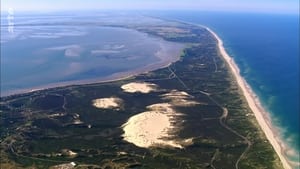
Endless beaches, dunes, heath and the Wadden Sea characterize the landscape of Sylt. Germany's largest North Sea island is also a paradise for numerous animal and plant species. Around half of its area is under landscape or nature protection. In spring and autumn, thousands of migratory birds stop here on their way between Siberia and East Africa. Sheep graze on the dike meadows, female seals give birth to their young off Sylt. And the Sylt Wadden Sea is one of the last large wilderness areas in Europe. But in winter storms hit the island. If the “Blanke Hans”, as the storm on Sylt is called, causes the North Sea to rage, it hits the island with tremendous force. Only a few places on the German North Sea coast are as exposed to the force of the sea as the west coast of Sylt. The documentary shows Sylt's nature in fascinating images. People who are particularly connected to the island and its nature are accompanied in their everyday lives.
2023
The Unpredictable Factor
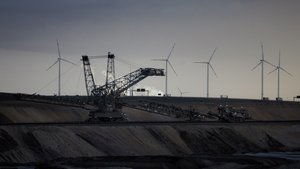
In today's climate debate, there is only one factor that cannot be calculated in climate models - humans. How can we nevertheless understand our role in the climate system and manage the crisis? Climate change is a complex global problem. Increasingly extreme weather events, rising sea levels, and more difficult living conditions - including for us humans - are already the order of the day. Global society has never faced such a complex challenge. For young people in particular, the frightening climate scenarios will be a reality in the future. For the global south, it is already today. To overcome this crisis, different perspectives are needed. "THE UNPREDICTABLE FACTOR" goes back to the origins of the German environmental movement, accompanies today's activists in the Rhineland in their fight against the coal industry and gives a voice to scientists from climate research, ethnology and psychology.
2022
AN OCEAN
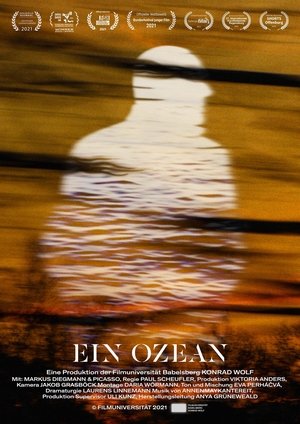
The trembling starts in his neck when Markus gets closer to the images that have chased him for 49 years. Now he steers his motor home south, as far away from his past as possible.
2021
Blood Money: Inside the Nazi Economy
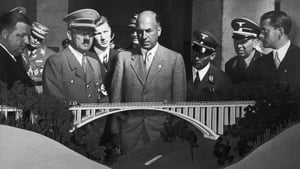
How did Nazi Germany, from limited natural resources, mass unemployment, little money and a damaged industry, manage to unfurl the cataclysm of World War Two and come to occupy a large part of the European continent? Based on recent historical works of and interviews with Adam Tooze, Richard Overy, Frank Bajohr and Marie-Bénédicte Vincent, and drawing on rare archival material.
2021

Malcolm in the Middle 2020 Zoom Reunion
A documentary where the cast meet 20 years after the series started (filmed at the peak covid-19 outbreak) they do a readthrough of the first episode
2020
Status and Terrain
Exploring the mechanisms of the Nazi seizure of power and focusing on forgotten sites in Saxony and Thuringia, the film investigates early "wild" concentration camps established after 1933 for the suppression of political opponents.
2019
Die Welt der Reichsbürger - Träumer, Aussteiger, Extremisten
An increasing number of people in Germany no longer want anything to do with their state. A mixture of idiosyncrats and anti-system activists are turning their backs on the Federal Republic. How did the "Reichsbürger" movement become radical? What are their motives? What emerges is a European community of anarchists, businessmen, esotericists and adventurers - between a self-declared fight for freedom and obstinacy.
2017
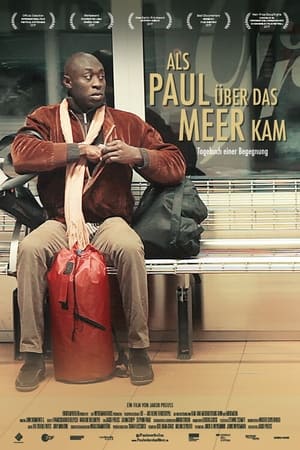
When Paul Came Over The Sea
An unusual friendship in an agitated political context.
2017

Großes Kino made in DDR
In 2016, DEFA celebrates its 70th anniversary: the film embarks on a journey into the exciting film history of the GDR. In a comprehensive kaleidoscope, the importance of DEFA productions is illuminated, the relevance of the films as propaganda productions for the GDR, which socio-political themes were in the foreground, but also which heroes DEFA brought to the screen and celebrated as people from the people.
2016
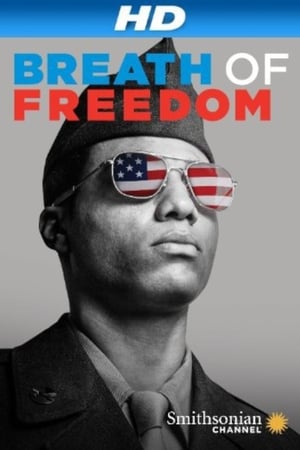
Breath of Freedom
In World War II. African-American GIs liberate Germany from Nazi rule while racism prevailed in their own army and home country. Returning home they continue fighting for their own rights in the civil rights movement.
2014
Ich will da sein - Jenny Gröllmann
The film accompanies Jenny Gröllmann, a German actress, during the last two years of her life.
2008
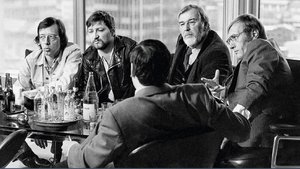
Counter Shot: Departure of the Filmmakers
Documentary about filmmakers of the New German Cinema who were members of the legendary Filmverlag für Autoren (Film Publishing House for Authors). Among them are Werner Herzog, Rainer Werner Fassbinder, and Wim Wenders.
2008
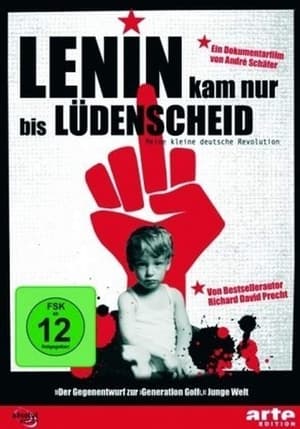
Lenin kam nur bis Lüdenscheid - Meine kleine deutsche Revolution
The free, almost naive view from the perspective of a child puts the "68ers" in a new, illuminating light in the anniversary year 2008. The film is a provocative reckoning with the ideological upbringing that seemed so progressive and yet was suffocated by the children's desire to finally grow up. With an ironic eye and a feuilletonistic style, author Richard David Precht and Cologne documentary film director André Schäfer trace a childhood in the West German provinces - and place the major events of those years in completely different, smaller and very private contexts.
2008
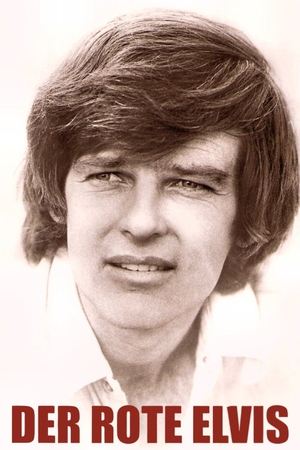
The Red Elvis
A documentary on the late American entertainer Dean Reed, who became a huge star in East Germany after settling there in 1973.
2007
Germany: A Summer's Fairytale
A documentary of the German national soccer team’s 2006 World Cup experience that changed the face of modern Germany.
2006
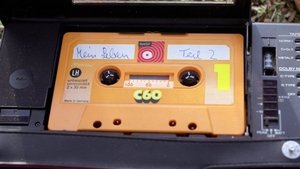
My Life Part 2
By means of objects, photos, tapes and films, director Angelika Levi, half-German, half-Jewish, examines the story of her family. The film deals with trauma and the way history is produced, filed away, turned into discourse and ordered on macro and micro levels.
2003
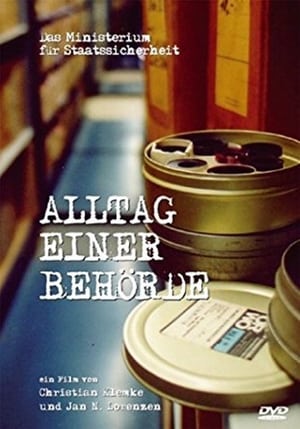
The Ministry for State Security - Everyday life at a public authority
Former heads, senior officers and the rector of the MfS law school explain how the ministry functioned. The interviewees see themselves as legitimate actors with a clear mandate and political enemy image. They provide an insight into the techniques and routines of secret service work, psychological tricks during interrogations and the management of “unofficial collaborators”. What they all have in common is that they are not aware of any moral guilt. The directors contrast their footage of prisons and archives with the statements of former Stasi employees in an attempt to expose their evasions and efforts at suppression.
2002
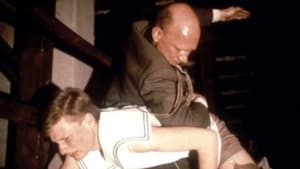
I Am My Own Woman
The life story of Charlotte von Mahlsdorf, who survived the Nazi reign as a trans woman and helped start the German gay liberation movement. Documentary with some dramatized scenes. Two actors play the young and middle aged Charlotte and she plays herself in the later years.
1992
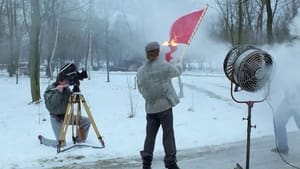
Germany in Autumn
Nine fictitious documentaries and films reflect the mood of late 1970s Germany, particularly the two-month period in 1977 when a businessman was kidnapped by the RAF (Red Army Faction). The kidnap had been made to orchestrate the release of the original leaders of the RAF, aka the Baader-Meinhof.
1978
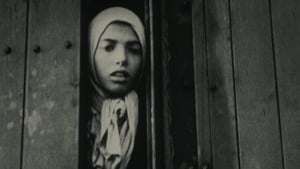
Night and Fog
Filmmaker Alain Resnais documents the atrocities behind the walls of Hitler's concentration camps.
1956