Watch Milian Unleashed (2005) Online Free
An interview of Tomás Milián discussing his performance in Umberto Lenzi's Almost Human.
Cast
Tomas Milian
More Like This

FUNNY little STORIES
Damiano David's short film for the presentation of his first somo album: Funny Little Fears. He speaks and sings about his fears.
2025
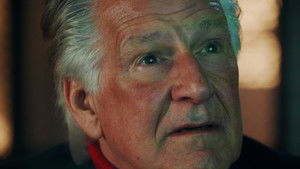
Georgie
An ex mobster reflects on love and loss after spending 32 years in prison.
2024
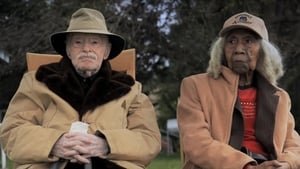
Edith+Eddie
Edith and Eddie, ages 96 and 95, are America's oldest interracial newlyweds. Their unusual and idyllic love story is threatened by a family feud that triggers a devastating abuse of the legal guardianship system.
2017
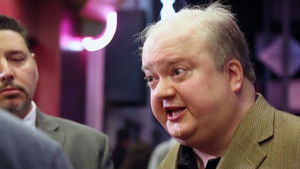
The Tickle King
Featuring new, previously unseen footage documenting the bizarre and unsettling things that happened to filmmakers David Farrier and Dylan Reeve as Tickled premiered at film festivals and theaters in 2016. Lawsuits, private investigators, disrupted screenings and surprise appearances are just part of what they encounter along the way. Amidst new threats, the duo begins to answer questions that remained once the credits rolled on Tickled, including whether the disturbing behavior they uncovered will ever come to an end.
2017
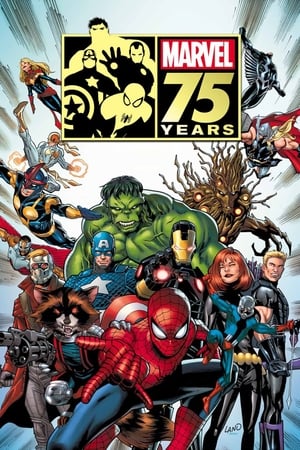
The Marvel Universe Expands: Marvel 75th Anniversary
A documentary about some of Marvel's most famous characters.
2014
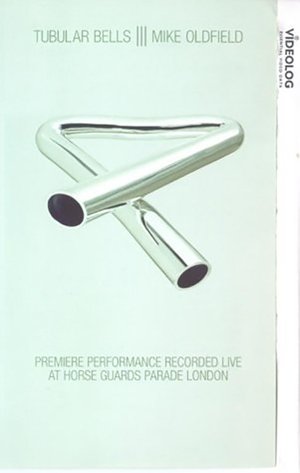
Tubular Bells: The Mike Oldfield Story
Documentary about the musician Mike Oldfield, whose 1973 album Tubular Bells launched the Virgin record label and became the biggest selling instrumental album of all time.
2013
The Key Issue
A mockumentary about four people and their idiosyncratic ways of saving the planet.
2011
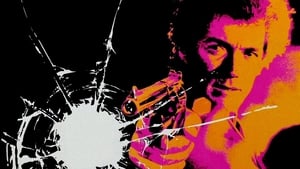
The Long Shadow of Dirty Harry
An in-depth look at Dirty Harry (1971), featuring interviews with such film artists as Michael Madsen, 'Hal Holbrook', John Milius, 'Shane Black' and John Badham.
2008
Le Club : Claude Jade
2001
Chinese Stories
The history of Chinese migration to Mexico, from its birth at the start of the twentieth century, through the Mexican revolution, the anti-Chinese movement, and up to the current state of Chinese migrants in the country. A documentary about xenophobia in Mexico and the search for identity of a group of people caught between two cultures.
1999
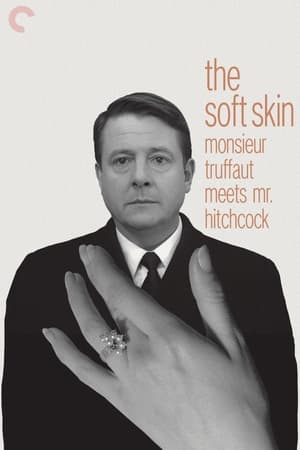
Monsieur Truffaut Meets Mr. Hitchcock
When Francois Truffaut approached Alfred Hitchcock in 1962 with the idea of having a long conversation with him about his work and publishing this in book form, he didn't imagine that more than four years would pass before Le Cinéma selon Hitchcock finally appeared in 1966. Not only in France but all over the world, Truffaut's Hitchcock interview developed over the years into a standard bible of film literature. In 1983, three years after Hitchcock's death, Truffaut decided to expand his by now legendary book to include a concluding chapter and have it published as the "Edition définitive". This film describes the genesis of the "Hitchbook" and throws light on the strange friendship between two completely different men. The centrepieces are the extracts from the original sound recordings of the interview with the voices of Alfred Hitchcock, Francois Truffaut, and Helen Scott – recordings which have never been heard in public before.
1999
Jayuk
A 20-minute documentary film about the Kyrgyz people living by the Narym River.
1998
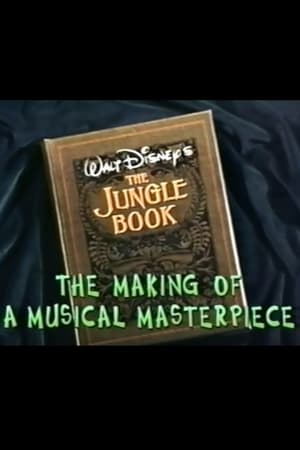
Walt Disney's 'The Jungle Book': The Making of a Musical Masterpiece
Documentary about the making of Disney's animated musical adaptation of Kipling's classic.
1997
The Devil's Bridge
Life in a Kyrgyz aul (village) in the mountains connected to the rest of the world by a cable bridge, and the teenage boys who are constructing the rope of the bridge. A rope bridge which the locals call “The devil’s bridge” forms part of each and every event which takes place in a small village lost in the mountains of the Kyrgyz Republic. A platform driven by a huge winch which they have to pull with their own strength to cross the torrent is their only link with the outside world. But the director of the documentary wondered something else: “Does this bridge unite or does it actually separate?” Through the mist and over the thrashing waters, the inhabitants of the area glide along their ropes. A film, in the director’s own words, about ordinary people who live in an extraordinary place.
1997
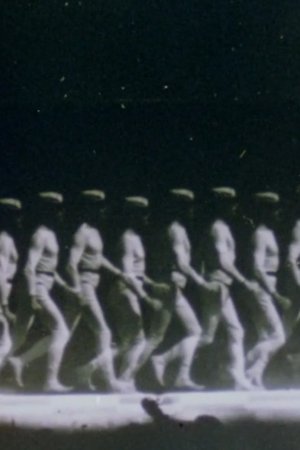
The Memory of the Eye E.J. Marey
The 11th short film as part of the Magica series dealing with pre-cinema. Documentary on the work of Etienne-Jules Marey. Marey is a doctor and is interested in movement. He first captures it graphically (the pulse of a man, the stride of a horse, the beating of a bird's wings).
1986
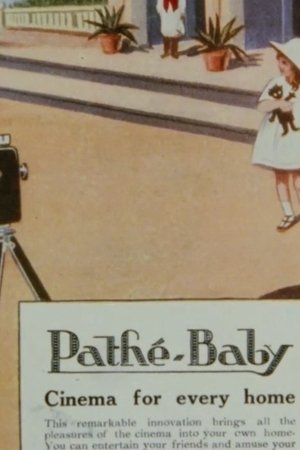
The Charles Pathé-Babies
The 13th short film as part of the Magica series dealing with pre-cinema. The Pathé-Baby, or ‘cinema at home’, the precursor to home cinema, was launched in 1922 and made it possible to watch comedy stars such as Max Linder, Laurel and Hardy, and Felix the Cat, as well as ‘big films’ such as Fritz Lang's Metropolis and Abel Gance's Napoléon, at home.
1986
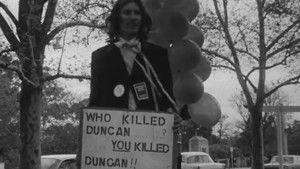
Pride & Snide
A contrast between two kinds of attitudes to gay liberation in Adelaide.
1976

The Gratinated Brains of Pupilija Ferkeverk
Plotless and wordless, beautifully edited shots of young (often naked or semi-naked) people in various positions, illustrating different emotions, actions and situations, underlined by rock music.
1971
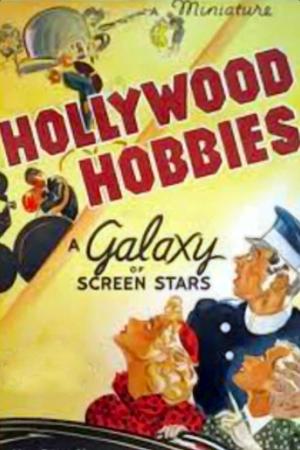
Hollywood Hobbies
In this short film, two starstruck movie fans hire a tour guide and see a plethora of Hollywood stars.
1939
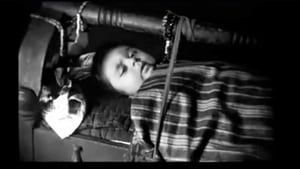
Buba
This documentary film is about one of Georgia's regions - Racha. The title of the film is taken from the name of one of Racha's high mountain villages. It tells about the poorest in society living in the mountains and the rise of the SSSR. The product of a remarkable collaboration between the first Georgian female filmmaker and the leading Georgian avant-garde artist David Kakabadze.
1930