Watch Language Matters with Bob Holman (2015) Online Free
There are over 6,000 languages in the world. We lose one every two weeks. Hundreds will be lost within the next generation. By the end of this century, half of the world's languages will have vanished. Language Matters with Bob Holman is a two hour documentary that asks: What do we lose when a language dies? What does it take to save a language?
Cast
Bob Holman, Arlene W. Eaton, Pele Harmon, Kauanoe Kamana, Larry Kimura, Kepa Maly, William Stanley Merwin, Lolena Nicholas, Puakea Nogelmeier, Keali'i Reichel, Kaui Sai-Dudoit, Nick Evans
More Like This
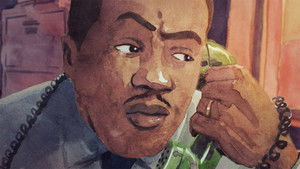
The Baddest Speechwriter of All
Now 93, Martin Luther King Jr.’s lawyer and speechwriter reflects on the personal cost and surprising truths of making history, offering an intimate insider’s view of the Civil Rights Movement.
2026

Fox & Penguin
How do German couples communicate in private? What are they arguing about? Is the way to a man’s heart really through his stomach? This docu-fictional hybrid production discusses such questions with the help of authentic interview snippets that were edited under the staged plot. We get an insight into the life of an animal couple, who experience typical everyday situations on behalf of us humans. At first, our fox is emotionally contained, while the penguin lady may get wild as hell. With a wink, the filmmakers hold up a mirror to the audience in the cinema.
2021
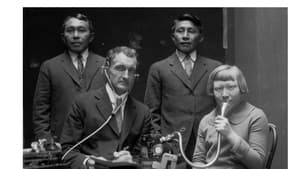
Chasing Voices: The Story of John Peabody Harrington
For 50 years, controversial ethnographer John Peabody Harrington crisscrossed the United States, frantically searching and documenting dying Native American languages. Harrington amassed over a million pages of notes on over 150 different tribal languages. Some of these languages were considered dead until his notes were discovered. Today tribes are accessing the notes, reviving their once dormant languages, and bringing together a new generation of language learners in the hope of saving Native languages.
2021
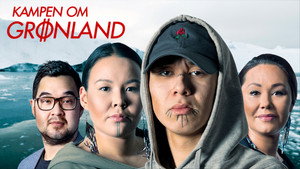
Kampen om Grønland
The world's largest island has been part of Denmark since 1721, but a significant majority of the 56.000 inhabitants now want independence. They feel their culture and language is threatened and is the main reason for the many suicides among young people. But the Danish speaking Greenlanders feel discriminated and want to keep the ties to Denmark. The film follows four strong young Greenlanders, who each in their own way insist on taking responsibility for the future of their country. The documentary explores the difficult balance between the right to self-determination and xenophobic nationalism. Between traditional culture and globalization.
2020
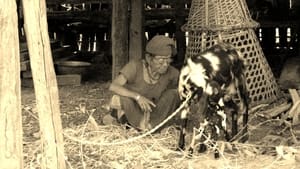
Gyani Maiya
“We left our language and started speaking others’. The girls have got married and have left for the villages. Boys are getting married in villages. It should be taught to children”. — Gyani Maiya Sen-Kusunda The Gi Mihaq (also known as Kusunda) was a semi-nomadic hunter and gatherer community that settled in villages around the mid-western Nepalese district of Dang. They have long lost their native language Mihaq (Kusunda), to acculturation and other barriers to active use. The community also lost their 83-year-old elder Gyani Maiya Sen-Kusunda in 2020, the most and the only known fluent Kusunda speaker then. Filmed in Kulmor in the Dang District in 2018, this openly-licensed documentary is a memoir of Sen-Kusunda in her own words and a biography of her people who were forced to leave their language and cultural identity. Kusunda is being revived by Kamala Sen Khatri, Sen-Kusunda’s younger sister, and Uday Raj Aaley, a local researcher who is the key interviewer for this film.
2019
The Commission
For some time now, The State Commission of the Lithuanian Language is at the center of tough discussions. For some, it’s an institution which safeguards the most important principles of the language, but for others, it’s an anachronism of the Soviet regime. This film offers a first-time glimpse into the commission’s work
2019
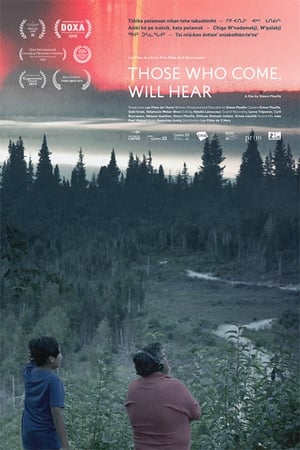
Those Who Come, Will Hear
The documentary proposes a unique meeting with the speakers of several indigenous and inuit languages of Quebec – all threatened with extinction. The film starts with the discovery of these unsung tongues through listening to the daily life of those who still speak them today. Buttressed by an exploration and creation of archives, the film allows us to better understand the musicality of these languages and reveals the cultural and human importance of these venerable oral traditions by nourishing a collective reflection on the consequences of their disappearance.
2018
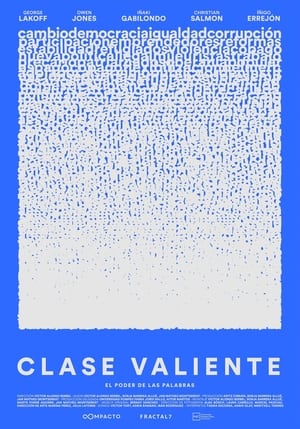
The Brave Class
Three college students start a social experiment to prove that reality changes according to the words we use to describe it. Through research, activist actions, and artistic interventions, they analyze the importance of language in the way we understand the world. The documentary includes analysis from more than 20 international experts and leaders in the fields of political communication and information.
2017
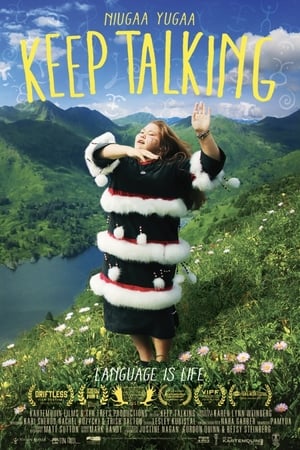
Keep Talking
Three Alaska Native women work to save their endangered language, Kodiak Alutiiq, and ensure the future of their culture while confronting their personal demons. With just 41 fluent Native speakers remaining, mostly Elders, some estimate their language could die out within ten years. The small community travels to a remote Island, where a language immersion experiment unfolds with the remaining fluent Elders. Young camper Sadie, an at-risk 13 year old learner and budding Alutiiq dancer, is inspired and gains strength through her work with the teachers. Yet PTSD and politics loom large as the elders, teachers, and students try to continue the difficult task of language revitalization over the next five years.
2017

Fluer i Kødbyen
In 1971 September met four young men in a garden in Gentofte. They wanted to make a band. And they soon found out that they could joke his way to one hit after another. A handful of years later had their playful approach made them Denmark's largest orchestra. But if success came easily to them, it was also their biggest problem. For besides they were hit by alcoholism and stage directing, they faced one overriding dilemma: Should they stick to the happy drengerøvs tone (young men who appear to be young, immature or inexperienced or who behave childishly), they had so much luck, or trying to become adults?
2016

Cree Code Talker
CREE CODE TALKER reveals the role of Canadian Cree code talker Charles 'Checker' Tomkins during the Second World War. Digging deep into the US archives it depicts the true story of Charles' involvement with the US Air Force and the development of the code talkers communication system, which was used to transmit crucial military communications, using the Cree language as a vital secret weapon in combat.
2016

Euroestafa
This documentary analyses the perverse monetary policies initiated before the euro inception. It focuses on the case of Spain and the terrible housing bobble that developed there.
2014
School of Babel
They just arrived in France. They are Irish, Serbs, Brazilians Tunisians, Chinese and Senegalese ... For a year, Julie Bertuccelli filmed talks, conflicts and joys of this group of students aged 11 to 15 years, together in the same class to learn French.
2014
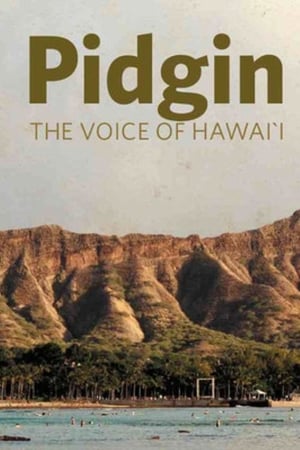
Pidgin: The Voice of Hawai'i
What if you are made to feel ashamed when you speak your "mother tongue" or ridiculed because of your accent? "Pidgin: The Voice of Hawai'i" addresses these questions through its lively examination of Pidgin - the language spoken by over half of Hawai'i's people.
2009
Writing the Land
In this short documentary, a Musqueam elder rediscovers his Native language and traditions in the city of Vancouver, in the vicinity of which the Musqueam people have lived for thousands of years. Writing the Land captures the ever-changing nature of a modern city - the glass and steel towers cut against the sky, grass, trees and a sudden flash of birds in flight and the enduring power of language to shape perception and create memory.
2007
An Inconvenient Truth
A documentary on Al Gore's campaign to make the issue of global warming a recognized problem worldwide.
2006
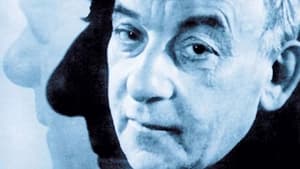
Language Does Not Lie
Victor Klemperer (1881-1960), a professor of literature in Dresden, was Jewish; through the efforts of his wife, he survived the war. From 1933 when Hitler came to power to the war's end, he kept a journal paying attention to the Nazis' use of words. This film takes the end of 1945 as its vantage point, with a narrator looking back as if Klemperer reads from his journal. He examines the use of simple words like "folk," "eternal," and "to live." Interspersed are personal photographs, newsreel footage of Reich leaders and of life in Germany then, and a few other narrative devices. Although he's dispassionate, Klemperer's fear and dread resonate
2004
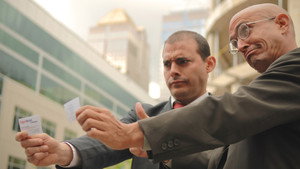
The Yes Men
A comic, biting and revelatory documentary following a small group of prankster activists as they gain worldwide notoriety for impersonating the World Trade Organization (WTO) on television and at business conferences around the world.
2003
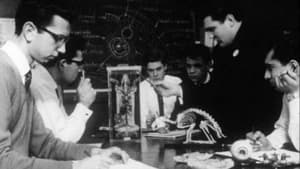
Comprehensive School
The joys of 1960s modern education - as seen at a not-exactly-typical local comp.
1962
The Kiss of Glory
The making of patriotic films was not rare among FAI productions, and Il bacio della gloria is one example, together with Armi e amori (1913) and Per la Patria! (1915). In this Speech from the Throne, which opened the 14th Legislature, the King of Italy stressed and underscored with his words the period recalling the story of the glorious conquering of Libya, sending warm greetings to the courageous men who fought, and to the heroes who fell, for the loftiness of their country. In a response worthy of these august words, immediately thereafter Pathé released this patriotic film which tells one of the many stories of courage which bring glory to the Italian flag.
1913