Watch Pidgin: The Voice of Hawai'i (2009) Online Free
What if you are made to feel ashamed when you speak your "mother tongue" or ridiculed because of your accent? "Pidgin: The Voice of Hawai'i" addresses these questions through its lively examination of Pidgin - the language spoken by over half of Hawai'i's people.
Cast
Kanalu Young, Lee Tonouchi, Teresa Lau, Keith Kashiwada
More Like This

3500 km de sentiers partagés
Sixty snowmobilers, indigenous and non-indigenous, join forces to take part in a huge snowmobiling expedition: a 3500 km journey to be completed in 16 days. The goal: to cross a large swath of Quebec to work towards reconciliation between peoples. In this choral film, which is as much a physical ordeal as a spiritual and psychological one, the participants take on the mission of raising public awareness of the issues dear to their communities. Through the challenges posed by the weather and the long daily journeys that put the group to the test, a powerful bond is forged between the participants, who face enormous adversity. A journey on the land of ancestors that reveals the strength of togetherness.
2024

Kekaiulu Hula Studio
Kekaiulu Hula Studio follows the Proclaimed Hula Halau of the same name, showcasing their twist on what the real reason for hula is and what life as a dancer in the halau is really like. Something previously unseen in the public eye.
2022

¿Qué le vas a pedir a los Reyes?
Cintia is currently 30 years old. On January 6, 2022, she decided to publish on her social networks, a story she lived in her childhood. When she was 6 or 7 years old, she wrote an unusual letter to the Three Wise Men.
2022
Documentário Brasil Tupinambá
2021
Kímmapiiyipitssini: The Meaning of Empathy
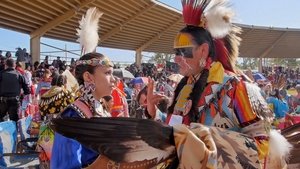
Follow filmmaker Elle-Máijá Tailfeathers as she creates an intimate portrait of her community and the impacts of the substance use and overdose epidemic. Witness the change brought by community members with substance-use disorder, first responders and medical professionals as they strive for harm reduction in the Kainai First Nation.
2021

Falas da Terra
'Falas da Terra' sheds light on the plurality and the struggle of the indigenous people for the right to exist, in a historical rescue of valuing their cultures.
2021

Sweetheart Dancers
Sean and Adrian, a Two-Spirit couple, are determined to rewrite the rules of Native American culture through their participation in the “Sweetheart Dance.” This celebratory contest is held at powwows across the country, primarily for heterosexual couples … until now.
2019

Before Summer Ends
After five years studying in Paris, Arash has not adjusted to life there and has decided to return to Iran to live. Hoping to change his mind, his two friends Hossein and Ashkan convince him to take a last trip through France.
2017
First Daughter and the Black Snake
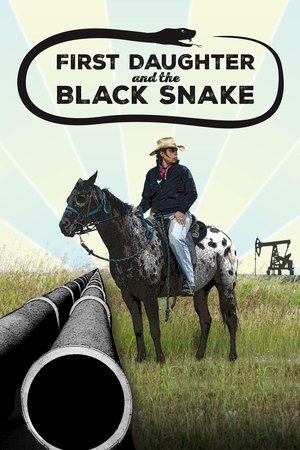
The “Prophecy of the 7th Fire” says a “black snake” will bring destruction to the earth. For Winona LaDuke, the “black snake” is oil trains and pipelines. When she learns that Canadian-owned Enbridge plans to route a new pipeline through her tribe’s 1855 Treaty land, she and her community spring into action to save the sacred wild rice lakes and preserve their traditional indigenous way of life. Launching an annual spiritual horse ride along the proposed pipeline route, speaking at community meetings and regulatory hearings. Winona testifies that the pipeline route follows one of historical and present-day trauma. The tribe participates in the pipeline permitting process, asserting their treaty rights to protect their natural resources. LaDuke joins with her tribe and others to demand that the pipelines’ impact on tribal people’s resources be considered in the permitting process.
2017
Kumu Hina
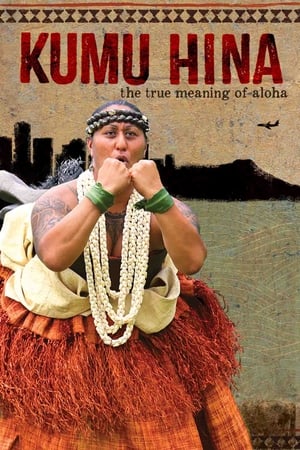
A powerful film about the struggle to maintain Pacific Islander culture and values within the Westernized society of modern day Hawaiʻi. It is told through the lens of an extraordinary Native Hawaiian who is both a proud and confident māhū, or transgender woman, and an honored and respected kumu, or teacher, cultural practitioner, and community leader.
2014

La Meilleure Façon de tracer
2010

Club Native
With moving stories from a range of characters from her Kahnawake Reserve, Mohawk filmmaker, Tracey Deer, reveals the divisive legacy of more than a hundred years of discriminatory and sexist government policy to expose the lingering "blood quantum" ideals, snobby attitudes and outright racism that threaten to destroy the fabric of her community.
2008

The Massie Affair
In the waning days of summer 1931, Honolulu's tropical tranquility was shattered when a young Navy wife made a drastic allegation of rape against five nonwhite islanders. What unfolded in the following days and weeks was a racially-charged murder case that would make headlines across the nation, enrage Hawai'i's native population, and galvanize the island's law enforcers and the nation's social elite.
2005
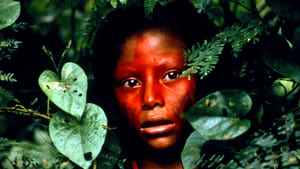
Baraka
A paralysingly beautiful documentary with a global vision—an odyssey through landscape and time—that attempts to capture the essence of life.
1992
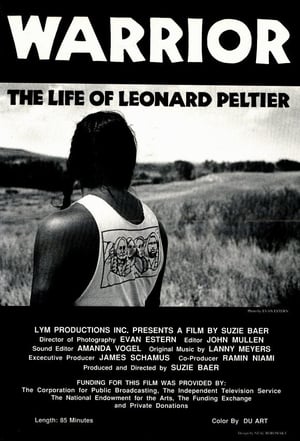
Warrior: The Life of Leonard Peltier
An intimate exploration of the circumstances surrounding the incarceration of Native American activist Leonard Peltier, convicted of murder in 1977, with commentary from those involved, including Peltier himself.
1991

Foster Child
Gil Cardinal searches for his natural family and an understanding of the circumstances that led to his becoming a foster child. An important figure in the history of Canadian Indigenous filmmaking, Gil Cardinal was born to a Métis mother but raised by a non-Indigenous foster family, and with this auto-biographical documentary he charts his efforts to find his biological mother and to understand why he was removed from her. Considered a milestone in documentary cinema, it addressed the country’s internal colonialism in a profoundly personal manner, winning a Special Jury Prize at Banff and multiple international awards.
1987
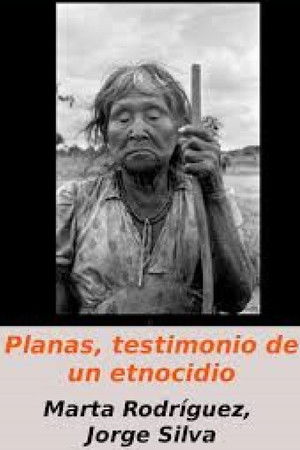
Plains: Testimony of an Ethnocide
A documentary on the massacre of Planas in the Colombian east plains in 1970. An Indigenous community formed a cooperative to defend their rights from settlers and colonists, but the government organized a military operation to protect the latter and foreign companies.
1971
Follow Me
Documentary about two boys and a girl who travel to surfing spots around the world.
1969
Sons of the Surf
Surfing at Waikiki Beach, Hawaii, on the island of Oahu. Most surfers are human, one is a dog. The educational documentary is part of the Bruce Scenic Novelties series.
1926
Filhos de Macuinaíma
Documentary about the life of three families living in the city of Boa Vista, north of Brazil. Some of them look for a more intense daily life going to parties, work and dealing with family trouble, others want to get back to the tribe. Personal crises and the search for their own identity are aspects that reveal great relevance.