Watch Inside the Mind of Favela Funk (2016) Online Free
Set in Rio de Janeiro's most notorious favelas, the underprivileged youth share their perspective on the extremely popular, pornographic favela funk music with respect to their personal (love) lives, situated in a lawless subculture of drug gangs, machismo, violence and sex.
More Like This

Terror Mandelão
Terror Mandelão addresses sound, technology, and the job market in the universe of baile funk in São Paulo's favelas. The film follows the journey of DJ K, one of the main DJs of Baile do Helipa, the street party of Heliópolis favela, and his friend Zero K, who got his first hit after 10 years as MC. Combining documentary, fictional elements, and visual experimentation, it portrays the ups and downs faced by young artists on the outskirts.
2024
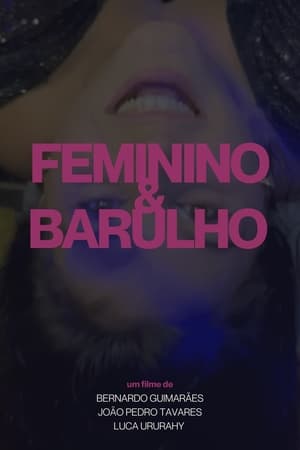
Feminino e Barulho
The cinema of Pernambuco is considered one of the most complex components of Brazilian cinema, particularly for its potency and creative style. The presence of women in filmmaking seldom holds the same historical notoriety as that of men, and the Pernambuco scene is no exception. In the context of "Amor, Plástico e Barulho" (Love, Plastic, and Noise), we find a film that serves as a testament to the marginalization of women in the creative industry, intertwining themes of consumption and the production of brega music. Hence, we use "Feminino e Barulho" (Feminine and Noise) as a means to share what we've learned. Renata Pinheiro has inspired us to craft a narrative that gives voice to those who need to be heard. We are here to showcase a glimpse of them and what they represent. "Feminino e Barulho" is a short film about love, femininity, sisterhood, and empowerment.
2023
A Living Culture
A short documentary with funk, fashion and noise, with intimate stories from students and artisans from New Zealand and India pursuing a responsible fashion future.
2022
Maria: Ninguém Sabe Quem Sou Eu
The film is an unprecedented and exclusive testimonial of Maria Bethânia from director and screenwriter Carlos Jardim, interspersed with rare footage of rehearsals and concerts by the singer throughout her 57-year career. Actress Fernanda Montenegro narrates five texts by authors such as Ferreira Gullar and Caio Fernando Abreu about Bethânia's importance on the Brazilian cultural scene.
2022
L'Homme de Rio - A vida loca
2022
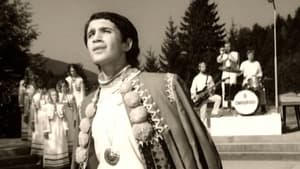
Mustache Funk
The early 70s is a golden epoch of our popular music. Hundreds of songs of exquisite beauty. Groundbreaking sound. Futuristic suits. How and whence could all of this emerge in a Soviet socialist republic? How did a brand new music scene, original in sound and philosophy in every way, and at the same time absolutely in sync with global music trends come forth? They weren't that fond of the Soviet label «VIA». And since neither of us is fond of this acronym, let us rechristen this music.
2021
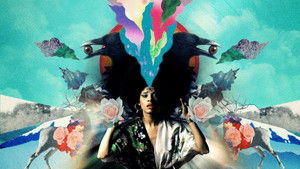
Betty: They Say I’m Different
An aspiring songwriter from a small steel town, Betty Mabry Davis arrived on the scene to break boundaries for women with her daring personality, iconic fashion style and outrageous funk. She befriended Jimi Hendrix and Sly Stone, wrote songs for the Chambers Brothers and The Commodores and married Miles Davis, turning him from jazz to funk and then went on to ignite stages in the 70s with her sassy sexed up mix of hard rock and bluesy funk, inspiring artists from Prince to Erykah Badu to Karen 0 and Peaches. Then she vanished…
2017
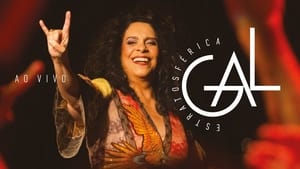
Gal Costa: Estratosférica – Ao Vivo
"Estratosférica ao Vivo" is not just the record of a Gal Costa show. It is the portrait of the artist reaching the 70 years of life, 50 of them dedicated to music. The show "Estratosférica" crowns the new artistic phase of Gal, more and more interested in connecting several tips of the history of the music of Brazil, joining the composers of its generation to names of the new national scene. The script, created by Marcus Black, was very good at this idea. Sewing songs by Caetano Veloso, Tom Zé, Luiz Melodia, Jards Macalé and Waly Salomão, Carlos Pinto and Torquato Neto, Roberto and Erasmo Carlos - a series of tropicalist and post-tropicalist works that until now serve as reference and feed the new generations of music.
2017

The Good Fight
A boxer in Rio's favelas opens a club to help keep kids out of the burgeoning drug trade.
2017
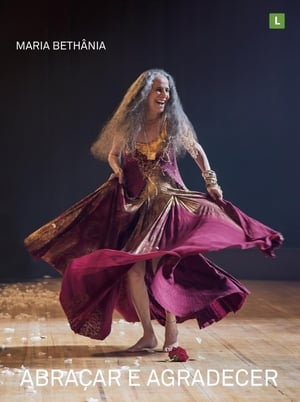
Abraçar e Agradecer
Celebrating 50 years of her career, Maria Bethânia filmed in Brazil in 2105 the show Abraçar e Agradecer, which now comes out on CD and DVD.
2016
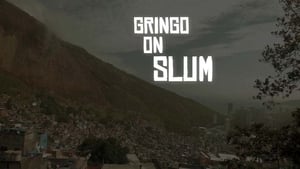
Gringo on the Slum
Documentary about the foreign tourism in Rocinha, the biggest Latin America's favela, which receives about 3.000 foreign tourists per month. They come to Rocinha looking for the most varied aspects, from the poorness to the violence, from the geography to the architecture, from the viewing to the atmosphere, from the curiosity to the welfarism.
2015
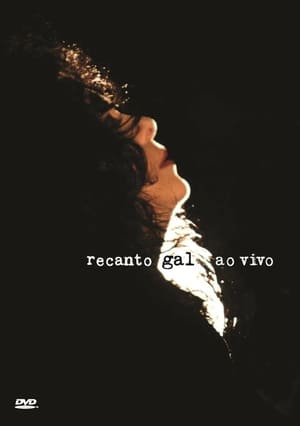
Gal Costa: Recanto – Ao Vivo
2013
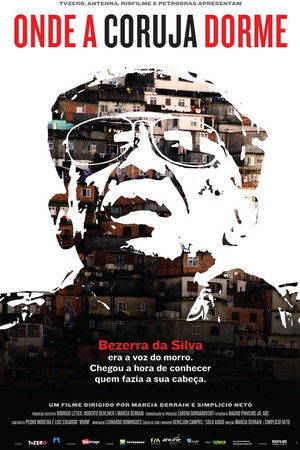
Straight to the Point
Documentary about the singer Bezerra da Silva and the relation with his composers.
2012
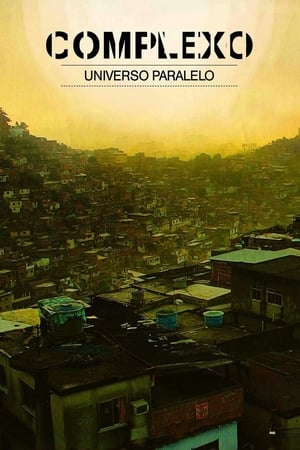
Complexo: Parallel Universe
No Rio de Janeiro, a 13 km do Cristo Redentor, dois portugueses aventuraram-se na mais temida favela do Brasil, onde moram mais de 300.000 pessoas - o Complexo do Alemão. Em 2007, no período de maior tensão e violência no Rio de Janeiro, viveram a maior operação policial já realizada no estado, sentiram na pele como é a vida de um simples morador. O filme retrata este perigoso e complexo mundo, um universo paralelo inserido dentro de uma ordem maior, um mundo à parte, que segue uma ordem diferente da ordem global.
2011
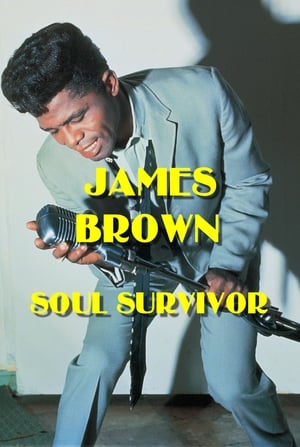
James Brown: Soul Survivor
James Brown's legacy has influenced rap, soul, funk and R&B. But along with his huge talent, there's a dark side to Brown's success that includes stints in prison and unceasing tabloid speculation. This in-depth documentary takes a look at the meteoric highs and deep lows of Brown's career, offering some fascinating insights from the Godfather of Soul himself, as well as interview footage with Chuck D, Little Richard, Wyclef Jean and many others.
2003
Aqui Favela, o Rap Representa
2003
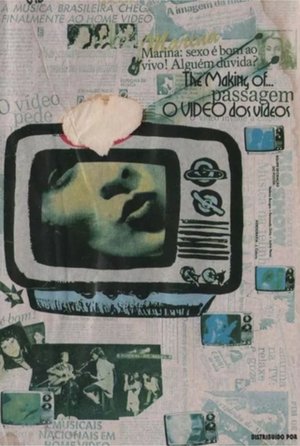
Sexo é Bom
1987
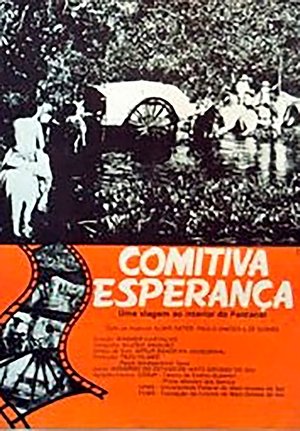
Comitiva Esperança
1985
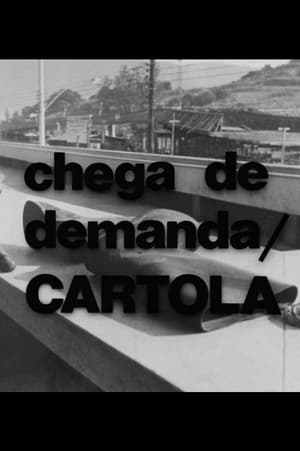
Chega de Demanda
Documentary addressing the composer Cartola and the transformations that took place in Morro Carioca and in Samba during his life. Founder of the Escola de Samba Estação Primeira de Mangueira, Cartola has his life and his music marked by his community and his School, far from the city His school, created as a playful and expressive center for the mangueirense, has now become a point of tourist attraction. This made work possible for the inhabitants of the hill, but it transformed the spirit of samba and its aesthetics.
1973
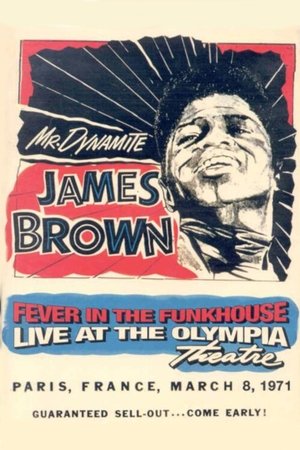
James Brown: Love Power Peace
Live at the Olympia, Paris, 1971 is the only recording that documents one of his live performances with the original J.B.'s lineup featuring Bootsy and Catfish Collins. Love Power Peace was originally intended for a 1972 release as a vinyl triple album, but was cancelled after key members of the original J.B.'s left Brown to join Parliament-Funkadelic.
1971