Watch Complexo: Parallel Universe (2011) Online Free
No Rio de Janeiro, a 13 km do Cristo Redentor, dois portugueses aventuraram-se na mais temida favela do Brasil, onde moram mais de 300.000 pessoas - o Complexo do Alemão. Em 2007, no período de maior tensão e violência no Rio de Janeiro, viveram a maior operação policial já realizada no estado, sentiram na pele como é a vida de um simples morador. O filme retrata este perigoso e complexo mundo, um universo paralelo inserido dentro de uma ordem maior, um mundo à parte, que segue uma ordem diferente da ordem global.
More Like This
Morro da Favela
2026
É Pra Mudar, Muleke - Uma Vida no DEGASE
2025
L'Homme de Rio - A vida loca
2022
School Town King
It follows two teenage rappers in Bangkok who use their musical talent to navigate their difficult circumstances.
2020
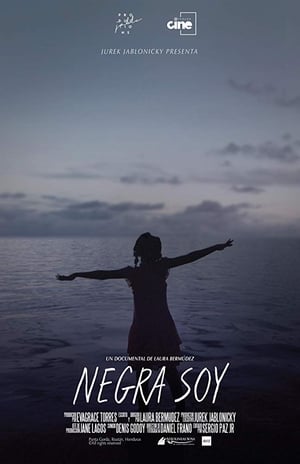
Black I Am
The women of the first Garífuna community in Honduras work hard for the future of their daughters. Surrounded by a dazzling landscape, they celebrate their identity and the importance of maternal figures.
2020
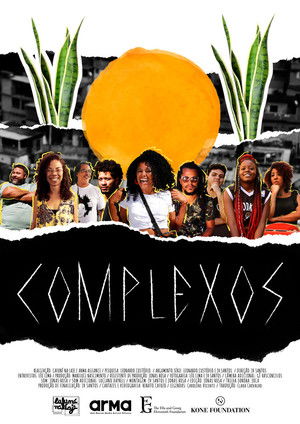
Complexes
The short documentary ‘Complexos‘ features intimate and emotional views on how residents of favelas in Rio de Janeiro use media and arts to raise their voices and act for justice, dignity and respect. ‘Complexos’ is part of a collaborative process between the Finland-based Anti-Racism Media activism Alliance (ARMA Alliance) and the favela-based audiovisual collective Cafuné na Laje.
2020
The Corporate Coup D'État
A democracy should protect its most vulnerable citizens, but increasingly the United States is failing to do so. This investigation blends the insights of experts with the experiences of citizens of the Rust Belt in the Midwest where the steel industry once flourished, but where closures and outsourcing have left urban areas desolate. It is here where Donald Trump finds some of his most fervent supporters.
2018

The Good Fight
A boxer in Rio's favelas opens a club to help keep kids out of the burgeoning drug trade.
2017
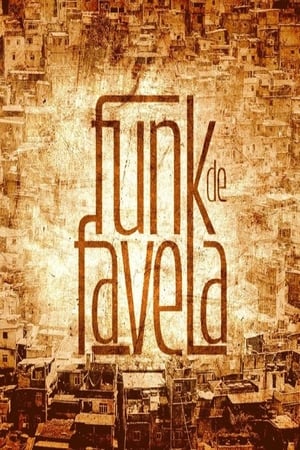
Inside the Mind of Favela Funk
Set in Rio de Janeiro's most notorious favelas, the underprivileged youth share their perspective on the extremely popular, pornographic favela funk music with respect to their personal (love) lives, situated in a lawless subculture of drug gangs, machismo, violence and sex.
2016
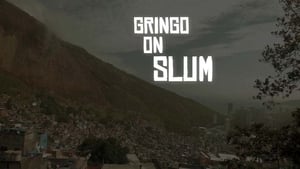
Gringo on the Slum
Documentary about the foreign tourism in Rocinha, the biggest Latin America's favela, which receives about 3.000 foreign tourists per month. They come to Rocinha looking for the most varied aspects, from the poorness to the violence, from the geography to the architecture, from the viewing to the atmosphere, from the curiosity to the welfarism.
2015
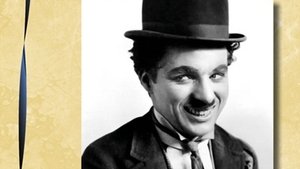
Birth of the Tramp
A look back at Charlie Chaplin's early life and career, from his rough childhood and music hall success in England to his early Hollywood days and the development of his enormously popular character, the Little Tramp, also called Charlot.
2013
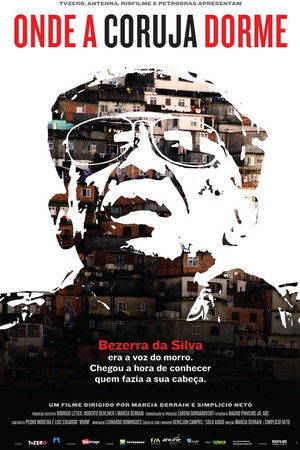
Straight to the Point
Documentary about the singer Bezerra da Silva and the relation with his composers.
2012
Zé Barriga
2007

The Miracle of Candeal
The story of the Candeal favela in Salvador de Bahia, Brazil, where musician Carlinhos Brown carries out social and cultural initiatives that protect and enrich the lives of its inhabitants every day.
2004
Favela no Ar
The documentary shows the awakening of the poor youth to social consciousness in the identification of life that imitates art with art that imitates life. It is the São Paulo chapter of the cultural history of national rap in the voice of its main exponents.
2002
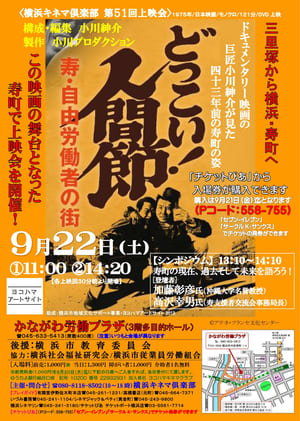
Dokkoi! Songs from the Bottom
After the waning of the protests in Sanrizuka, Ogawa Pro started questioning the future of the collective and looking for other subjects to film. Following the method developed in the previous films, the filmmakers moved to the slum of Kotobuchi in the port city of Yokohama, where more than 6000 people were struggling to get by without any means of survival, exposed to industrial accidents and diseases. The result is one of the most moving films produced by the collective, a series of beautifully filmed portraits, voicing the silenced stories and songs of a group of people living in this community. Credit: ICA London
1975
Chega de Demanda
Documentary addressing the composer Cartola and the transformations that took place in Morro Carioca and in Samba during his life. Founder of the Escola de Samba Estação Primeira de Mangueira, Cartola has his life and his music marked by his community and his School, far from the city His school, created as a playful and expressive center for the mangueirense, has now become a point of tourist attraction. This made work possible for the inhabitants of the hill, but it transformed the spirit of samba and its aesthetics.
1973
Notes on a True Story
On the evening of March 11, 1950, Annabella Bracci, a 12-year-old girl, was brutally killed and thrown into a pit on the outskirts of Rome, near the village of Primavalle. A brief and poetic account of the events and their impact on an impoverished community. A handful of wild flowers and a painful catch in the voices.
1951
Under the water
A daily life in Korogocho, Kenya, one of the world’s poorest slums.
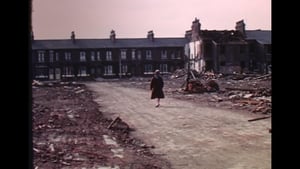
The Changing Face Of Salford Collection
Between 1968 and 1970, J M Goodger, a lecturer at the University of Salford, made a film record of the living conditions in the slums of Ordsall, Salford, which were then in the process of being demolished. Under the title 'The Changing face of Salford', the film was in two parts: 'Life in the slums' and 'Bloody slums'.
1970