Watch Death Zones (1975) Online Free
Presents three case histories which illustrate how children were accidentally killed or injured by the schoolbus from which they had disembarked.
More Like This

Men of the Manosphere
James Blake joins three young men to explore why they're turned to the so-called manosphere to achieve success, and how it influences their real lives.
2025

Expedition Happiness
A German couple and their dog travel across North America in a school bus searching for a state of pure bliss.
2017

Emergency First Aid Series: Accidental Poisoning
Discusses the dangers of accidental poisoning, particularly in children, due to household substances like cleaners and medications. It emphasizes the importance of identifying the product involved in the poisoning, recognizing symptoms, and taking immediate action. Key steps include diluting the poison with milk or water, calling for medical assistance, and bringing the poison container to the hospital. The document also highlights the risks of drug misuse and inhalation of toxic fumes, urging quick responses to emergencies.
1980

Alcohol, the Brain and Behavior
Discusses the effects of alcohol on the brain and behavior, particularly in relation to driving. It explains how alcohol impairs judgment, perception, coordination, and vital functions by affecting different brain regions. Factors influencing blood alcohol concentration (BAC) include the amount consumed, body size, sex, and the rate of consumption. The video also debunks myths about sobering up and emphasizes the importance of allowing time for alcohol to metabolize before driving. Even at BAC levels considered legally impaired, individuals may not recognize their diminished capabilities.
1979
...And Then It Happened
The film "And Then It Happened" follows two school bus drivers known for their safety records. During routine rides, a series of distractions and misbehaviors from the students lead to a disastrous accident, injuring several classmates. The narrative explores the challenges of managing rowdy children on a bus and the consequences of their actions, highlighting the importance of safety and the hidden struggles of the students.
1972
The Curious Habits of Man
A 1972 educational film by Dan Gibson Productions, aims to guide young viewers in recognizing the temptations and risks associated with alcohol and excessive drinking through the lens of a nature documentary. Through a series of cautionary scenarios and reflections, it sheds light on the societal lure of alcohol and its potential consequences. This film serves as both a warning and a primer on self-awareness around drinking habits, connecting with an era increasingly concerned with youth education on substance use.
1972
Focus on LSD
This anti-drug educational film, hosted by pop singer Tommy Roe, features teenagers discussing the pros and cons of taking LSD.
1971

Never Go with Strangers
Never Go With Strangers was intended for children aged between seven and ten and its purpose was ‘to warn them of the dangers of accepting lifts or presents from strangers’. Due to potential distress government officials instructed that the film only be shown under ‘responsible adult supervision’, thus denying it a TV airing for many years.
1971
Door to Door Salesman
Ever had a good experience with doorstep salespeople? Maybe you were lucky, but the doorstep has never seemed the best place for a sensible sales decision – which is exactly why companies use it.
1961
Women in Industry
The Ministry of Labour exhorts women to return to industry – the post-war production drive depends on them.
1948
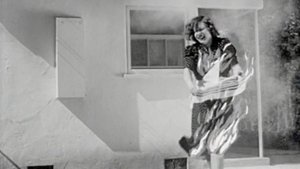
Playing with Fire
You're asking for trouble when you play with fire - and this public information film is the stuff of nightmares.
1947
The Story of Menstruation
A basic explanation of the purpose and process of menstruation, told largely with diagrams.
1946
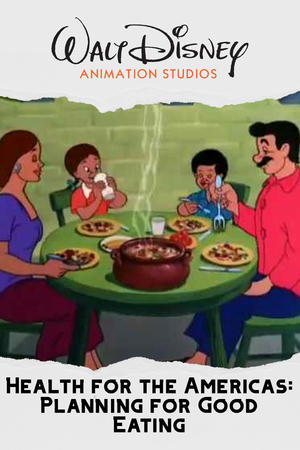
Health for the Americas: Planning for Good Eating
An educational short from Disney on the importance of good nutrition.
1946
Where Does It Get You?
The content emphasizes the importance of agility, stamina, and judgment in various aspects of life, including sports, academics, and everyday decision-making. It highlights the physiological effects of alcohol on the body and mind, explaining how it impairs judgment and coordination, which can lead to dangerous situations, especially when driving. The message advocates for self-discipline and moderation, urging individuals to make wise choices regarding alcohol consumption to maintain their physical and mental capabilities.
1946
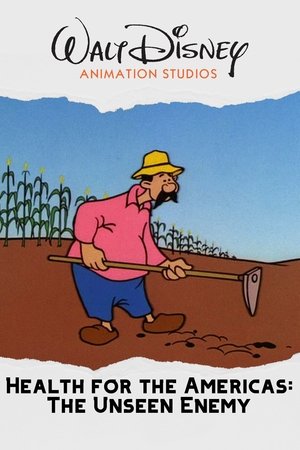
Health for the Americas: The Unseen Enemy
Disney animated educational film about staying safe from disease.
1945
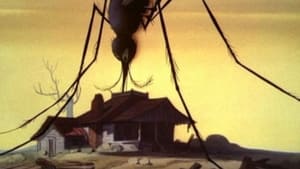
The Winged Scourge
The Seven Dwarfs fight malaria.
1943
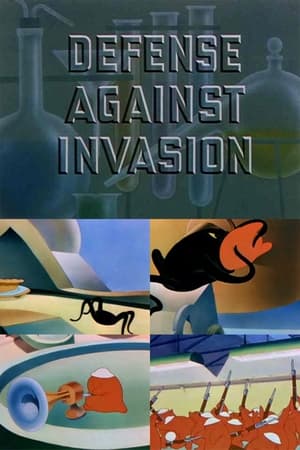
Defense Against Invasion
A doctor persuades a group of boys to be vaccinated by explaining how it will protect them against disease. Animated sequences depict the body metaphorically as a city, defended by the blood cells, which are stimulated by vaccination to amass arms and ammunition, in order to defend the city when it is invaded by germs.
1943

The Grain That Built a Hemisphere
This animated documentary outlines the history and importance of corn in North America.
1943

Out of the Frying Pan Into the Firing Line
Documentary short film demonstrating the process by which waste fats from the kitchens of American homes can be transformed into the raw materials for explosives for the war effort.
1942
More Dangerous Than Dynamite
A short film warning the unaware housewife of the dangers of “dry cleaning” with gasoline at home.
1941