Watch Dance (1938) Online Free
Home movie from Man Ray featuring dancer Jenny gyrating in black and white.
Cast
Jenny, Man Ray
More Like This
The Performance
Hussein learnt to breakdance from a soldier in Iraq as a kid, then chased his American Dream to NYC. Now a choreographer, he mistakes a shot at success for a breakthrough and loses everything, but will do whatever it takes to keep dreaming.
2023
Two Monkeys
An independent documentary focusing on the Blue Monkey and New Monkey nightclubs in Sunderland. The dawn of the rave scene in the late 80s and early 90s changed the face of music forever and left a legacy that still continues to this day. Hear the stories of those who lived through it and were involved in the North East scene at the beggining. From raid to ruins, we shed light on the rise and fall of the Blue Monkey and New Monkey nightclubs investigating the music and the controversy that came with the all night rave clubs.
2019
Dancing the Nutcracker: Inside the Royal Ballet
This Christmas, step into the magical world of The Nutcracker. For the first time in many years, the Royal Ballet has given full access behind the scenes for a landmark 90-minute documentary as they prepare for this season's yuletide production.
2016
Black Ballerina
BLACK BALLERINA tells the story of several black women from different generations who fell in love with ballet. Six decades ago, while pursuing their dreams, Joan Myers Brown, Delores Browne and Raven Wilkinson confronted racism, exclusion and unequal opportunity. Today, young dancers of color continue to face formidable challenges breaking into the overwhelmingly white world of ballet. Moving back and forth in time, this lyrical, character driven film shows how far we still have to go and stimulates a fresh discussion about race, inclusion and opportunity across all sectors of American society.
2016
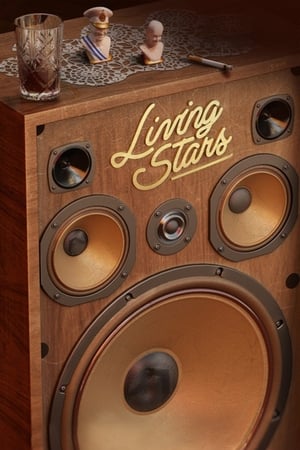
Living Stars
In this documentary, Argentinians dance to their favourite hits.
2014
The Latino List
Documentary film interviews leading Latinos on race, identity, and achievement.
2011

Auge in Auge - Eine deutsche Filmgeschichte
This is not merely another film about cinema history; it is a film about the love of cinema, a journey of discovery through over a century of German film history. Ten people working in film today remember their favourite films of yesteryear.
2008
Dance for All
2007
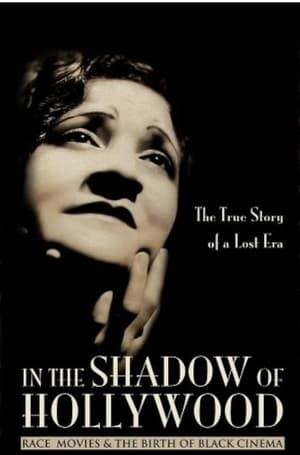
In the Shadow of Hollywood: Race Movies and the Birth of Black Cinema
This documentary captures the sounds and images of a nearly forgotten era in film history when African American filmmakers and studios created “race movies” exclusively for black audiences. The best of these films attempted to counter the demeaning stereotypes of black Americans prevalent in the popular culture of the day. About 500 films were produced, yet only about 100 still exist. Filmmaking pioneers like Oscar Micheaux, the Noble brothers, and Spencer Williams, Jr. left a lasting influence on black filmmakers, and inspired generations of audiences who finally saw their own lives reflected on the silver screen.
2007
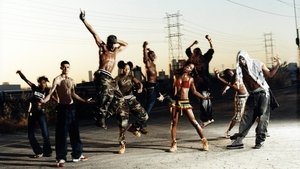
Rize
A documentary film that highlights two street derived dance styles, Clowning and Krumping, that came out of the low income neighborhoods of L.A.. Director David LaChapelle interviews each dance crew about how their unique dances evolved. A new and positive activity away from the drugs, guns, and gangs that ruled their neighborhood. A raw film about a growing sub-culture movements in America.
2005
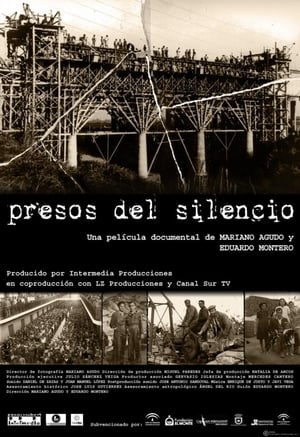
Presos del silencio
2004
Salò: Fade to Black
A short documentary exploring the ongoing relevance and power of 'Salò o le 120 giornate di Sodoma'.
2001
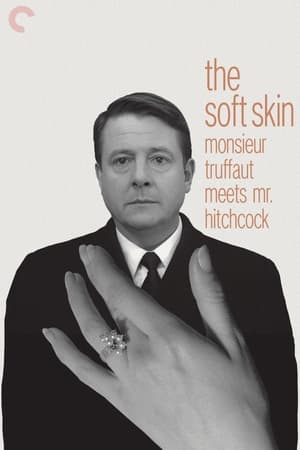
Monsieur Truffaut Meets Mr. Hitchcock
When Francois Truffaut approached Alfred Hitchcock in 1962 with the idea of having a long conversation with him about his work and publishing this in book form, he didn't imagine that more than four years would pass before Le Cinéma selon Hitchcock finally appeared in 1966. Not only in France but all over the world, Truffaut's Hitchcock interview developed over the years into a standard bible of film literature. In 1983, three years after Hitchcock's death, Truffaut decided to expand his by now legendary book to include a concluding chapter and have it published as the "Edition définitive". This film describes the genesis of the "Hitchbook" and throws light on the strange friendship between two completely different men. The centrepieces are the extracts from the original sound recordings of the interview with the voices of Alfred Hitchcock, Francois Truffaut, and Helen Scott – recordings which have never been heard in public before.
1999
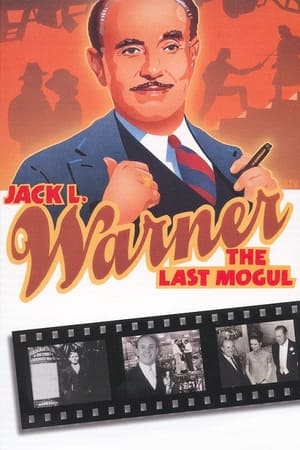
Jack L. Warner: The Last Mogul
An insider's account of Jack Warner, a founding father of the American film industry. This feature length documentary provides the rags to riches story of the man whose studio - Warner Bros - created many of Hollywood's most classic films. Includes extensive interviews with family members and friends, film clips, rare home movies and unique location footage.
1993
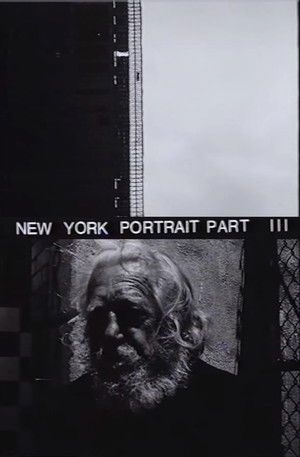
New York Portrait, Chapter III
"[Hutton’s] latest urban film, New York Portrait, Chapter III, takes on a unique tone in relation to Hutton’s ongoing exploration of rural landscape. The very fact that Hutton is dealing with older footage, with archives of memory more than immediacy, gives it a different texture than his earlier New York films. Hutton always found the presence of nature in the city, not only in his many shots of sky and vegetation, but also in the geometry and texture of the city itself, which seemed to project an independence from the human." (Tom Gunning)
1990
Vivement Truffaut
A tribute to the late, great French director Francois Truffaut, this documentary was undoubtedly named after his last movie, Vivement Dimanche!, released in 1983. Included in this overview of Truffaut's contribution to filmmaking are clips from 14 of his movies arranged according to the themes he favored. These include childhood, literature, the cinema itself, romance, marriage, and death.
1985
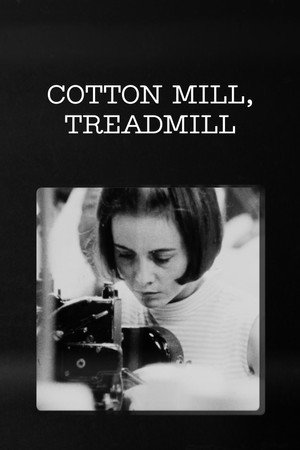
Cotton Mill, Treadmill
Director Denys Arcand made an inquiry on textile industry in Quebec, meeting employers and workers of that industry.
1970

Appalachian Spring
A filmed version of Aaron Copland's most famous ballet, with its original star, who also choreographed.
1959
Die grüne Hölle
Expedition into the Amazon river and its rain forests
1934
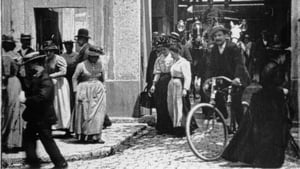
Workers Leaving the Lumière Factory
Working men and women leave through the main gate of the Lumière factory in Lyon, France. Filmed on 22 March 1895, it is often referred to as the first real motion picture ever made, although Louis Le Prince's 1888 Roundhay Garden Scene pre-dated it by seven years. Three separate versions of this film exist, which differ from one another in numerous ways. The first version features a carriage drawn by one horse, while in the second version the carriage is drawn by two horses, and there is no carriage at all in the third version. The clothing style is also different between the three versions, demonstrating the different seasons in which each was filmed. This film was made in the 35 mm format with an aspect ratio of 1.33:1, and at a speed of 16 frames per second. At that rate, the 17 meters of film length provided a duration of 46 seconds, holding a total of 800 frames.
1895