Watch Brotherhood (2022) Online Free
Jabir, Usama and Uzeir are three young brothers in a Sunni family of shepherds. Since childhood, their father Ibrahim has rigidly trained them in the principles of the Quran and has filled their minds with stories of the Bosnian War.
Cast
Jabir Delić, Uzeir Delić, Usama Delić, Ibro Delić, Šemso Derlić, Ramiz Redžić, Mustafa Duraković, Jasna Vranješ, Hidajet Mušić
More Like This

Sonaggios
In the Sardinian town of Tonara, where the ancient art of crafting cowbells teeters on the edge of extinction, a family battles to preserve their heritage, passing down skills to a new generation while grappling with personal struggles and the pull of modernity. English subtitles.
2025
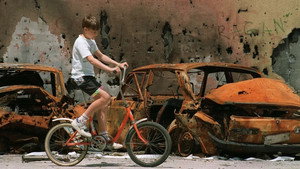
Sarajevo Safari
Among the many dramatic episodes of the siege of Sarajevo in the years 1992 to 1996, the story of a human safari has remained concealed from the public eye. Few people knew that those fighting the war on the Serbian side were not only the Bosnian Serb Army, volunteers and mercenaries but also a small, clandestine group: wealthy foreigners who paid high fees for the chance to shoot at the residents of the city under siege.
2022
Postwar Album
Winter 2019. Spanish war photographer Gervasio Sánchez, who documented with his camera the long and tragic siege of Sarajevo during the Bosnian War (1992-95), returns to the city in search of the children he met among the ruins, those who survived to grow up, live and remember.
2021

A Failed Peace, The Mistakes of The Treaty of Versailles
At the end of WWI, the treaty of Versailles established the conditions for peace in Europe. The aim for the victorious powers was to make Germany pay reparations, and to guarantee a future without war. Yet a decade later, the denunciation of 'Versailles' became a powerful lever for the nazis to obtain power as these reparations would mark the beginning of the humiliation of the German people, and nurture a feeling of having been bestowed a hopeless future. In the 20 years that follow the end of WWI, the issue of reparations and responsibility will effectively poison international relationship. The treaty negative impact goes well beyond WWII as the new European borders it implemented led to many conflicts during the twentieth century. This documentary shines a light on the causality between the decisions taken with the treaty of Versailles, and the ensuing events of the century.
2019
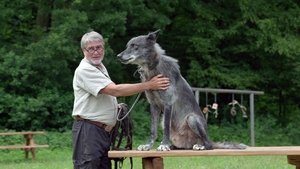
Wolves Return
Wolves divide and fascinate us. 150 years after they were driven to extinction in Central Europe, they are returning slowly but inexorably. Are they dangerous to humans? Is it possible to coexist? Using Switzerland as a point of departure, where wolves have returned in the very recent past, this documentary sheds light on the wolf situation in Austria, eastern Germany, Poland, Bulgaria, and even Minnesota, where freely roaming packs of wolves are more common sight.
2019
Suzana from the Cellar
A cellar-dwelling woman talks about her life to a camera during the devastating war in Bosnia.
1995
Bosnia!
The carnage in Sarajevo provides the focus of this French documentary which seeks to call attention to the terrible conflict in the hopes of finally ending it. The film is divided into five parts. Each part covers a time frame ranging from April 4, 1992, the beginning of the war, to the present. The major issues that occur are three-fold. It depicts the systematic genocide of Bosnians, the silence of Western countries, and the determination of the Bosnians to resist. They refuse to be seen as victims, even though the filmmakers portray them so. Also included are the origins and political aspects of the war. It offers interviews with participants. It also reveals how the U.S. State Department censored reports about Serbian death camps.
1994
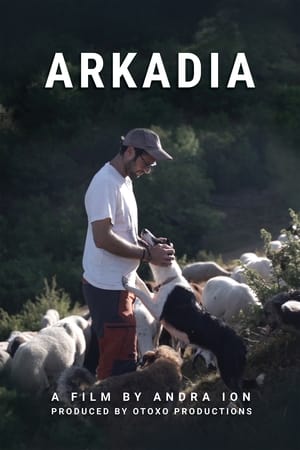
Arkadia
In a world where farming is mechanized and farm animals are fed with products coming from across the globe, a young shepherd is trying to keep his practice sustainable by using ancestral ways to raise his flock.
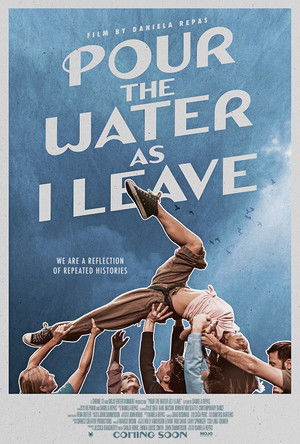
Pour the Water as I Leave
A surreal exploration of the war in Bosnia told through the unbreakable spirit of seven of her people whose strength to leave was as powerful as the fight to stay. Through the lens of diaspora, the film captures not just the weight of displacement, but the defiant act of survival and the unwavering pursuit of home, no matter where the journey leads.
2026
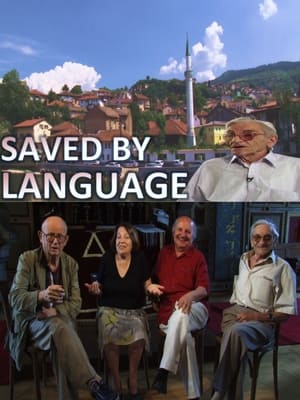
Saved by Language
Can a language save your life? Yes it can, even an ancient one from the 15th century. Saved by Language tells the story of Moris Albahari, a Sephardic Jew from Sarajevo (born 1930), who spoke Ladino/Judeo-Spanish, his mother tongue, to survive the Holocaust. Moris used Ladino to communicate with an Italian Colonel who helped him escape to a Partizan refuge after he ran away from the train taking Yugoslavian Jews to Nazi death camps. By speaking in Ladino to a Spanish-speaking US pilot in 1944 he was able to survive and lead the pilot, along with his American and British colleagues, to a safe Partizan airport.
2015
Dead Man Walking
In September 2004, Himzo Muratovic returned from the dead. Himzo turned up in a taxi in his Bosnian Muslim village, 12 years after he disappeared at the height of the Serb terror. His mother fell unconscious when neighbors told her that her missing son had returned. For several days the village celebrated the return of the long-dead Himzo Muratovic.
2006
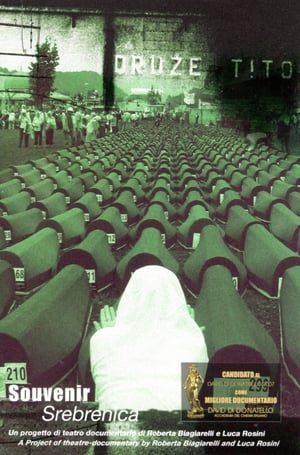
Souvenir Srebrenica
A project of theatre-documentary on the Srebrenica massacre.
2006
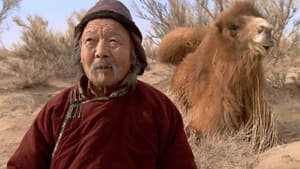
The Story of the Weeping Camel
When a Mongolian nomadic family's newest camel colt is rejected by its mother, a musician is needed for a ritual to change her mind.
2004
Mladí muži poznávají svět
The docu-drama takes place during the war in the former Yugoslavia. A young journalist arrives in destroyed Sarajevo and finds out how people live in the middle of war. He encounters everyday problems that an individual, especially young people, has to deal with.
1996
Bums and Dogs
A hotel in the centre of town is a war-time home and refuge for many of Sarajevo's homeless people. Every morning they leave the hotel and wander around the destroyed city gathering again at the defunct hotel in the afternoon. This film follows their separate fates through the bitter comparing of images of the bums with those of dogs abandoned by their owners and now left et the mercy of the war ravaged streets of Sarajevo.
1993
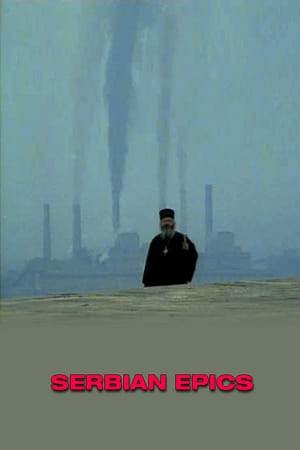
Serbian Epics
Paul Pawlikowski's award-winning documentary on life behind Serbian lines in Bosnia. The film observes the roots of the extreme nationalism which has torn apart a country and provides a chilling examination of the dangerous power of ancient nationalist myths.
1992
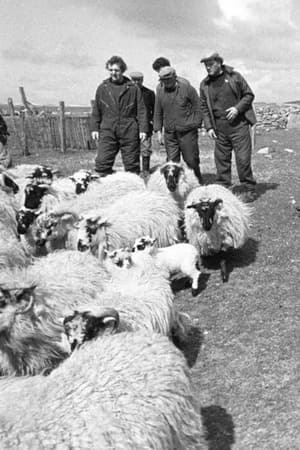
The Shepherds of Berneray
In 1980, Jack Shae and Allen Moore, two ethnographic filmmakers from Harvard University, moved their families to the island of Berneray in the Outer Hebrides. Over the course of 18 months they documented the everyday lives and struggles of the crofters they lived among, whom were even then a vanishing breed. The film is in English and Gaelic. This carefully observed documentary by filmmakers Jack Shae and Allen Moore is a poetic ethnographic film in the style of their mentor, Robert Gardner (“Dead Birds”). It follows the rhythm of life on a wind-swept island in the Outer Hebrides through the four seasons and in the filmmakers’ observation of the day-to-day struggles of a vanishing society we see the deep-time legacy of their kind. The film is in English and Gaelic.
1981
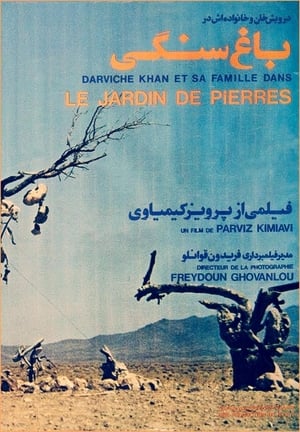
The Garden of Stones
Secrets and mysteries lose power when they are spread too widely. This is what the villagers discover when they invade an old man's vision-inspired shrine to the namelessly holy.
1976
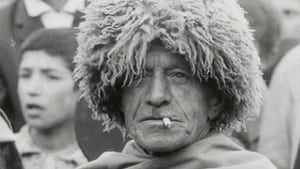
The Seasons
The last collaboration of Artavazd Peleshian and cinematographer Mikhail Vartanov is a film-essay about Armenia's shepherds, about the contradiction and the harmony between man and nature, scored to Vivaldi's Four Seasons.
1975
The Shepherdess
“The shepherdess” is a short ethnographic film inspired by Joyce, an 80 year old woman who has spent her whole life farming in Eastern Ontario. While this film is largely centred on Joyce’s narrative about her life, it is also about Joyce’s flock of about 20 Suffolk ewes, the filmmaker, and the relationships between these actors.