Watch A Tent on Mars (2009) Online Free
Three decades after the shuttering of the mining town of Schefferville, the Innu people, who moved in after the non-natives abandoned the town, are facing a new challenge: the iron mines are about to be reopened. Land, identity and legitimacy are central to the dialogue between peoples locked in parallel struggles, the Québécois and the First Nations.
More Like This

Saints And Warriors
Throughout the course of the Haida basketball season, leaders of iconic rez ball team the Skidegate Saints compete for two titles - defending their All Native Basketball Championship, while also battling for title to their land and waters with the government that stole it from them with the Indian Act.
2025
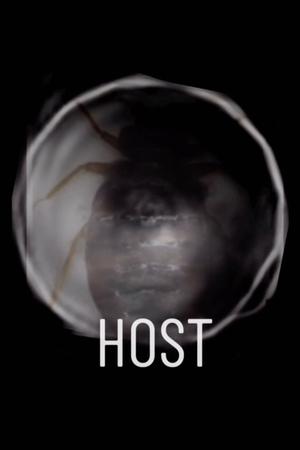
Host
An artist leads his Infection Procession to the water.
2024
The Mosque
The story of the Quebec Mosque Shooting—the first ever mass shooting in a mosque in the West—is known around the world, but the story of the community that survived the attack is all but unknown. The Mosque: A Community's Struggle is an intimate portrait of the resilient Muslim community of Ste-Foy, Québec, as they struggle to survive and shift the narrative of what it means to be a Muslim, one year after the devastating attack that took the lives of six of their members. As the world moves on, this small mosque and its community fights Islamophobia, harassment and hate speech. How will the community heal and how will they stop the rhetoric that threatens to precipitate further violence?
2020

My Pride
Spontaneous portrait of an endearing and cheerful teenager living in balance between traditionalism and modernity. She presents her regalia to us and we share her pride in being Innu.
2020
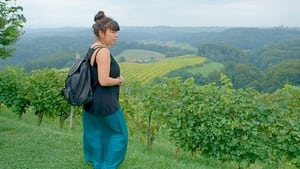
Nin E Tepueian: My Cry
NIN E TEPUEIAN - MY CRY is a documentary tracks the journey of Innu poet, actress and activist, Natasha Kanapé Fontaine, at a pivotal time in her career as a committed artist. Santiago Bertolino's camera follows a young Innu poet over the course of a year. A voice rises, inspiration builds; another star finds its place amongst the constellation of contemporary Indigenous literature. A voice of prominent magnitude illuminates the road towards healing and renewal: Natasha Kanapé Fontaine.
2020
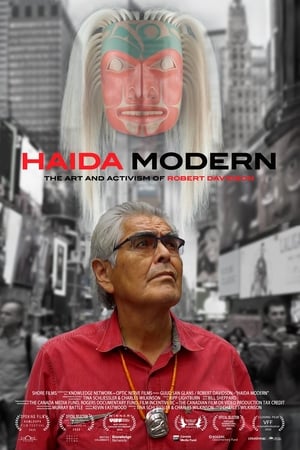
Haida Modern
In the 50 years since he carved his first totem pole, Robert Davidson has come to be regarded as one of the world’s foremost modern artists. Charles Wilkinson (Haida Gwaii: On the Edge of the World) brings his trademark inquisitiveness and craftsmanship to this revealing portrait of an unassuming living legend. Weaving together engaging interviews with the artist, his offspring, and a host of admirers, Haida Modern extols the sweeping impact of both Davidson’s artwork and the legions it’s inspired.
2019
La bataille de Rabaska
2018
Metal From The Dirt
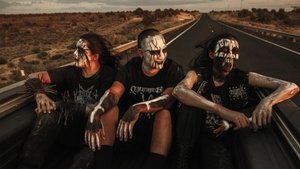
A document of the originators of the DIY Rez Metal scene, and the bands that are now carrying the torch, including I Dont Konform, Mutilated Tyrant and Born of Winter. From a generator-powered show in the Arizona desert to a band practicing in a traditional Navajo dwelling called a Hogan, this story — told by Navajo ("Diné") bands and individuals involved in the scene — explores the creation of Rez Metal in the Eighties, the juxtaposition of old and new Navajo traditions and the link between heavy metal and native pride.
2018
Le fantôme de Mirabel
2011
Tricksters
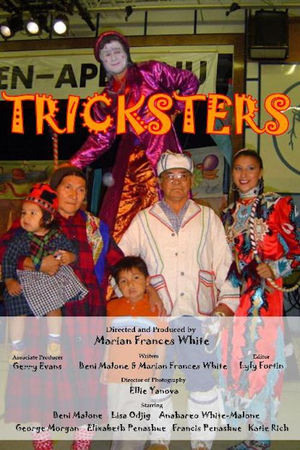
Shot during the first ever Innu circus festival in Labrador, Canada, Tricksters gives the viewing audience a positive glimpse into these troubled native communities. The artistry of international performers is combined with the native tradition of drumming and dancing offering a wider appreciation for the Innu way of life. Tricksters features Beni Malone's Wonderbolt Circus, as well as two time world champion hoop dancer Lisa Odjig who interacts with Innu Elders and children in workshops. Interviews with Innu elders inspire a greater appreciation for the Innu way of life. Tricksters offers an emergence of art and native culture, rarely seen on the screen.
2007
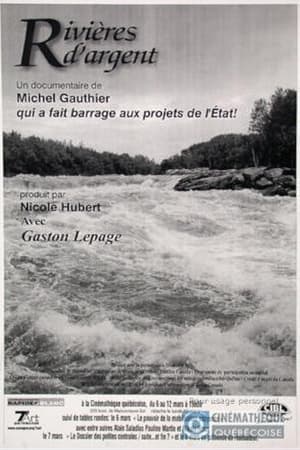
Silver Rivers
In 2001, the government of Quebec announced a new program to issue permits for the construction of private hydroelectric dams at specific sites. Upset, the population took things into their own hands and decided to act. Citizens formed collectives to protect their waterways, among the most beautiful in the province. This documentary follows several artist and citizen groups who led a crusade to force the Québec government to abandon private hydro-electrical production. It is a thorough inquiry on the environmental impact and other repercussions of such projects.
2002
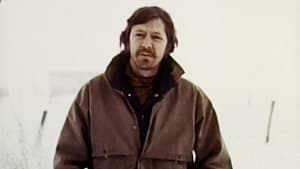
Entretien en six temps avec Gilles Groulx
This feature-length documentary brings together six of the rare television interviews given by Gilles Groulx between 1966 and 1983. Through these interviews, the filmmaker's ethical and aesthetic concerns are revealed. A striking coherence emerges in his thinking regarding his conception of cinema and the role the filmmaker should play in his culture and society.
2002
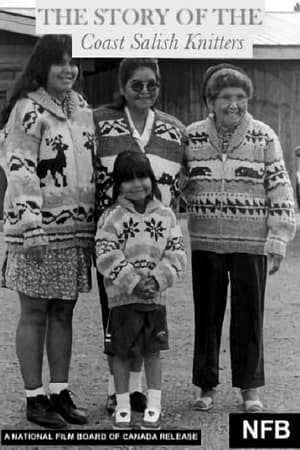
The Story of the Coast Salish Knitters
For almost a century, the Coast Salish knitters of southern Vancouver Island have produced Cowichan sweaters from handspun wool. These distinctive sweaters are known and loved around the world, but the Indigenous women who make them remain largely invisible.
2000
Women in the Shadows
Filmed on location in Saskatchewan from the Qu'Appelle Valley to Hudson Bay, the documentary traces the filmmaker's quest for her Native foremothers in spite of the reluctance to speak about Native roots on the part of her relatives. The film articulates Métis women's experience with racism in both current and historical context, and examines the forces that pushed them into the shadows.
1991
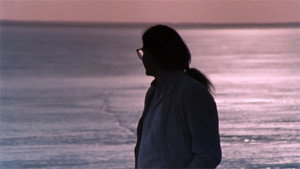
Foster Child
Gil Cardinal searches for his natural family and an understanding of the circumstances that led to his becoming a foster child. An important figure in the history of Canadian Indigenous filmmaking, Gil Cardinal was born to a Métis mother but raised by a non-Indigenous foster family, and with this auto-biographical documentary he charts his efforts to find his biological mother and to understand why he was removed from her. Considered a milestone in documentary cinema, it addressed the country’s internal colonialism in a profoundly personal manner, winning a Special Jury Prize at Banff and multiple international awards.
1987

Jack Kerouac's Road: A Franco-American Odyssey
Part documentary, part drama, this film presents the life and work of Jack Kerouac, an American writer with Québec roots who became one of the most important spokesmen for his generation. Intercut with archival footage, photographs and interviews, this film takes apart the heroic myth and even returns to the childhood of the author whose life and work contributed greatly to the cultural, sexual and social revolution of the 1960s.
1987
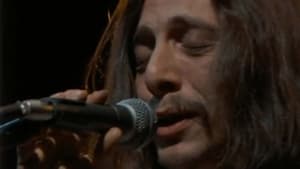
Harmonium in California
Through concerts and interviews, folk-progressive group Harmonium takes Quebec culture to California. This documentary full of colour and sound, filmed in California in 1978, recounts the ups and downs of the journey of the Quebec musical group Harmonium, who came to feel the pulse of Americans and see if culture, their culture, can succeed in crossing borders.
1980
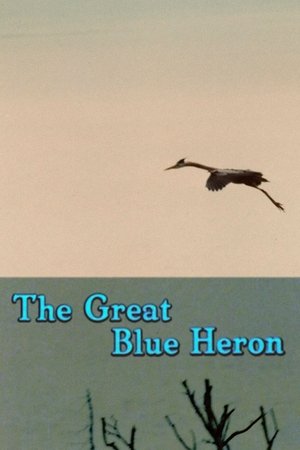
The Great Blue Heron
This film documents the yearly cycle of the great blue heron, its migration from Central America and the West Indies to the St. Lawrence River in Québec, and the breeding and rearing of its young. Outstanding footage shot by the filmmaker perched high in a tree affords close-ups of the birds' intricate courtship rituals. A sensitive, beautifully photographed nature film with much to tell us of ecology and wildlife.
1979
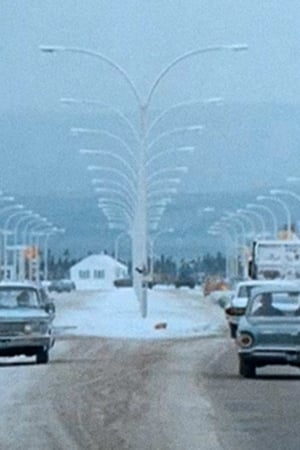
Québec...?
This short documentary film is a fascinating portrait of urban and rural Quebec in the late 1960s, as the province entered modernity. The collective work produced for the Quebec Ministry of Industry and Commerce calls on several major Quebec figures.
1967
Les héritiers
Gilles Groulx's first film shot in 1955 with a camera borrowed from his brother and edited during his spare time when he worked as an editor at the Radio-Canada news service a few years before he joined the NFB. Silent film, presented as its author left it, where the soil and the dialectic of Groulx's work are already there: documentary realism, the social space to be explored, daily life, the relationship between individual and society, social disparities, the consumer society, seduction and happiness.
1955