Watch Les héritiers (1955) Online Free
Gilles Groulx's first film shot in 1955 with a camera borrowed from his brother and edited during his spare time when he worked as an editor at the Radio-Canada news service a few years before he joined the NFB. Silent film, presented as its author left it, where the soil and the dialectic of Groulx's work are already there: documentary realism, the social space to be explored, daily life, the relationship between individual and society, social disparities, the consumer society, seduction and happiness.
More Like This

Buy Now! The Shopping Conspiracy
This subversive documentary unpacks the tricks brands use to keep their customers consuming — and the real impact they have on our lives and the world.
2024

Né un 14 Juillet
2024

Pussy Riot: Rage Against Putin
Pussy Riot make a comeback after a long absence to stand with Ukraine. Their story and their struggle are told through archival footage and interviews with the group’s members.
2023
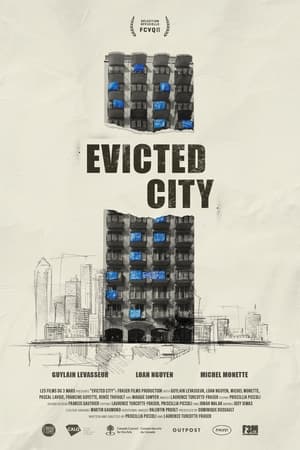
Evicted City
Montreal — one of the few remaining affordable cities in North America — is now in the midst of an unprecedented housing crisis. An intimate portrait of socio-political resistance, this multilayered film explores the human impact of real estate speculation on the cities of tomorrow.
2023
L'Homme de Rio - A vida loca
2022

SAQ : 100 ans d’histoire
To mark the 100th anniversary of the Société des alcools du Québec, Francis Reddy tells the exhilarating story of alcohol in Quebec from prohibition to promotion. With the help of historian Laurent Turcot and local producers, Reddy explores the unique relationship Quebecers have with alcohol and its place in their lifestyles over the years.
2021

P!nk: All I Know So Far
A behind-the-scenes look at P!NK as she balances family and life on the road, leading up to her first Wembley Stadium performance on 2019's "Beautiful Trauma" world tour.
2021
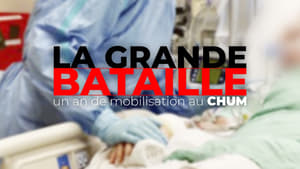
La grande bataille : un an de mobilisation au CHUM
In 2020, with the COVID-19 pandemic raging at historic proportions in the background, the Centre hospitalier de l’Université de Montréal (CHUM) decided it was its duty to posterity to document the crisis. The communications team took out the mics and cameras to capture what went on inside the hospital walls for one full year.
2021
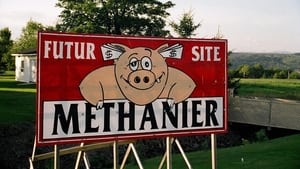
La bataille de Rabaska
2018
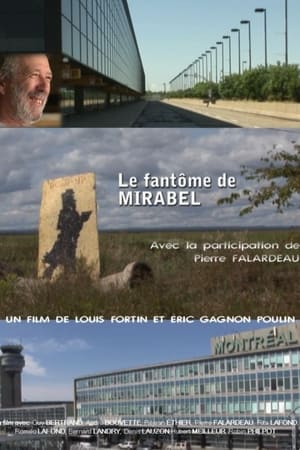
Le fantôme de Mirabel
2011
La dérive douce d’un enfant de Petit-Goâve
2009
The Dawn of Sound: How Movies Learned to Talk
Film historians, and survivors from the nearly 30-year struggle to bring sound to motion pictures take the audience from the early failed attempts by scientists and inventors, to the triumph of the talkies.
2007
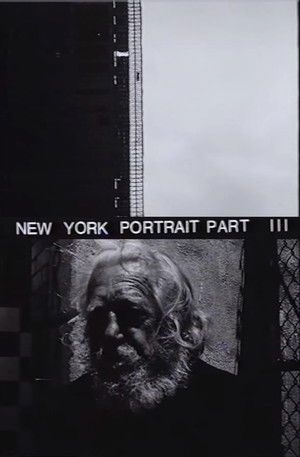
New York Portrait, Chapter III
"[Hutton’s] latest urban film, New York Portrait, Chapter III, takes on a unique tone in relation to Hutton’s ongoing exploration of rural landscape. The very fact that Hutton is dealing with older footage, with archives of memory more than immediacy, gives it a different texture than his earlier New York films. Hutton always found the presence of nature in the city, not only in his many shots of sky and vegetation, but also in the geometry and texture of the city itself, which seemed to project an independence from the human." (Tom Gunning)
1990
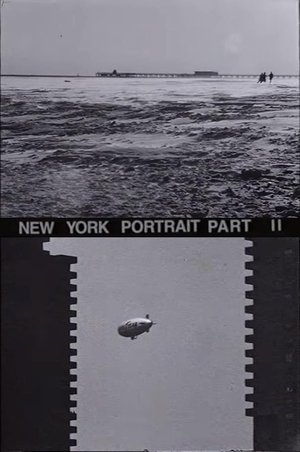
New York Portrait, Chapter II
Chapter Two represents a continuation of daily observations from the environment of Manhattan compiled over a period from 1980-1981. This is the second part of an extended life's portrait of New York.
1981
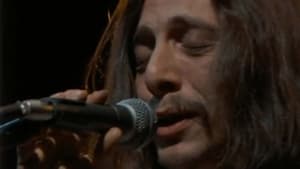
Harmonium in California
Through concerts and interviews, folk-progressive group Harmonium takes Quebec culture to California. This documentary full of colour and sound, filmed in California in 1978, recounts the ups and downs of the journey of the Quebec musical group Harmonium, who came to feel the pulse of Americans and see if culture, their culture, can succeed in crossing borders.
1980
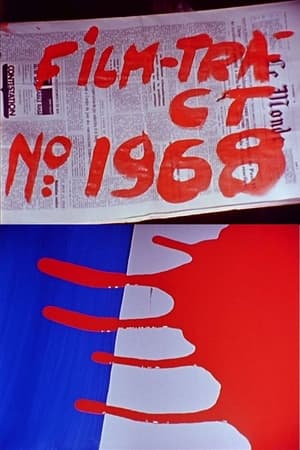
Film-Tract n° 1968
In the 1968 movement in Paris, Jean-Luc Godard made a 16mm, 3-minute long film, Film-tract No.1968, Le Rouge, in collaboration with French artist Gérard Fromanger. Starting with the shot identifying its title written in red paint on the Le Monde for 31 July 1968, the film shows the process of making Fromanger’s poster image, which is thick red paint flows over a tri-color French flag. —Hye Young Min
1968
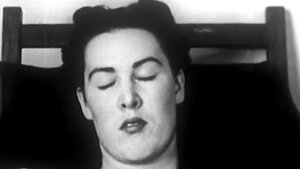
Photographic Studies in Hypnosis: Abnormal Psychology
Silent film showcasing hypnosis and its effects.
1938
Visions of Lourdes
Charles Dekeukeleire, then a questioning Catholic, was spurred into making this documentary on a pilgrimage with the Catholic Young Workers’ Movement. The director’s approach is one of critical reflection; A film emotional and fervent, even acerbic.
1932
Finlandia
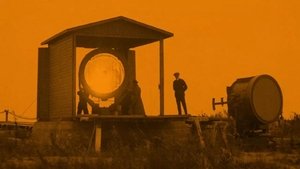
A documentary from Erkki Karu, one of the earliest pioneers of Finnish cinema: This government-produced propaganda film introduces the nature, sports, military, agriculture and capital of Finland.
1922
Nanook of the North
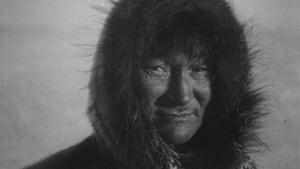
This pioneering documentary film depicts the lives of the indigenous Inuit people of Canada's northern Quebec region. Although the production contains some fictional elements, it vividly shows how its resourceful subjects survive in such a harsh climate, revealing how they construct their igloo homes and find food by hunting and fishing. The film also captures the beautiful, if unforgiving, frozen landscape of the Great White North, far removed from conventional civilization.
1922