Watch Silver Rivers (2002) Online Free
In 2001, the government of Quebec announced a new program to issue permits for the construction of private hydroelectric dams at specific sites. Upset, the population took things into their own hands and decided to act. Citizens formed collectives to protect their waterways, among the most beautiful in the province. This documentary follows several artist and citizen groups who led a crusade to force the Québec government to abandon private hydro-electrical production. It is a thorough inquiry on the environmental impact and other repercussions of such projects.
Cast
Gaston Lepage, Louis-Gilles Francoeur, Paul Piché, Geneviève Brouillette, Raôul Duguay, Roy Dupuis, Pierre Lebeau, Sylvie Legault, Huguette Oligny, Luis Oliva, Hélène Pedneault, Claire Petellier
More Like This
Healing Dolls
The testimonies of the Mashteuiatsh Puakuteu women's committee punctuate this intimate short film about mourning and healing. Throughout the doll-making workshops, the women share their doubts and hopes and build a space filled with strength and solidarity.
2026
Period Pieces
A century after a village and its paper mill were abandoned, a group of actors is tasked with recreating the fantasized daily life of its inhabitants.
2026
James Bay 1975: The Shock of Two Nations
A dive into the origins of two revolutions: the rapid expansion of Hydro-Québec with the construction of the La Grande hydroelectric power plant, a project championed by Premier Robert Bourassa, and the awakening of Indigenous nations. A clash of civilizations where two worldviews collide. Quebec, buoyed by the momentum of the Quiet Revolution, takes control of its destiny. Meanwhile, in the North, young Inuit and Cree rise up for the first time to protect what is most precious to them: their land and their culture. At the heart of the conflict is the James Bay construction site, the largest of its kind in North America.
2025
Les copains d'abord
2025

Jour de référendum
On the morning of October 30, 1995, tension was palpable throughout Quebec. On this Referendum Day, 15 years after René Lévesque chanted "À la prochaine fois!", would the people of Quebec say yes or no to their independence?
2025

Sylvie Vartan, vous et moi
Sylvie Vartan has had an extraordinary life: a Bulgarian child forced into exile, who became the icon of a youth in the midst of revolution in France. After a career spanning 64 years, with nearly 50 albums recorded and 40 million records sold, she has decided to bow out. During her farewell tour, the singer chose to open up to Augustin Trapenard.
2025
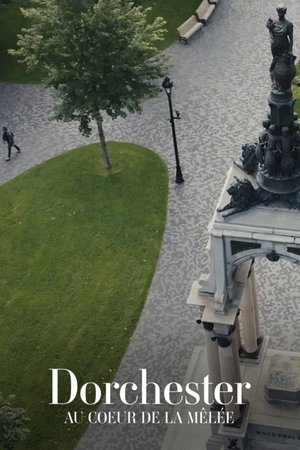
Dorchester: au coeur de la mêlée
Under Dorchester Square in Montreal lies the cemetery where 55,000 people were buried in the 19th century. The square is still at the heart of social conflicts in Quebec, 150 years later.
2025

Los lunes a las 9
Hybrid documentary about one of the most successful shows in Puerto Rican television history: ‘No te duermas’
2022

SAQ : 100 ans d’histoire
To mark the 100th anniversary of the Société des alcools du Québec, Francis Reddy tells the exhilarating story of alcohol in Quebec from prohibition to promotion. With the help of historian Laurent Turcot and local producers, Reddy explores the unique relationship Quebecers have with alcohol and its place in their lifestyles over the years.
2021

La grande bataille : un an de mobilisation au CHUM
In 2020, with the COVID-19 pandemic raging at historic proportions in the background, the Centre hospitalier de l’Université de Montréal (CHUM) decided it was its duty to posterity to document the crisis. The communications team took out the mics and cameras to capture what went on inside the hospital walls for one full year.
2021
Briser le code
2020

L'Adieu à Solférino
2019

La bataille de Rabaska
2018

Les Chinois dépannent
2018
Sylvie raconte Vartan
Fifty years after her first recording in Nashville, Sylvie Vartan decided to record the album she sings on to mark this anniversary there. In one of the songs, she says: I have forged my own path, without turning back. Leaving my mistakes behind me. I ventured into unknown territory, avoiding pitfalls, and I came back. It is on this "road," both public and personal, starting from her native Bulgaria to Paris, passing through a thousand places around the world, traversing fashions and overcoming the trials of an extraordinary life, that this film sets out to illuminate the trajectory of a shy young girl who became an international icon and a resolutely free woman.
2015
Who We Are
Autism spectrum disorder (DSA) - It is not what they have, but what they are, who they are. They are Felix, Anthony, Marc and Brigitte. They are different.
2013
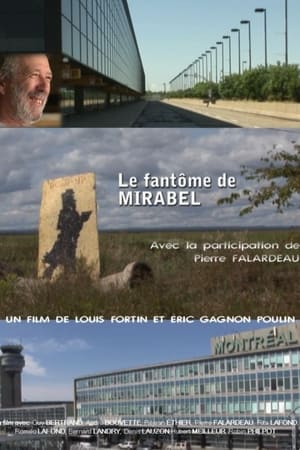
Le fantôme de Mirabel
2011

I Still Love Them
Michel is the charismatic subject of this documentary about following your sex drive. Sharing unique life experiences with great verve, an aging lothario strikes an honest and simply unforgettable pose.
2010
Harmonium in California
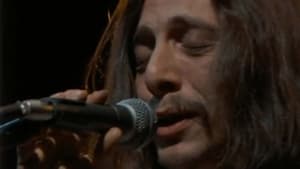
Through concerts and interviews, folk-progressive group Harmonium takes Quebec culture to California. This documentary full of colour and sound, filmed in California in 1978, recounts the ups and downs of the journey of the Quebec musical group Harmonium, who came to feel the pulse of Americans and see if culture, their culture, can succeed in crossing borders.
1980
Nanook of the North
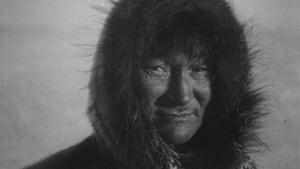
This pioneering documentary film depicts the lives of the indigenous Inuit people of Canada's northern Quebec region. Although the production contains some fictional elements, it vividly shows how its resourceful subjects survive in such a harsh climate, revealing how they construct their igloo homes and find food by hunting and fishing. The film also captures the beautiful, if unforgiving, frozen landscape of the Great White North, far removed from conventional civilization.
1922