Watch A Breton Anger (1961 - 1981) (2007) Online Free
In the mid-1960s, Bretons took direct action against the French state. What were the origins and causes of this fervor, sung by Glenmor, the bard of this angry Brittany, from which young people had to emigrate to find a future?
Cast
Jean Bothorel, Roger Calvez, Pierre Chapalain, Yann Choucq, Charlez Ar Gall, Michel Herjean, Roland Kerhousse, Jean-Yves Lesouëf, Per Loquet, Joseph Martra, Guy Menez, Ronan Le Prohon
More Like This

Writing Hawa
Afghan documentary maker Najiba Noori offers not only a loving and intimate portrait of her mother Hawa, but also shows in detail how the arduous improvement of the position of women is undone by geopolitical violence. The film follows the fortunes of Noori’s family, who belong to the Hazaras, an ethnic group that has suffered greatly from discrimination and persecution.
2025
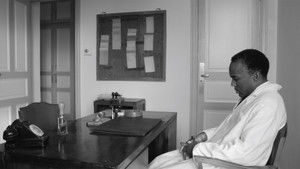
True Chronicles of the Blida Joinville Psychiatric Hospital in the Last Century, when Dr Frantz Fanon Was Head of the Fifth Ward between 1953 and 1956
1953, colonized Algeria. Fanon, a young black psychiatrist is appointed head doctor at the Blida-Joinville Hospital. He was putting his theories of ‘Institutional Psychotherapy’ into practice in opposition to the racist theories of the Algies School of Psychiatry, while a war broke out in his own wards.
2025
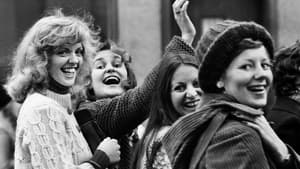
The Day Iceland Stood Still
When 90% of Iceland’s women walked off the job and out of their homes one morning in 1975, they brought their country to its knees and catapulted Iceland to the forefront of today's global fight for gender equality. Unexpectedly funny, laced with evocative animation and powerfully told by the women who lived it – this is the true story of 12 hours that launched a revolution.
2025
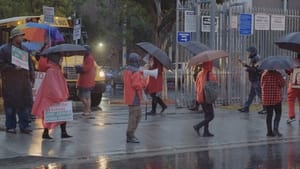
When We Fight
In the second largest school district in the United States, 98% of teachers vote to authorize a strike. Watch as one of the largest educator strikes in modern U.S. history unfolds in real-time, highlighting the stories and leadership of some of the women who led it, from union leaders to classroom teachers. From strike vote to contract vote, When We Fight goes behind the picket lines, documenting how and why teachers strike. "This powerful and beautifully crafted film is a must watch for anyone interested in the state of labor in America today." - Robert Reich, former Secretary of Labor and Professor of Public Policy, UC Berkeley
2023

Let's Rise Up
On 9 July 2021, the 422 workers at the GKN factory in Campi Bisenzio near Florence received their dismissal, by email. They immediately met in front of the factory, scared away the management's bodyguards and have been holding an open-ended meeting at the factory ever since. In June of 2022, they talk about how they are rooted in the territory, why 30,000 people demonstrated with them. They explain why they put their struggle under the slogan "Insorgiamo!" ("Let's rise up!"), the slogan of the italian partisans who liberated Florence in 1944. But they also talk about their collaboration with climate activists and what they would like to produce. But as things stand today, it is not the workers who are responsible for the ecological damage caused by production: "Nobody asked me what I would like to produce when they hired me. They hired me and that was it."
2022
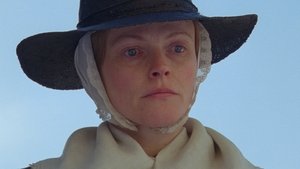
Fanny Lye Deliver'd
On an isolated English farm in 1657, Fanny lives a quiet life with her oppressive husband John and their young son. One day their life is rocked with the arrival of young couple Thomas and Rebecca who claim to have been robbed and need a place to stay. But are these strangers really who they say they are?
2019
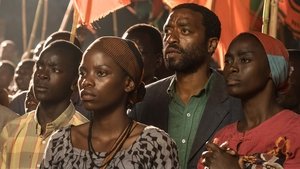
The Boy Who Harnessed the Wind
Against all the odds, a thirteen year old boy in Malawi invents an unconventional way to save his family and village from famine.
2019
The Lost World of the Seventies
Michael Cockerell sheds new light on the tragi-comedy of the 1970s by focusing on some of its most controversial characters. With fresh filming and new interviews, along with a treasure trove of rare archive, the film presents the inside story of giant personalities who make today's public figures look sadly dull in comparison. The well-known journalist revisits some of his films on the big characters who helped shaped the 1970s in Britain. Both tragic and comic, it highlights just how much our world has changed in four decades.
2012

The Fallacy
The current trend to render prostitution a profession "as any other" is belied by women who were themselves prostitutes. With clarity and courage, the women in this film reveal the hidden face of that so-called "sex work". They are 22, 34 or 48 years old; they live in Montreal, Quebec and Ottawa - They have recently given up prostitution, or are trying to escape it. These women are leading the bitter fight to turn their lives around and it is a long and lonely struggle fraught with difficulties. Shot in a Cinéma Vérité style, The Fallacy (L'imposture) takes us to the heart of their realities.
2010
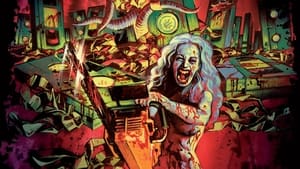
Video Nasties: Moral Panic, Censorship & Videotape
A documentary analyzing the furore which so-called "video nasties" caused in Britain during the 1980s.
2010
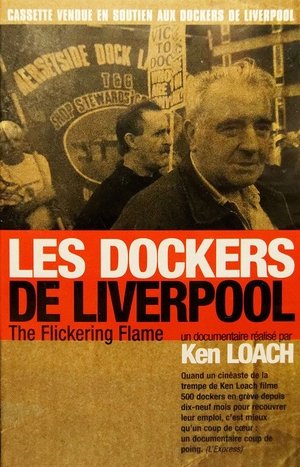
The Flickering Flame
Documentary following dockers of Liverpool sacked in a labour dispute and their supporters’ group, Women of the Waterfront, as they receive support from around the world and seek solidarity at the TUC conference.
1996
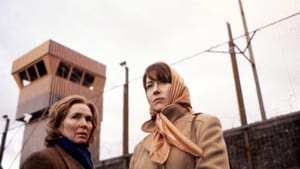
Some Mother's Son
Based on the true story of the 1981 hunger strike in a British prison, in which IRA prisoner Bobby Sands led a protest against the treatment of IRA prisoners as criminals rather than as prisoners of war. The film focuses on the mothers of two of the strikers, and their struggle to save the lives of their sons.
1996
The Future of '36
This film offers a deeply personal and emotional exploration of history through the eyes of a young Belgian woman traveling in Spain. By contrasting the 1936 anarcho-syndicalist revolution in Catalonia with mid-century European movements like May ’68, the narrative weaves together her personal heritage and political ideals. It acts as a subjective homage to freedom and utopia, questioning whether the optimistic spirit of 1936 and 1976 can ultimately survive the relentless, demoralizing weight of state power.
1983
Gandhi
In the early years of the 20th century, Mohandas K. Gandhi, a British-trained lawyer, forsakes all worldly possessions to take up the cause of Indian independence. Faced with armed resistance from the British government, Gandhi adopts a policy of 'passive resistance', endeavouring to win freedom for his people without resorting to bloodshed.
1982
Man of Iron
In Warsaw in 1980, the Communist Party sends disgruntled radio reporter Winkel to Gdańsk to dig up dirt on the shipyard strikers - particularly on Maciek Tomczyk, an independent labour union leader whose father was killed in the December 1970 protests. Posing as sympathetic, Winkel interviews the people surrounding Tomczyk, including his detained wife, Agnieszka.
1981
Railway Station
Warsaw's Central Railway Station. 'Someone has fallen asleep, someone's waiting for somebody else. Maybe they'll come, maybe they won't. The film is about people looking for something.
1980
Land of Silence and Darkness
Through examining Fini Straubinger, an old woman who has been deaf and blind since her teens, and her work on behalf of other deaf-blind people, this film shows how the deaf-blind struggle to understand and accept a world from which they are almost wholly isolated.
1971
Culloden
Culloden, Scottish Highlands, April 16th, 1746. It was one of the most mishandled and brutal battles ever fought in Great Britain. Its aftermath was tragic. The men responsible for such a disaster must be exposed. The men, women and children who suffered because of it must be remembered.
1964
Salt of the Earth
At New Mexico's Empire Zinc mine, Mexican-American workers protest the unsafe work conditions and unequal wages compared to their Anglo counterparts. Ramon Quintero helps organize the strike, but he is shown to be a hypocrite by treating his pregnant wife, Esperanza, with a similar unfairness. When an injunction stops the men from protesting, however, the gender roles are reversed, and women find themselves on the picket lines while the men stay at home.
1954
All Lines
This was a news film with elements of reenactment. From December 1927 to 1932, 2,000 bus and train drivers were fired, provoking a strike. This film was edited out of footage shot from that strike over a long period.
1932