Watch The Lost World of the Seventies (2012) Online Free
Michael Cockerell sheds new light on the tragi-comedy of the 1970s by focusing on some of its most controversial characters. With fresh filming and new interviews, along with a treasure trove of rare archive, the film presents the inside story of giant personalities who make today's public figures look sadly dull in comparison. The well-known journalist revisits some of his films on the big characters who helped shaped the 1970s in Britain. Both tragic and comic, it highlights just how much our world has changed in four decades.
Cast
Michael Cockerell
More Like This
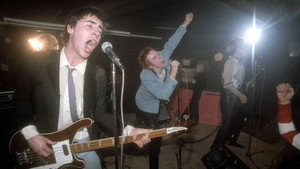
I Was a Teenage Sex Pistol
Experience the Pistols' rise to global infamy with an honest, insightful account of a group of malcontents, determined to change the music business and to attack hypocrisy and stale conventions in society at large. Based off the novel written by Glen Matlock, one of the founding members of the Sex Pistols who co-wrote ten of twelve iconic songs on their only studio album, NEVER MIND THE BOLLOCKS. Glen describes in detail the mindset of the UK in the early 70's and divulges a mine of information; Steve's thievery, Wally Nightingale, the search for a singer, the exploding punk scene and a bleak backdrop providing a contrast to the excitement and energy of McLaren's shop. The public will now have a chance to hear the story, not just from a member of the band, but also from a man who had his contributions exceptionally downplayed.
2026
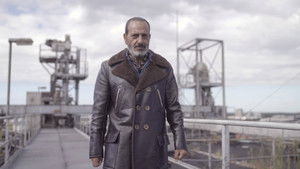
De ochtend van '75
Friday, November 7, 2025, marks the fiftieth anniversary of the devastating explosion at the chemical company DSM in the Limburg town of Beek. Kefah Allush takes viewers back to this momentous day. The disaster is depicted through eyewitness accounts, personal memories, and impressive visualizations.
2025
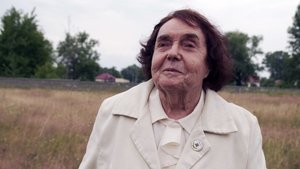
Among Neighbors
Combining magical realism and evocative hand-drawn animation with revelatory interviews and verité footage, "Among Neighbors" examines the story of a small, rural town where Jews and Polish Catholics lived side by side for centuries before World War II. The film brings the Polish response to the Holocaust to life through the last living eyewitnesses, revealing both love and betrayal as it zeroes in on one of the last living Holocaust survivors from the town, and an aging eyewitness who saw Jews murdered there — not by Nazis, but by her own Polish neighbors. Produced and directed by award-winning filmmaker Yoav Potash ("Crime After Crime," Sundance Film Festival).
2024
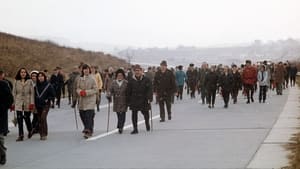
Der Ölschock von 1973 - Autofreie Sonntage
On November 25, 1973, the first of four car-free Sundays transformed West Germany's deserted highways into spaces for walking, cycling, and horse-drawn carriages, while towns and cities took on a festive atmosphere. Introduced during the oil crisis to conserve fuel after the Arab oil embargo and production cuts following the Yom Kippur War, the measure became an unforgettable collective experience. Beyond the immediate energy shortage, the crisis marked a turning point, ending the postwar economic boom and encouraging greater awareness of energy use, consumerism, and environmental issues.
2023
St. Mark’s School "Go Lions Go!"
A documentation of the year of high school of 1970 to 1971 for students and teachers alike at the St. Mark prep-school community, from the 'weird drama and film students', to the most infamous teachers of the year like Mr. Burns and Mr. Whatley, along with many references to music and film of interest at the time; Consistently from the perspective of an intrusive senior, according to Mr. Whatley, "had the worst case of senioritis he had ever seen." Shot entirely in Super-8, narrated by the director.
2022
Big Family: The Story of Bluegrass Music
Examine the history of bluegrass music, from its origins to its eventual worldwide popularity, and hear from dozens of musicians who explain the ways bluegrass music transcends generational, cultural and geographic boundaries.
2019
Frank Serpico
In 1972, officer Frank Serpico exposes the corruption which poisons the roots of the NYPD and becomes famous in 1973 when director Sidney Lumet tells his story in the classic film “Serpico,” starring Al Pacino.
2017
The L.A. Riots: 25 Years Later
HISTORY brings you an all-encompassing documentary event cantered around the 25th anniversary of the LA Riots, the most destructive riot in American history that left 53 people dead and caused over a billion dollars in damage.
2017
Raphael: The Lord of the Arts
Raphael: The Lord of the Arts is a documentary about the 15th century Italian Renaissance painter Raphael Sanzio.
2017

The Feminist Library
The Feminist Library: A Short Film was made in support of the Save the Feminist Library Campaign, documenting a crucial moment in the library's herstory as it fights for its very survival. Shortlisted for the Women's History Network Community Prize, the film revisits the story of the library's inception and emphasises why feminism remains essential today.
2016
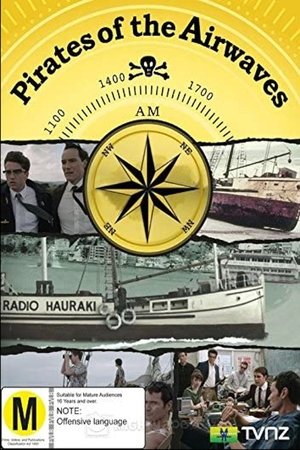
Pirates of the Airwaves
In 1966 a group of determined young men defied the New Zealand government and launched a pirate radio station aboard a ship in the Hauraki Gulf.
2014
American Swing
Chronicles the rise and fall of 1970s New York City nightclub Plato's Retreat.
2009
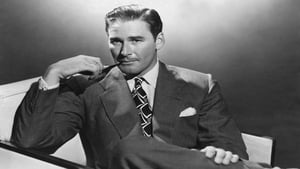
Tasmanian Devil: The Fast and Furious Life of Errol Flynn
The story of Tasmanian-born actor Errol Flynn whose short & flamboyant life, full of scandals, adventures, loves and excess was largely played out in front of the camera - either making movies or filling the newsreels and gossip magazines. Tragically he was dead from the effects of drugs and alcohol by the time he was only 50 & the myths live on. But there is another side of Flynn that is less well known - his ambitions to be a serious writer and newspaper correspondent, his documentary films and his interest in the Spanish Civil War and Castro's Cuba
2007
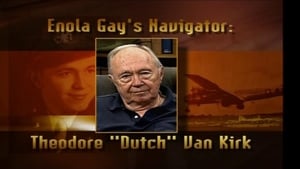
Enola Gay's Navigator: Theodore (Dutch) Van Kirk
Theodore "Dutch" Van Kirk navigated the first atomic bombing mission in Hiroshima, Japan, and later participated in the first Bikini Atoll atomic bomb tests.
2007
Easy Riders, Raging Bulls: How the Sex 'n' Drugs 'n' Rock 'n' Roll Generation Saved Hollywood
The chronicle of the mind-blowing journey that was Hollywood during the seventies; the true and gripping story of the last golden age of American cinema, an exalted celebration of creativity and experimentation; but also of sex, drugs and rock 'n' roll: a turbulent and dark tale of ambition, envy, betrayal, hatred and self-destruction.
2003

West Point: The First 200 Years
A documentary about the United States Military Academy at West Point that conveys the vibrancy, sense of fraternity and fierce loyalty that mark the West Point experience.
2002
Nikola Tesla: The Genius Who Lit the World
Nikola Tesla is considered the father of our modern technological age and one of the most mysterious and controversial scientists in history.
1994
Jews
JEWS excavates a lost world of manners and ritual in home movies shot by several Chicago families from the 1920s through the 1940s. Much as in similar found footage soliloquies by Péter Forgács, Jay Rosenblatt and Ken Jacobs, director Roger Deutsch wrings unexpected pathos from mundane traces of the past. Children mug for the camera with dances of the day, upright mothers march their strollers up the avenue, men smoke, the family gathers around the table to light the candles. The bare title cannot help but raise the specter of contemporaneous events in Europe, lending an extra degree of urgency to the film's meditation on disappearance. - Max Goldberg
1984
New Country - New People
A documentary about the history of settler groups that came to New Zealand from Europe.
1978
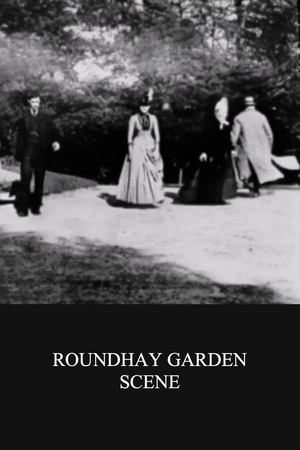
Roundhay Garden Scene
The earliest surviving motion-picture film, and believed to be one of the very first moving images ever created, was shot by Louis Aimé Augustin Le Prince using the LPCCP Type-1 MkII single-lens camera. It was taken on paper-based photographic film in the garden of Oakwood Grange, the Whitley family house in Roundhay, Leeds, West Riding of Yorkshire (UK), on 14 October 1888. The film shows Adolphe Le Prince (Le Prince’s son), Mrs. Sarah Whitley (Le Prince’s mother-in-law), Joseph Whitley, and Miss Harriet Hartley walking around in circles, laughing to themselves, and staying within the area framed by the camera. Roundhay Garden Scene is often associated with a recording speed of around 12 frames per second and runs for about 2 to 3 seconds.
1888