Watch The Future of '36 (1983) Online Free
This film offers a deeply personal and emotional exploration of history through the eyes of a young Belgian woman traveling in Spain. By contrasting the 1936 anarcho-syndicalist revolution in Catalonia with mid-century European movements like May ’68, the narrative weaves together her personal heritage and political ideals. It acts as a subjective homage to freedom and utopia, questioning whether the optimistic spirit of 1936 and 1976 can ultimately survive the relentless, demoralizing weight of state power.
Cast
Françoise Binder, Andrés Capdevila, Francisco Carrasquer, Félix Carrasquer, Brigida Costa, José Costa, Mathilde Escuder, Lola Iturbe, Arthur Lehning, Ramon Teixidor
More Like This
Don't Let The Bastards Grind You Down
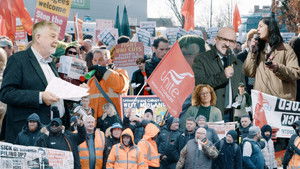
"Don't Let The Bastards Grind You Down" is a documentary film about British social policy. The focus is on the political struggle against neoliberal austerity policies, which have their origins in the hated Thatcher government. The film features the former socialist MP Dave Nellist, who is now the national chair of the Trade Unionist & Socialist Coalition and Hannah Sell, the general secretary of the Socialist Party. The film features a local election campaign in the miners' town of Nuneaton, students campaigning against an increase in tuition fees and refuse workers from Birmingham striking against massive cuts to their wages.
2026

The Day Iceland Stood Still
When 90% of Iceland’s women walked off the job and out of their homes one morning in 1975, they brought their country to its knees and catapulted Iceland to the forefront of today's global fight for gender equality. Unexpectedly funny, laced with evocative animation and powerfully told by the women who lived it – this is the true story of 12 hours that launched a revolution.
2025

8/1 – A Democracia Resiste
Unpublished images and exclusive testimonies from the main figures in power who tell how they faced the coup threat of January 8, 2023, a recent trauma in the country's history and revealing something that still remains hidden.
2024
When We Fight
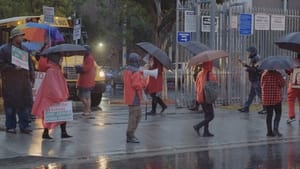
In the second largest school district in the United States, 98% of teachers vote to authorize a strike. Watch as one of the largest educator strikes in modern U.S. history unfolds in real-time, highlighting the stories and leadership of some of the women who led it, from union leaders to classroom teachers. From strike vote to contract vote, When We Fight goes behind the picket lines, documenting how and why teachers strike. "This powerful and beautifully crafted film is a must watch for anyone interested in the state of labor in America today." - Robert Reich, former Secretary of Labor and Professor of Public Policy, UC Berkeley
2023
Let's Rise Up
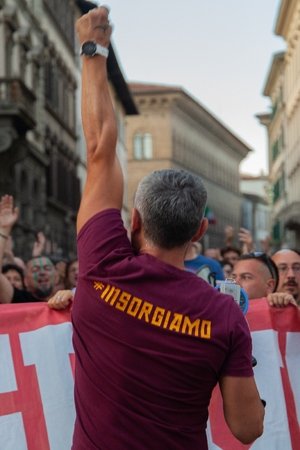
On 9 July 2021, the 422 workers at the GKN factory in Campi Bisenzio near Florence received their dismissal, by email. They immediately met in front of the factory, scared away the management's bodyguards and have been holding an open-ended meeting at the factory ever since. In June of 2022, they talk about how they are rooted in the territory, why 30,000 people demonstrated with them. They explain why they put their struggle under the slogan "Insorgiamo!" ("Let's rise up!"), the slogan of the italian partisans who liberated Florence in 1944. But they also talk about their collaboration with climate activists and what they would like to produce. But as things stand today, it is not the workers who are responsible for the ecological damage caused by production: "Nobody asked me what I would like to produce when they hired me. They hired me and that was it."
2022

Ecos de huelga
2021
Vigo 1972
‘VIGO 1972’ narrates the events which took place in Vigo in September 1972, when the firing of five Citröen auto workers resulted in the largest general strike in the history of Galicia — with over thirty thousand workers — all of this during the Franco dictatorship in Spain.
2017

Play On
What happens when subcontracted precarious workers turn into podcast DJ. Subcontracted precarious workers at the SK Broadband, Inc. began a podcast titled ‘Workers Have Changed!’ to broadcast the story about their strike for job security. The podcast studio becomes a theater of their life as they share their stories - daily hardshipsof subcontracted labor, coping with rude customers, and their futures and dreams.
2017
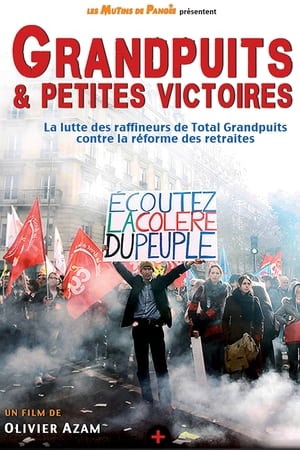
Grandpuits & petites victoires
2011

Les 16 de Basse-Pointe
2009
La Vie sexuelle des Belges partie 3 - Fermeture de l'usine Renault à Vilvoorde
The Renault factory in Belgium must close down. Nobody can believe it. We follow the investigations by the director who is at the heart of the action and who interviews main politicians, the workers who violently protest and the direction. In the fiction part the president-director of Renault, Schweitzer is killed by one of the workers.
1999
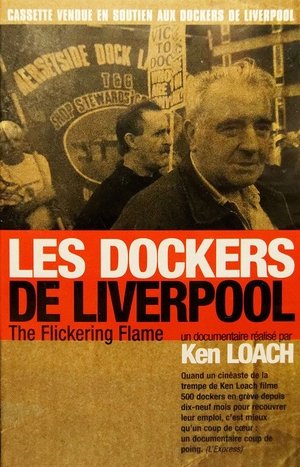
The Flickering Flame
Documentary following dockers of Liverpool sacked in a labour dispute and their supporters’ group, Women of the Waterfront, as they receive support from around the world and seek solidarity at the TUC conference.
1996
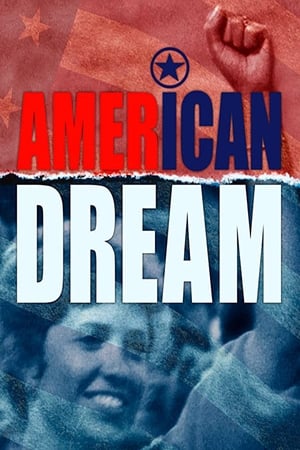
American Dream
When workers at the Hormel meatpacking plant in Austin, Minnesota are asked to take a substantial pay cut in a highly profitable year, the local labor union decides to go on strike and fight for a wage they believe is fair. But as the work stoppage drags on and the strikers face losing everything, friends become enemies, families are divided and the very future of this typical mid American town is threatened.
1990
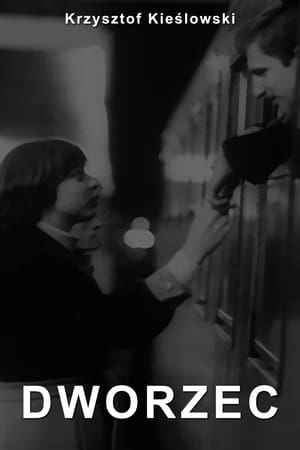
Railway Station
Warsaw's Central Railway Station. 'Someone has fallen asleep, someone's waiting for somebody else. Maybe they'll come, maybe they won't. The film is about people looking for something.
1980
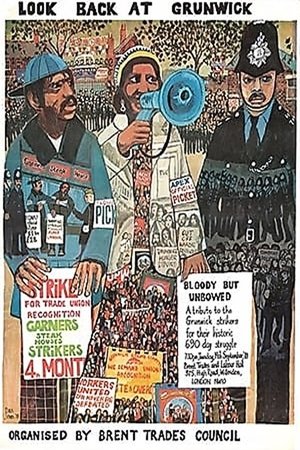
Look Back at Grunwick
A RECORD OF THE STRIKE AT GRUNWICK IN 1977. The story of the continuing struggle at Grunwick’s by mainly Indian workers, from July 11th, 1977 until the struggle was lost. It shows the Special Patrol Group attack on the November 7th day of action, how the leadership of the struggle was taken out of the hands of the strike committee, how some of the strike leaders were disciplined by their own union for going on hunger strike outside the TUC in protest at the TUC’s inactivity, and how the post office workers were forced by their union to end their blacking of Grunwick mail. It also shows the beginnings of the similar struggle by immigrant workers at Garner’s Steak Houses in London.
1980
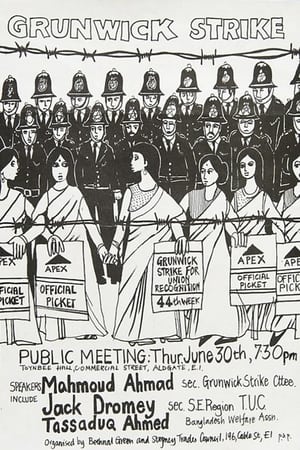
Stand Together!
'Stand together!', a film on the "mass day of solidarity" on 11 July 1977, was made in 1977 for the Grunwick Strike Committee by the Newsreel Collective, of which Chris Thomas was a member, and members of the Association of Cinematograph, Television and Allied Technicians (ACTT) and the Transport and General Workers' Union.
1977
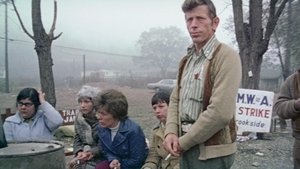
Harlan County U.S.A.
This film documents the coal miners' strike against the Brookside Mine of the Eastover Mining Company in Harlan County, Kentucky in June, 1973. Eastover's refusal to sign a contract (when the miners joined with the United Mine Workers of America) led to the strike, which lasted more than a year and included violent battles between gun-toting company thugs/scabs and the picketing miners and their supportive women-folk. Director Barbara Kopple puts the strike into perspective by giving us some background on the historical plight of the miners and some history of the UMWA. Preserved by the Academy Film Archive in partnership with New York Women in Film & Television in 2004.
1977
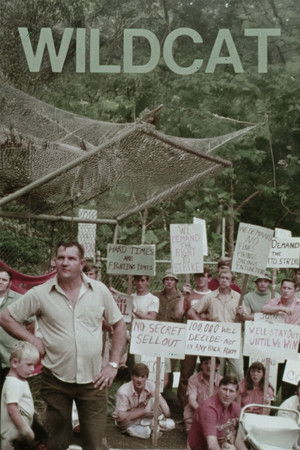
Wildcat
During the 1975 wildcat strike in Appalachia, tens of thousands of coal miners walk off the job to defend their right to strike, as cameras capture the struggle from inside the movement.
1977
The Walls Come Tumbling Down
A 1975 documentary short about a strike being conducted by public-housing residents in St. Louis.
1975
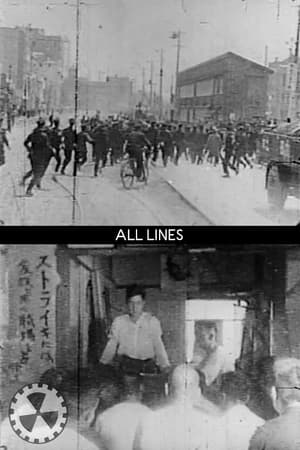
All Lines
This was a news film with elements of reenactment. From December 1927 to 1932, 2,000 bus and train drivers were fired, provoking a strike. This film was edited out of footage shot from that strike over a long period.
1932