Watch Yearning for Sodom (1989) Online Free
Made during the last months of actor Kurt Raab, who died of AIDS in 1988. Raab, who had worked in both theatre and film, most notably with Fassbinder, was in the process of making a series of video sketches for a new production when he learned that he had AIDS. Despite his deteriorating health, and with the caring support of his friend Hans Hirshmuller, he carried on working. This tape is his last testimony.
Cast
Kurt Raab, Hans Hirschmüller, Ingrid Caven, Anke Oehme, Conni Moré
More Like This
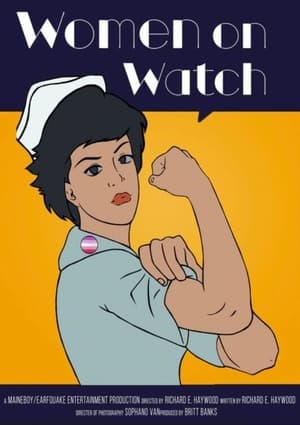
Women on Watch
A mini documentary about the untold contributions lesbians made during the A.I.D.S epidemic.
2021
Archivos VIH/sida: historias y voces de una pandemia
2021

Queen of Hearts
The story of ten trans girls who form a co-op theatre to be able to stop working as prostitutes. The protagonists tell us their dreams, show their daily struggles and share their experiences and realities to be accepted and belong to society as well.
2019
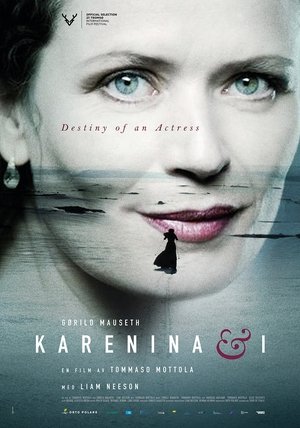
Karenina & I
The actor Gøril Mauseth goes on a 11.000 kilometer travel with the Trans-Siberian to play Anna Karenina in a new language in Leo Tolstoj's Russia, discovering the language, and the reasons Tolstoj wrote what he wrote, changing her forever.
2017
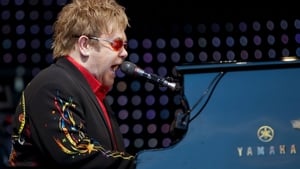
Elton John: A Singular Man
An in-depth portrait of British composer, pianist and singer Elton John, pop star and myth of modern culture.
2016
Curtain Call
Fifty years ago, aspiring thespians Terry and Carole Ann Gill arrived in Australia from England seeking fame and fortune. But they never quite made the big time. Instead they stumbled into the curious world of children's pantomimes. Over the decades, they have built a successful business and touched the lives of generations of children; but their own dreams have slowly faded. Now aged in their 70s, with their beloved theatre under threat from a greedy property developer, Terry and Carole Ann's careers appear to be coming to an untimely close. As they battle to remain open, they are forced to reflect on the choices they have made in their lives.
2014
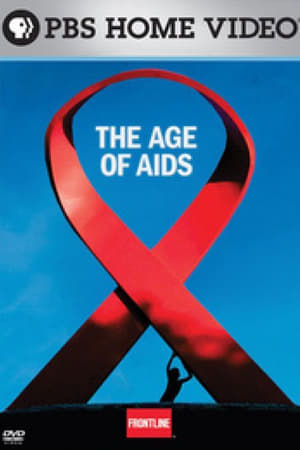
The Age of AIDS
After a quarter-century of political denial and social stigma, of stunning scientific breakthroughs, bitter policy battles and inadequate prevention campaigns, HIV/AIDS continues to spread rapidly throughout much of the world. Through interviews with AIDS researchers, world leaders, activists, and patients, FRONTLINE investigates the science, politics, and human cost of this fateful disease and asks: What are the lessons of the past, and what can be done to stop AIDS?
2006
Miss Julie: 100 Years in the Limelight
Documentary about the play Miss Julie and dramatist August Strindberg
2006
Repetitioner
The theatre 7:3 project was conducted at the Tidaholm prison 1998-1999. What started as an artistic experiment, ended up in police killings at Malexander. The process in the prison were filmed during 6 months.
2005
Fight Back, Fight AIDS: 15 Years of ACT UP
A look at the ACT UP movement from its inception to the present day.
2002
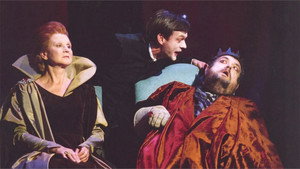
Hamlet: This Is Your Family
A provocative and ironic pamphleteering documentary about the making of Christoph Schlingensief’s Nazi-'Hamlet’ (2001). Both a media event and a form of political action Schlingensief let ex-neo-Nazis play themselves. His provocation in so-called Nazi-free Switzerland was not appreciated and when he added fuel to the flames by calling for the local political party SVP to be banned, his media offensive made front-page news far beyond Switzerland.
2001
Patrice Chéreau, Pascal Greggory, une autre solitude
A look at the entire process of creating and developing Patrice Chéreau’s third staging of "In the Solitude of Cotton Fields" by Bernard Marie Koltès with Pascal Greggory and Chéreau himself. From the first reading around the table through the first contact with the performance space, rehearsals and lighting to opening night, the entire creative process unfurls in front of our eyes. The film shows us the evolving and ongoing dialogue between Greggory and Chéreau, a dialogue full of crises and magical moments of harmony and insight via which the truth, intensity, complexity, mystery and depth of Koltès’ text gradually emerge to form an implicit bond between these two men. The film also shows Chéreau directing rehearsals for Mozart’s "Don Giovanni" in Salzburg, revealing both the unity of and profound differences between his opera and theater work.
1996
But... Seriously
A documentary juxtaposing the events of the 20th century with the commentary of stand-up comedians.
1994
No Regret
Five gay Black men who are HIV-positive discuss how they are battling the double stigmas surrounding their infection and homosexuality.
1993
(In)Visible Women
Women who are HIV-positive discuss how they "came out" about their infection and became politically active.
1991
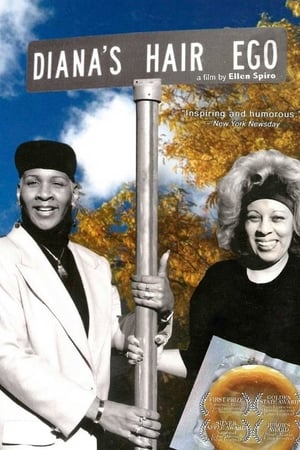
DiAna's Hair Ego: AIDS Info Up Front
A documentary film about AIDS and one unconventional woman's efforts to educate her small, Southern community. DiAna DiAna is a local hairdresser who transformed her beauty parlor into a center for AIDS and safe sex information.
1990
Stiff Sheets
Stiff Sheets indicts public health officials and politicians for the lack of adequate and humane care for people with AIDS in Los Angeles, this time documenting a mock fashion show staged by ACT UP activists.
1989
Danny
A moving personal documentary about Danny, a friend of Kybartas who died of an AIDS-related illness in 1986. This powerful work explores the reason for Danny’s return home and his attempts to reconcile his relationship with his family members who had difficulty facing his homosexuality and his imminent death.
1987
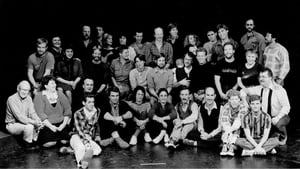
The AIDS Show
A recording of a play about the intangible impacts AIDS has on a community. This is a moving, beautifully photographed combination of theater and documentary that captures the incredible excitement of live theater and intensifies the power of the play's message.
1986
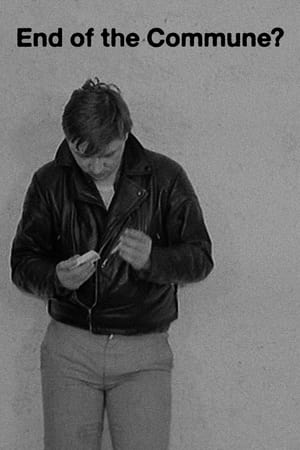
End of the Commune?
A documentary about Fassbinder and the early years of the legendary Antiteater, the group he was a member/leader of. You can here see and hear some of the actors he was going to use in his movies for the next years. The movie shows rehearsals for his play "The Coffeehouse," which also became a television movie, and you can watch unique footage from the 19th Film Festival in Berlin (1969) where "Love is Colder Than Death" was shown. As told in this documentary, his first feature movie was given a cold shoulder by many of the journalists and visitors at the festival. You can in "End of the Commune" watch Fassbinder and actor Ulli Lommel walk out on stage after the opening of "Love is Colder Than Death,” while a man in the audience is shouting "Out with the director!” In this documentary, Fassbinder also talks a lot about his father, who was a respectable doctor.
1970