Watch Ways of Knowing: A Navajo Nuclear History (2025) Online Free
The American Southwest holds a dark legacy as the place where nuclear weapons were invented and built. Navajo people have long held this place sacred, and continue to fight for a future that transcends historical trauma. This is their story.
Cast
Sunny Dooley, Tina Garnanez, Tommy Rock, Janene Yazzie, Bobby Leonard Mason
More Like This
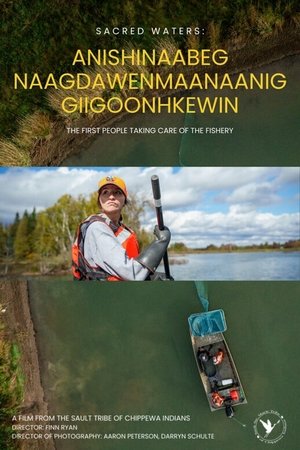
Sacred Waters: Anishinaabeg Naagdawenmaanaanig Giigoonhkewin
"The First People Taking Care of the Fishery" are the Sault Tribe of Chippewa Indians, the largest indigenous tribe east of the Mississippi. For generations, they have been stewarding the fisheries of their Great Lakes territory in Michigan's Upper Peninsula. This project explores the cultural and economic importance of the fishery to the tribe and how use historic and sustainable practices to ensure a healthy fishery and preserve their way of life for the next seven generations in the face of climate change and invasive species.
2025

The Conqueror: Hollywood Fallout
The story of one of the great environmental disasters to befall the United States, and the terrible movie that helped bring the catastrophe to light.
2024
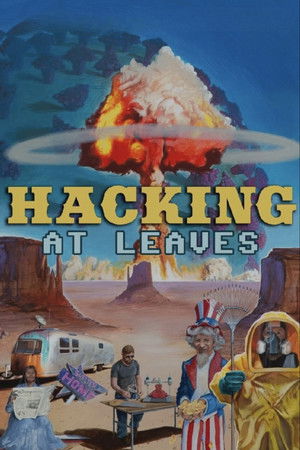
Hacking at Leaves
Hacking at Leaves documents artist and hazmat-suit aficionado Johannes Grenzfurthner as he attempts to come to terms with the United States' colonial past, Navajo tribal history, and the hacker movement. The story hones in on a small tinker space in Durango, Colorado, that made significant contributions to worldwide COVID relief efforts. But things go awry when Uncle Sam interferes with the film's production.
2024

Meet Me at the Creek
Waters’ LIFT project, ᏗᏂᏠᎯ ᎤᏪᏯ (Meet Me at the Creek), is the fourth of a quartet of films, and focuses on interconnectedness and Cherokee values through the lifelong fight of Rebecca Jim, a Cherokee Nation citizen and waterkeeper warrior, as she leads the effort to restore Tar Creek in Miami, Oklahoma.
2024

Scenes from the Glittering World
At the farthest edge of the Navajo Nation, the purpose and future of the most remote high school in the continental United States is in question while three Indigenous youth grapple with ambitious dreams, family responsibilities, and the isolated nature of their community.
2021

Imagining the Indian: The Fight Against Native American Mascoting
Examining the movement that is ending the use of Native American names, logos, and mascots in the world of sports and beyond.
2021

Metal From The Dirt
A document of the originators of the DIY Rez Metal scene, and the bands that are now carrying the torch, including I Dont Konform, Mutilated Tyrant and Born of Winter. From a generator-powered show in the Arizona desert to a band practicing in a traditional Navajo dwelling called a Hogan, this story — told by Navajo ("Diné") bands and individuals involved in the scene — explores the creation of Rez Metal in the Eighties, the juxtaposition of old and new Navajo traditions and the link between heavy metal and native pride.
2018

Eagle Boy
A fearless horse bonds two men to each other and to the traditions that define their community.
2018
Akicita: The Battle of Standing Rock
Standing Rock, 2016: the largest Native American occupation since Wounded Knee, thousands of activists, environmentalists, and militarized police descend on the Dakota Access Pipeline, in a standoff between Big Oil and a new generation of native warriors. Embedded in the movement, native activist and filmmaker Cody Lucich chronicles the sweeping struggle in stunning clarity, as the forces battle through summer to bitter winter, capturing the spirit and havoc of an uprising. From the initial gathering days on the Standing Rock reservation, the movement grew to thousands of water protectors, living in a protest camp and resisting construction of the Dakota Access Pipeline. Akicita focuses on the voices of young Native warriors who stepped up to lead the charge, expressing the beats of the movement from every front—confrontations with the police, the vibrant daily customs of the camp, and more. Through the eyes of the young Native protesters, the struggle feels deeply personal.
2018
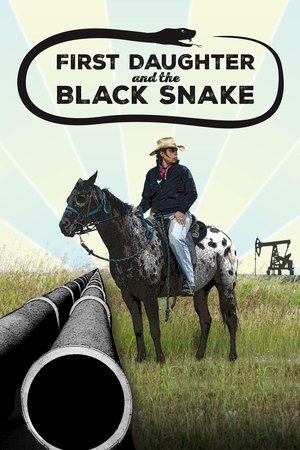
First Daughter and the Black Snake
The “Prophecy of the 7th Fire” says a “black snake” will bring destruction to the earth. For Winona LaDuke, the “black snake” is oil trains and pipelines. When she learns that Canadian-owned Enbridge plans to route a new pipeline through her tribe’s 1855 Treaty land, she and her community spring into action to save the sacred wild rice lakes and preserve their traditional indigenous way of life. Launching an annual spiritual horse ride along the proposed pipeline route, speaking at community meetings and regulatory hearings. Winona testifies that the pipeline route follows one of historical and present-day trauma. The tribe participates in the pipeline permitting process, asserting their treaty rights to protect their natural resources. LaDuke joins with her tribe and others to demand that the pipelines’ impact on tribal people’s resources be considered in the permitting process.
2017
Buffalo Soldiers, Victorio and Manifest Destiny
A look into the 19th century American-Indian Wars, Manifest Destiny, and the conflicts between Apache tribes and the African-American Buffalo soldier regiments.
2017
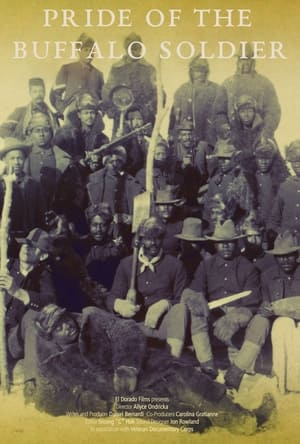
Pride of the Buffalo Soldier
African American soldiers throughout the 19th and 20th Centuries faced discrimination and segregation, yet many still chose to fight for their country.
2017

Inside Chernobyl's Mega Tomb
Documentary which follows the construction of a trailblazing 36,000-tonne steel structure to entomb the ruins of the nuclear power plant destroyed in the 1986 Chernobyl disaster.
2016
For the Rights of All: Ending Jim Crow in Alaska
In 1867, when the United States purchased the Alaska territory, the promise of the Constitution and the Bill of Rights didn't apply to Alaska Natives. Their struggle to win justice is one of the great, untold chapters of the American civil rights movement, culminating at the violent peak of World War II with the passage of one of the nation's first equal rights laws.
2009
Waste: The Nuclear Nightmare
The documentary presents the results of research on nuclear waste management in the U.S., Russia, Germany and France. The authors Eric Noualhat Guéret and Laure were accompanied by the independent French laboratory technicians radiation control, CRIIRAD. They have detected and measured radiation in many places like the U.S. Columbia River or the French plutonium factory called reprocessing plant at La Hague.
2009
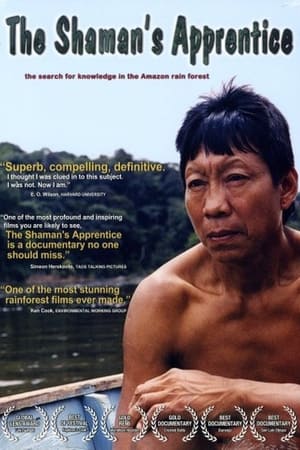
The Shaman's Apprentice
Scientist Mark Plotkin races against time to save the ancient healing knowledge of Indian tribes from extinction.
2001
Grandfather Sky
A young Native American man on his way to visit his uncle learns about his Navajo heritage by attending tribal gatherings, traditional ceremonies and listening to old folktales.
1993
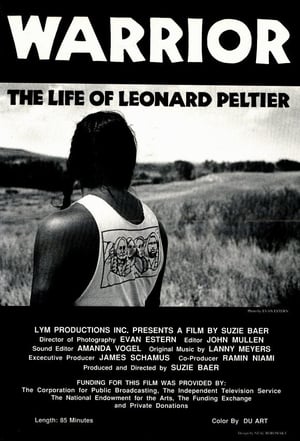
Warrior: The Life of Leonard Peltier
An intimate exploration of the circumstances surrounding the incarceration of Native American activist Leonard Peltier, convicted of murder in 1977, with commentary from those involved, including Peltier himself.
1991

Seabrook 1977
In April 1977, the small coastal town of Seabrook, New Hampshire became an international symbol in the battle over atomic energy. Concerned about the dangers of potential radioactive accidents, over 2,000 members of the Clamshell Alliance, a coalition of environmental groups, attempted to block construction of a nuclear power plant. 1,414 people were arrested in that civil disobedience protest and jailed en masse in National Guard armories for two weeks.
1978
As Long as the Rivers Run
Examines the violence and civil disobedience leading up to the hallmark decision in U.S. v. Washington, with particular reference to the Nisqually Indians of Frank's Landing in Washington.
1971