Watch Sacred Waters: Anishinaabeg Naagdawenmaanaanig Giigoonhkewin (2025) Online Free
"The First People Taking Care of the Fishery" are the Sault Tribe of Chippewa Indians, the largest indigenous tribe east of the Mississippi. For generations, they have been stewarding the fisheries of their Great Lakes territory in Michigan's Upper Peninsula. This project explores the cultural and economic importance of the fishery to the tribe and how use historic and sustainable practices to ensure a healthy fishery and preserve their way of life for the next seven generations in the face of climate change and invasive species.
Cast
Dave Frazier, Cathy Abramson, Rusty Aikens, Austin Lowes, Jason Grondin, Jack Tuomikoski
More Like This
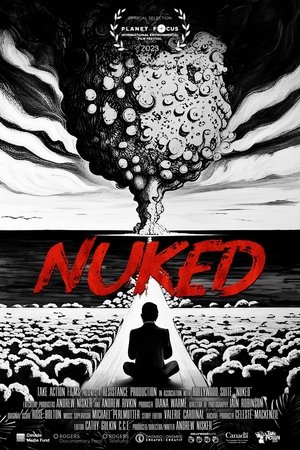
NUKED
The US detonated 67 nuclear weapons over the Bikini Atoll in the Marshall Islands during the Cold War, the consequences of which still reverberate down four generations to today. "NUKED," is a timely new feature documentary focussing on the human victims of the nuclear arms race, tracing the displaced Bikinian's ongoing struggle for justice and survival even as climate change poses a new existential threat. Using carefully restored archival footage to resurrect contemporaneous islanders’ voices and juxtaposing these with the full, awesome fury of the nuclear detonations, NUKED starkly contrasts the official record with the lived experience of the Bikinians themselves, serving as an important counterpoint to this summer’s Oppenheimer.
2023
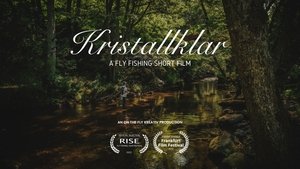
Kristallklar - A Fly Fishing Short Film
Kristallklar tells the tale of a hidden river holding wild brown trout near the border of Luxembourg and Germany. Find out about this magical river from the perspective of Kirill, who recently acquired the lease to the fishing rights of the river and a small tributary thereof. It captures the essence of a fly fishing adventure on the river embarked on by the incredibly passionate Kirill and two companions: Nic, a fly fishing scientist and Simon, the filmmaker. The film tries to capture the feeling of the magnificent surroundings and being at peace on the river. It also delves into topics of conservation of nature and the plans to re-stock the river with native crayfish which vanished from the river. A lot of love went into this film the hope is that it inspires those around the world to find a love for the outdoors and to preserve it for many years to come and just to get out there and fly fish.
2022
Beauty of Pursuit
In Paul Brandt’s filming debut, he joins friend Paul Norris and legendary fly-fishing guide, Naoto Aoki, on a journey that is both a look into his consuming passion for fly fishing and an ode to his hometown of Calgary, which he dubs as the World’s Largest Fly Fishing Lodge.
2021
Inhabitants
For millennia, Native Americans successfully stewarded and shaped their landscapes, but centuries of colonization have disrupted their ability to maintain their traditional land management practices. From deserts, coastlines, forests, mountains, and prairies, Native communities across the US are restoring their ancient relationships with the land. As the climate crisis escalates these time-tested practices of North America's original inhabitants are becoming increasingly essential in a rapidly changing world.
2021

Imagining the Indian: The Fight Against Native American Mascoting
Examining the movement that is ending the use of Native American names, logos, and mascots in the world of sports and beyond.
2021

By Blood
American Indians of African descent, or Freedmen, battle their own tribes and the federal government to regain their tribal citizenship. Witness how indigenous American Indian tribes, their minority members, and surrounding communities are confronting racism and intolerance.
2014
River Monsters Presents: Killer Catfish Extended Cut
2010
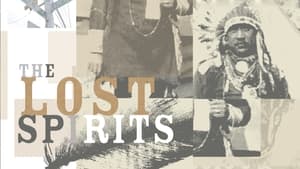
The Lost Spirits
The last surviving Native Americans on Long Island are the focus of The Lost Spirits. The film chronicles their struggles as an indigenous people to maintain their identity amidst relentless modernization and a heartless bureaucracy.
2009
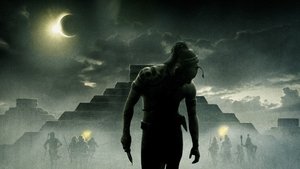
Apocalypto
Set in the Mayan civilization, when a man's idyllic presence is brutally disrupted by a violent invading force, he is taken on a perilous journey to a world ruled by fear and oppression where a harrowing end awaits him. Through a twist of fate and spurred by the power of his love for his woman and his family he will make a desperate break to return home and to ultimately save his way of life.
2006

The New World
A drama about explorer John Smith and the clash between Native Americans and English settlers in the 17th century.
2005
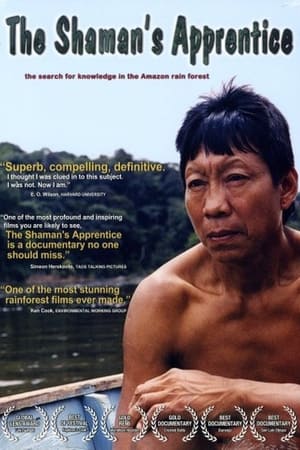
The Shaman's Apprentice
Scientist Mark Plotkin races against time to save the ancient healing knowledge of Indian tribes from extinction.
2001

Homeland
Following four Lakota families over three years, Homeland explores what it takes for the Lakota community to build a better future in the face of tribal and government corruption, scarce housing, unemployment, and alcoholism. Intimate interviews with a spiritual leader, a grandmother, an artist, and a community activist from South Dakota’s Pine Ridge Indian Reservation reveal how each survives through family ties, cultural tradition, humor, and a palpable yearning for self-reliance and personal freedom.
2000

The Land is Ours
The Tlingit and Haida people of Alaska were confused by the idea of America “buying” the land they lived on from the Russians. They would be among the first native people to make a successful claim on their homeland and rights.
1997

1492: Conquest of Paradise
1492: Conquest of Paradise depicts Christopher Columbus’ discovery of The New World and his effect on the indigenous people.
1992

Foundational Black American
Uncover the hidden history of Foundational Black Americans and Black Indians-present before Columbus and vital to building the U.S.-in this powerful documentary that reclaims a buried legacy.
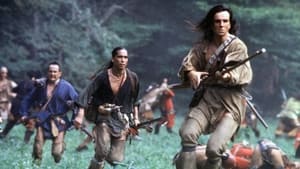
The Last of the Mohicans
In war-torn colonial America, in the midst of a bloody battle between British, the French and Native American allies, the aristocratic daughter of a British Colonel and her party are captured by a group of Huron warriors. Fortunately, a group of three Mohican trappers comes to their rescue.
1992

Revolution
New York trapper Tom Dobb becomes an unwilling participant in the American Revolution after his son Ned is drafted into the Army by the villainous Sergeant Major Peasy. Tom attempts to find his son, and eventually becomes convinced that he must take a stand and fight for the freedom of the Colonies, alongside the aristocratic rebel Daisy McConnahay. As Tom undergoes his change of heart, the events of the war unfold in large-scale grandeur.
1985
Watermen
In 1965, on the Eastern Shore of the Chesapeake Bay, there was the last operating fleet of sailing work boats in the United States. Forty-odd "Skipjacks" were still used by Maryland watermen to dredge up oysters from the Bay. At that time, the fleet had survived because of a Maryland conservation law which prohibits the use of motor power for oyster dredging. The watermen traditionally marked the opening of each oystering season with a skipjack race which the Maryland State Tourist Board incorporated into its annual "Chesapeake Bay Appreciation Day."
1968
Silberne Meeresbeute - Fischfang in der Nordsee
An insight into the fishing business in the North Sea.
1928
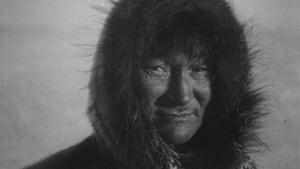
Nanook of the North
This pioneering documentary film depicts the lives of the indigenous Inuit people of Canada's northern Quebec region. Although the production contains some fictional elements, it vividly shows how its resourceful subjects survive in such a harsh climate, revealing how they construct their igloo homes and find food by hunting and fishing. The film also captures the beautiful, if unforgiving, frozen landscape of the Great White North, far removed from conventional civilization.
1922