Watch Warrior Women (2018) Online Free
Loading Cinehub...
Through the figure of Lakota activist and community organizer Madonna Thunder Hawk, this inspiring film traces the untold story of countless Native American women struggling for their people's civil rights. Spanning several decades, Christina D. King and Elizabeth A. Castle's documentary charts Thunder Hawk's lifelong commitment, from her early involvement in the American Indian Movement (AIM), to her pivotal role in the founding of Women of All Red Nations, to her heartening presence at Standing Rock alongside thousands protesting the Dakota Access Pipeline. She passed her dedication and hunger for change to her daughter Marcy, even if that often meant feeling like comrades-in-arms more than mother and child. Through rare archival material—including amazing footage of AIM's occupation of Wounded Knee—and an Indigenous style of circular storytelling, Warrior Women rekindles the memories and legacy of the Red Power movement's matriarchs.
Cast
Madonna Thunderhawk, Marcella Gilbert, Maria Van Kints, Phyllis Young
More Like This
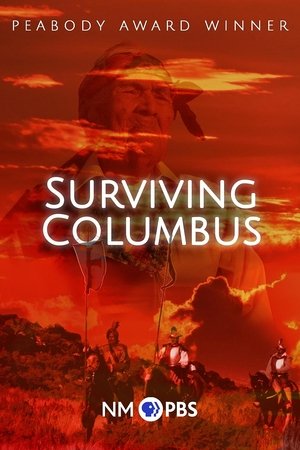
Surviving Columbus
This Peabody Award-winning documentary from New Mexico PBS looks at the European arrival in the Americas from the perspective of the Pueblo Peoples.
1992
Mary Lou Breslin: San Francisco Foundation Community Leadership Awards 2009
Mary Lou Breslin, co-founder of the Disability Rights Education and Defense Fund, winner of the San Francisco Foundation 2009 Community Leadership awards (the Robert C. Kirkwood Award) - for making a mark in defining disability rights as a civil rights issue. She is a trailblazer whose grassroots movement has had tremendous impact addressing human rights abuses and neglect worldwide. As co-founder of the Disability Rights Education and Defense Fund, Mary Lou was at the forefront of creating the 1990 Americans with Disabilities Act (ADA), the Fair Housing Amendments Act, and the Civil Rights Restoration Act leading to protected rights and enhanced opportunities for us all, not just those with disabilities.

The Good Canadian
The world knows the image of the good Canadian. But what if there was a dark secret behind a national identity? THE GOOD CANADIAN exposes the truth behind the idea of a True North strong and free. In this unflinching and eye-opening documentary, directors Leena Minifie and David Paperny move us through the corridors of systemic inequity, from the Indian Act to residential schools, to modern-day family separation. Fusing shocking footage with detailed interviews with experts, advocates, whistleblowers and politicians, THE GOOD CANADIAN challenges national myth-making, while offering Canadians the chance to forge a new identity from the truth.
2025
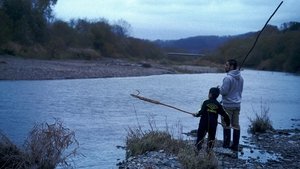
Ainu Puri
Shigeki, one of the Ainu people of northern Japan, follows the traditions of his ancestors and teaches his son Motoki about their heritage. But how can old customs be revived after centuries of suppression?
2024

Riotsville, USA
An archival documentary about the U.S. military’s response to the political and racial injustices of the late 1960s: take a military base, build a mock inner-city set, cast soldiers to play rioters, burn the place down, and film it all.
2022
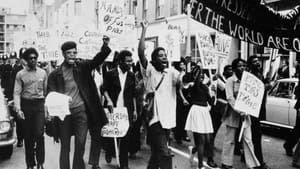
Black Power: A British Story of Resistance
An examination of the Black Power movement in the late 1960s in the UK, surveying both the individuals and the cultural forces that defined the era. At the heart of the documentary is a series of astonishing interviews with past activists, many of whom are speaking for the first time about what it was really like to be involved in the British Black Power movement, bringing to life one of the key cultural revolutions in the history of the nation.
2021

Imagining the Indian: The Fight Against Native American Mascoting
Examining the movement that is ending the use of Native American names, logos, and mascots in the world of sports and beyond.
2021

Hong Kong, Ga Yau
When Hong Kong, which has a legal system separate from China, brought the 2019 Extradition Bill, citizens took to the streets. Locals feared that the law, which would extradite Hong Kong criminals to the mainland, will be used to target dissidents & undermine the region's judicial independence. This film documents how the protest turned into a pro-democracy movement whose impact echoed in Beijing.
2020
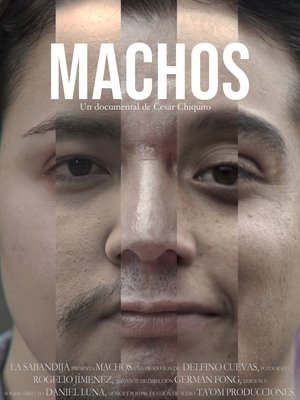
Machos
Through a training trip, in which the filmmakers also participate, the contrasts that exist between the conservatism of machismo and the new masculinity are evident; testimonies, discoveries and liberation in a circle of men.
2018
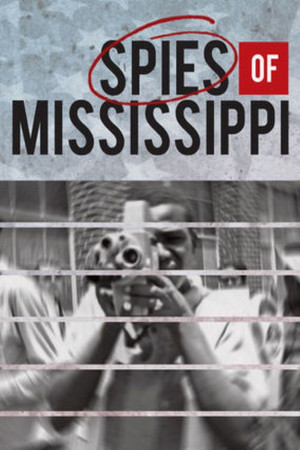
Spies of Mississippi
Spies of Mississippi tells the story of a secret spy agency formed by the state of Mississippi to preserve segregation and maintain white supremacy. The anti-civil rights organization was hidden in plain sight in an unassuming office in the Mississippi State Capitol. Funded with taxpayer dollars and granted extraordinary latitude to carry out its mission, the Commission evolved from a propaganda machine into a full blown spy operation. How do we know this is true? The Commission itself tells us in more than 146,000 pages of files preserved by the State. This wealth of first person primary historical material guides us through one of the most fascinating and yet little known stories of America's quest for Civil Rights.
2014
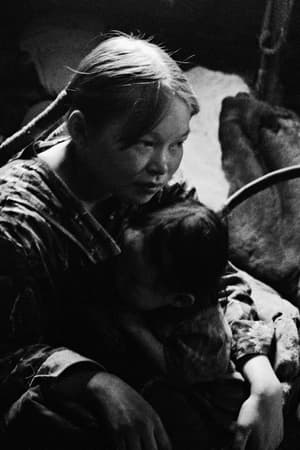
Travelling
Nedarma (Travelling) is one of several documentary features co-directed by Anastasia Lapsui and Markku Lehmuskallio that portray the daily lives of the Nenets, Lapsui’s tribe based in the northern tundra of Siberia. The film invokes Nenets cosmology as a way of leading into a filmic structure that portrays the arc of life from birth to death.
2008
Ameríndia - Memória, Remorso e Compromisso no V Centenário

Rumble: The Indians Who Rocked the World
Documentary about the role of Native Americans in popular music history, a little-known story built around the incredible lives and careers of the some of the greatest music legends.
2017

TOMBOY
TOMBOY explores the obstacles that young girls encounter on the recreational stage, the stereotypes, language issues and cultural disparities that follow, and ultimately the insufficient media coverage and compensation that afflicts elite professional athletes seeking full recognition for their talents. The journey of the female athlete is often discouraging, and despite progress achieved during the Title IX era, gender equity in athletics has a long way to go.
2017
Habilito: Debt for Life
Documents the conflicts and tensions that arise between highland migrants and Mosetenes, members of an indigenous community in the Bolivian Amazon. It focuses particularly on a system of debt peonage known locally as ‘habilito’. This system is used throughout the Bolivian lowlands, and much of the rest of the Amazon basin, to secure labor in remote areas.
2010
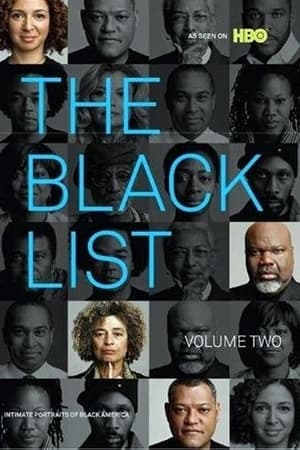
The Black List: Volume Two
THE BLACK LIST: VOL. 2 profiles some of today's most fascinating African-Americans. From the childhood inspirations that shaped their ambitions, to the evolving American landscape they helped define, to the importance of preserving a unique cultural identity for future generations, these prominent individuals offer a unique look into the zeitgeist of black America, redefining the traditional pejorative notion of a blacklist.
2009
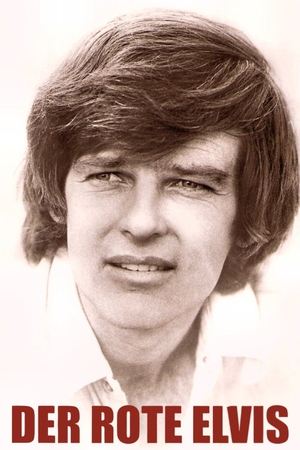
The Red Elvis
A documentary on the late American entertainer Dean Reed, who became a huge star in East Germany after settling there in 1973.
2007
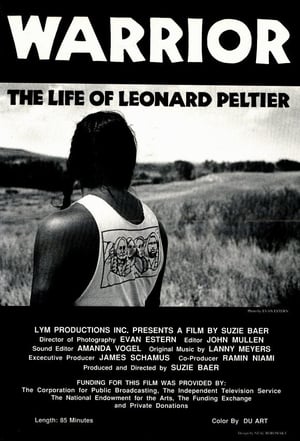
Warrior: The Life of Leonard Peltier
An intimate exploration of the circumstances surrounding the incarceration of Native American activist Leonard Peltier, convicted of murder in 1977, with commentary from those involved, including Peltier himself.
1991
Man Who Chooses the Bush
This short documentary follows Frank Ladouceur, a man who lives alone for months at a time, trapping muskrat in the vast, desolate wilderness of northern Alberta. He receives no visitors, and rarely voyages to his family home in Fort Chipewyan. What some may consider an unthinkably lonely, isolated existence is the calling of this fiercely independent Métis man. Remarkably determined and self-sufficient, Frank makes his home in the wild bush.
1975
La ruta de don Quijote
A poetic journey through the paths and places of old Castile that were traveled and visited by the melancholic knight Don Quixote of La Mancha and his judicious squire Sancho Panza, the immortal characters of Miguel de Cervantes, which offers a candid depiction of rural life in Spain in the early 1930s and illustrates the first sentence of the first article of the Spanish Constitution of 1931, which proclaims that Spain is a democratic republic of workers of all kind.
1934