Watch Upside Down, Inside Out: An Appreciation of the Films of Quentin Dupieux by Elena Lazic (2022) Online Free
An analysis of Quentin Dupieux's film "Incredible But True" by film critic Elena Lazic.
Cast
Elena Lazic
More Like This
Two Bergmans
There are two Bergmans. One speaks English, the other Italian. They fall in love and set off impulsively to live together. But reality is far from easy. As the rift between their emotions deepens, what choice will they make? And what kind of ending awaits them?
2025
Breakdown: 1975
In 1975, as America faced social and political upheaval, filmmakers turned chaos into art.
2025

The Critic
A portrait of film critic Carlos Boyero, one of the most followed and feared figures in Spanish cinema, surrounded by controversy and both love and hate.
2022
Homeopathy Unrefuted?
Despite the homeopathic doctors studying medicine, they treat their patients against the basis of scientific knowledge. Allegations of fraud surround the topic. In the film, homeopaths embark on adventurous explanations of their popular belief system.
2021
Searching for Oscar
Óscar Peyrou is a veteran Spanish film critic who writes his reviews according to a very peculiar method: in his opinion, it is not really necessary to watch the films since it is possible to judge them simply by looking at their promotional poster.
2019

Discovering Christmas Films
Gathering for a Christmas lunch, the film critics and writers of Discovering Film discuss the merits of 20 films from Bill Murray's star turn in Scrooged, the James Stewart classic It's a Wonderful Life, Ingmar Bergman's Fanny & Alexander, to Bruce Willis' memorable Die Hard.
2018
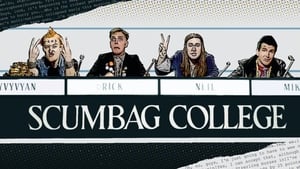
How The Young Ones Changed Comedy
This documentary explores the legacy of one of the most notorious British sitcoms of all time. Launching alternative comedy onto our screens, the show made household names of its performers and writers and proved to be a huge influence, despite the BBC reportedly being baffled by what they'd commissioned back in 1982. Never before had a flagship comedy show contained so much violence, depravity and anarchy - it was a shot across the bow to mainstream comedians that things would never be the same again.
2018

David Stratton: A Cinematic Life
A compelling personal journey with David Stratton, as he relates the fascinating development of our cinema history. David guides us from his boyhood cinema experience of Australia in England, where he saw the first images of this strange and exotic landscape via the medium of film, to his migration to Australia as a ‘ten pound pom’ in 1963 and onto his present day reflections on the iconic themes that run through our cinematic legacy. All of this reflects a passionate engagement in a uniquely Australian medium. Parallel and at the heart of the series is the story of an industry whose growing pains David has witnessed over a lifetime. Alongside David, the protagonists of this history are the giants of Australian cinema – both behind the camera and in front of it.
2017
Profondo Giallo
An analysis of the critical themes in Dario Argento's 70s Giallo "Deep Red".
2015
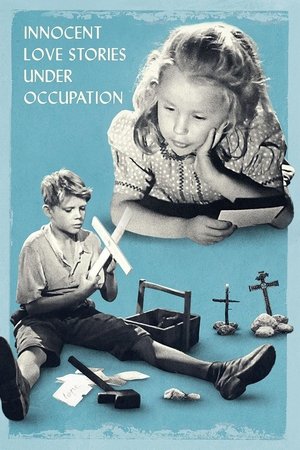
Innocent Love Stories under Occupation
Interview-based documentary looking back on the making and reception of René Clément's 1952 film "Forbidden Games."
2012
Heckler
HECKLER is a comedic feature documentary exploring the increasingly critical world we live in. After starring in a film that was critically bashed, Jamie Kennedy takes on hecklers and critics and ask some interesting questions of people such as George Lucas, Bill Maher, Mike Ditka, Rob Zombie, Howie Mandel and many more. This fast moving, hilarious documentary pulls no punches as you see an uncensored look at just how nasty and mean the fight is between those in the spotlight and those in the dark.
2007
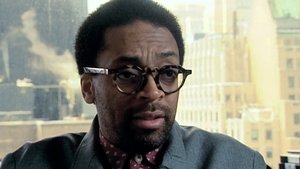
Five Directors On The Battle of Algiers
This 17-minute documentary is featured on the 3-Disc Criterion Collection DVD of The Battle of Algiers (1966), released in 2004. An in-depth look at the Battle of Algiers through the eyes of five established and accomplished filmmakers; Spike Lee, Steven Soderbergh, Oliver Stone, Julian Schnabel and Mira Nair. They discuss how the shots, cinematography, set design, sound and editing directly influenced their own work and how the film's sequences look incredibly realistic, despite the claim that everything in the film was staged .
2004
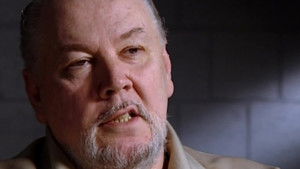
The Iceman and the Psychiatrist
For the third time, HBO cameras go inside Trenton State Maximum Security Prison--and inside the mind of one of the most prolific killers in U.S. history--in this gripping documentary. Mafia hit man Richard Kuklinski freely admits to killing more than 100 people, but in this special, he speaks with top psychiatrist Dr. Park Dietz in an effort to face the truth about his condition. Filled with more never-before-revealed confessions, it's the most chillingly candid Iceman special yet as it combines often-confrontational interview footage between Kuklinski and Dietz with photos, crime reenactments and home movies that add new layers to this evolving and fascinating story.
2004
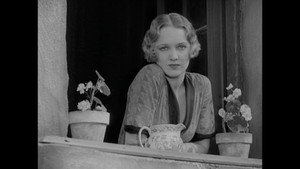
Chaplin Today: City Lights
In 1928, as the talkies threw the film industry and film language into turmoil, Chaplin decided that his Tramp character would not be heard. City Lights would not be a talking picture, but it would have a soundtrack. Chaplin personally composed a musical score and sound effects for the picture. With Peter Lord, the famous co-creator of Chicken Run and Wallace & Gromit, we see how Chaplin became the king of slapstick comedy and the superstar of the movies.
2003

The Tulsa Lynching of 1921: A Hidden Story
Documents the race riot of 1921 and the destruction of the African-American community of Greenwood in Tulsa, Oklahoma. With testimony by eyewitnesses and background accounts by historians.
2000

The Mythology of Star Wars
George Lucas discusses how Joseph Campbell and his concept of the Monomyth (aka the Hero's Journey) and other concepts from mythology and religion shaped the Star Wars saga.
1999

Grisha
An up-close look into the life of the often misunderstood movie director Grigori Kromanov through the lens of old friends and colleagues.
1996
Warren Oates: Across the Border
A retrospective of the work of the late actor Warren Oates, with clips from his films and interviews with cast and crew members who worked with him.
1993
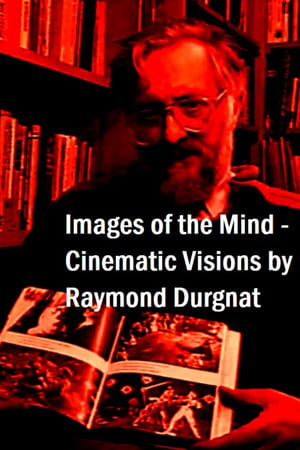
Images of the Mind: Cinematic Visions by Raymond Durgnat
An introduction to the great film critic Raymond Durgnat's appreciation of the nature of cinema.
1992
Alfonso Sánchez
Famous Spanish film critic Alfonso Sánchez talks about his personal life, his work and Anouk Aimée. A sentimental tribute to one of the most relevant figures on the Spanish film scene.
1980