Watch Treloar and Miss Marshall, Prize Winners at the Physical Culture Show in Madison Square Garden (1904) Online Free
Opens with a woman posing on a pedestal, dressed in a white body leotard with a sash tied at her hips. Marshall continues with various feminine poses, reminiscent of classic Greek statuary, to accentuate her figure. Film cuts to Treloar posed on the bare stage without a pedestal. He wears brief leopard-skin trunks or short tunic, wrist bands, and Roman-looking laced sandals. His poses accentuate the muscular development of his upper body, particularly that of his arms, and include movements that make the muscles jump. Treloar finishes with a slight nod to the camera.
Cast
Beatrice Marshall, Albert Treloar
More Like This

Generation Iron 2
From the director of Generation Iron, comes the anticipated sequel that will depict 5 of the top bodybuilding and fitness mega-stars on a quest of achieving the ultimate physique and taking it to the next extreme level. In the world of social media and internet, the rules have changed as to what makes an iconic bodybuilding mass-monster. Starring Kai Greene, Calum Von Moger, Rich Piana, among others, this film will explore an all new generation of bodybuilders and how this new world, and new people, carve their own path to physique perfection.
2017
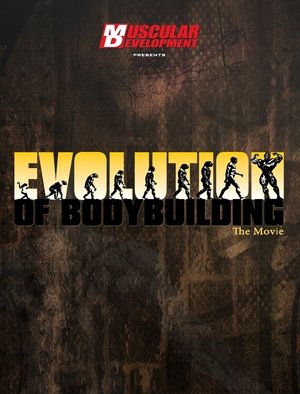
Evolution of Bodybuilding
Hear it straight from the Legends themselves about their stories of success and heartbreak. EVOLUTION OF BODYBUILDING offers a close look at what it takes to compete in the "Mr. Olympia" and how the industry has changes over the past 50 years.
2012
Two Letters for Ana
A medium-length film that takes the central place in the video installation "The Lady of Corinth". In both the medium-length film and the installation, Guerin delves into the relationship between cinema and painting based on Pliny the Elder's account of the invention of painting.
2011
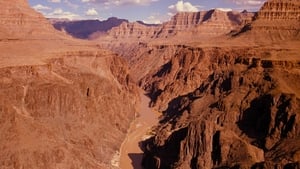
Grand Canyon Adventure: River at Risk
A documentary about a 15-day river-rafting trip on the Colorado River aimed at highlighting water conservation issues.
2008
The Dawn of Sound: How Movies Learned to Talk
Film historians, and survivors from the nearly 30-year struggle to bring sound to motion pictures take the audience from the early failed attempts by scientists and inventors, to the triumph of the talkies.
2007
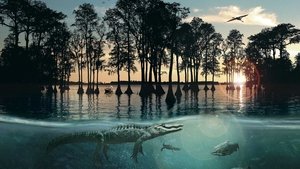
Hurricane on the Bayou
The film "Hurricane on the Bayou" is about the wetlands of Louisiana before and after Hurricane Katrina.
2006
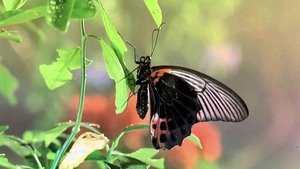
Bugs!
Explore the extraordinary hidden world of insects, where a leaf weighs more than a car, rain drops feel like exploding hand grenades and a blade of grass soars like a skyscraper. Shot on location in the Borneo rainforest, Bugs! brings the beautiful and dangerous universe of its tiny stars up close and personal with cutting-edge technology that magnifies them up to 250,000 times their normal size.
2003
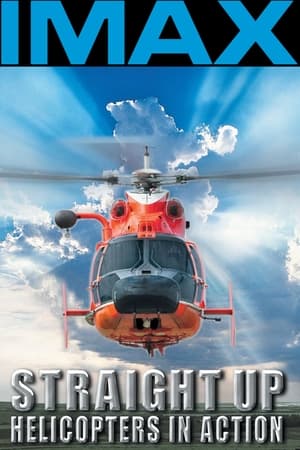
Straight Up: Helicopters in Action
Straight Up: Helicopters in Action will take audiences on a series of aerial adventures. Fly along with skilled helicopter crews as they carry out sea and mountain rescues, apprehend drug smugglers, repair high voltage lines, save endangered animals, deliver humanitarian aid, and undertake a reconnaissance mission. Learn how helicopters are flown.
2002
Wolves
A look at the great wolf debate with comments and views from people on both sides. It also contains footage of Natives dressing up & doing tribal dances. The link between wolves, bison, and Native Americans; as well as white man's reasoning behind their determination to eliminate bison and wolves from the landscape.
1999
Mission to Mir
This film shows how far we have come since the cold-war days of the 50s and 60s. Back then the Russians were our "enemies". And to them the Americans were their "enemies" who couldn't be trusted. Somewhere in all this a young girl in Oklahoma named Shannon set her sights on becoming one of those space explorers, even though she was told "girls can't do that." But she did.
1997
New York Portrait, Chapter III
"[Hutton’s] latest urban film, New York Portrait, Chapter III, takes on a unique tone in relation to Hutton’s ongoing exploration of rural landscape. The very fact that Hutton is dealing with older footage, with archives of memory more than immediacy, gives it a different texture than his earlier New York films. Hutton always found the presence of nature in the city, not only in his many shots of sky and vegetation, but also in the geometry and texture of the city itself, which seemed to project an independence from the human." (Tom Gunning)
1990
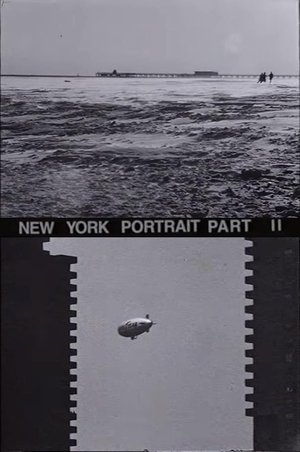
New York Portrait, Chapter II
Chapter Two represents a continuation of daily observations from the environment of Manhattan compiled over a period from 1980-1981. This is the second part of an extended life's portrait of New York.
1981
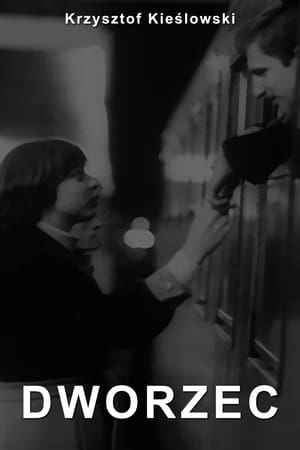
Railway Station
Warsaw's Central Railway Station. 'Someone has fallen asleep, someone's waiting for somebody else. Maybe they'll come, maybe they won't. The film is about people looking for something.
1980
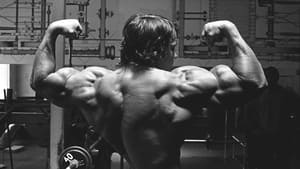
Pumping Iron
Amateur and professional bodybuilders prepare for the 1975 Mr. Olympia and Mr. Universe contests as five-time champion Arnold Schwarzenegger defends his Mr. Olympia title against Serge Nubret and the shy young Lou Ferrigno.
1977
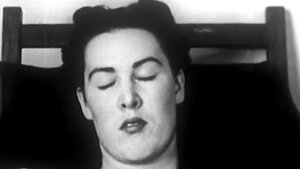
Photographic Studies in Hypnosis: Abnormal Psychology
Silent film showcasing hypnosis and its effects.
1938
Visions of Lourdes
Charles Dekeukeleire, then a questioning Catholic, was spurred into making this documentary on a pilgrimage with the Catholic Young Workers’ Movement. The director’s approach is one of critical reflection; A film emotional and fervent, even acerbic.
1932
Berlin: Symphony of a Great City
A day in the city of Berlin, which experienced an industrial boom in the 1920s, and still provides an insight into the living and working conditions at that time. Germany had just recovered a little from the worst consequences of the First World War, the great economic crisis was still a few years away and Hitler was not yet an issue at the time.
1927
Finlandia
A documentary from Erkki Karu, one of the earliest pioneers of Finnish cinema: This government-produced propaganda film introduces the nature, sports, military, agriculture and capital of Finland.
1922
Nanook of the North
This pioneering documentary film depicts the lives of the indigenous Inuit people of Canada's northern Quebec region. Although the production contains some fictional elements, it vividly shows how its resourceful subjects survive in such a harsh climate, revealing how they construct their igloo homes and find food by hunting and fishing. The film also captures the beautiful, if unforgiving, frozen landscape of the Great White North, far removed from conventional civilization.
1922

Train Entering Hove Station
Most movie fans know that the first filmmakers liked to shoot trains entering stations. This example by Sussex film pioneer George Albert Smith illustrates why. The train's rush towards the audience brings movement and visual drama. The flurry of human activity offers plenty for the audience to engage with - who are these people and where are they going? And the time pressure exerted by the fact that the train must soon depart adds narrative tension - will everyone get on and off in time?
1897