Watch To my sisters (2026) Online Free
Four women are on an existential journey in Morocco, connecting with local women from all walks of life bonding in sisterhood, and share their common quest for empowerment.
Cast
Esosa Cheryl Obobaifo, Özlem Altinpinar, Mirace Ercan, Naima N’Ait-Si-Lahcen
More Like This
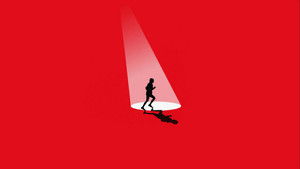
Let Me Run
Let Me Run profiles six inspiring women, famous or anonymous, from yesterday or today, athletes or amateurs, who use sport to gain freedom, while tracing more than 150 years of women's struggle for access to sport.
2025

Writing Hawa
Afghan documentary maker Najiba Noori offers not only a loving and intimate portrait of her mother Hawa, but also shows in detail how the arduous improvement of the position of women is undone by geopolitical violence. The film follows the fortunes of Noori’s family, who belong to the Hazaras, an ethnic group that has suffered greatly from discrimination and persecution.
2025
The Black Stain
Marlene's journey is one of rediscovery. Once she saw darkness as the truest reflection of her soul—a place of comfort and identity. But life's trials reshaped her understanding, transforming that darkness into a wellspring of resilience, insight, and unexpected strength.
2024

The Atlantic, an Ocean of Opportunities
The Atlantic, an Ocean of Opportunities follows the Atlantic Initiative of King Mohammed VI, an ambitious vision to transform Morocco's Atlantic coast into a driver of economic development and regional cooperation.
2024
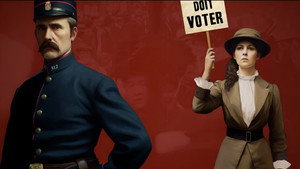
Citoyennes !
2024

Sisters of Wrestling
Sisters of Wrestling paints an intimate portrait of Azaelle, LuFisto and Loue O'Farrell, three ring warriors for whom wrestling is both a passionate love and an outlet from everyday life.
2023
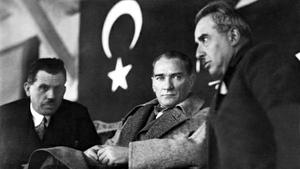
Atatürk, Father of Modern Turkey
Mustafa Kemal Atatürk (1881-1938) was a Turkish field marshal, revolutionary statesman, author, and the founding father of the Republic of Turkey, serving as its first president from 1923 until his death in 1938.
2023
She the People: Votes for Women
Today, it seems incredible that just a century ago, American women had no voice in democracy. Just as remarkable is that it took over 70 years of campaigns, marches, hunger strikes, and arrests to pass the constitutional amendment guaranteeing them the right to vote. Witness the decades-long fight for suffrage by heroic women who fought to claim their rights as citizens, told through rarely seen footage, expert opinions, and dozens of historic objects from the Smithsonian Institution. The legacy of their quest continues to shape our democracy.
2020
L'Orientalisme
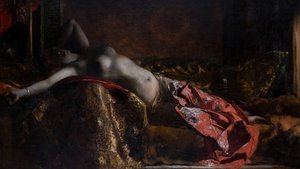
Orientalism is a literary and artistic movement born in Western Europe in the 18th century. Through its scale and popularity, throughout the 19th century, it marked the interest and curiosity of artists and writers for the countries of the West (the Maghreb) or the Levant (the Middle East). Orientalism was born from the fascination of the Ottoman Empire and followed its slow disintegration and the progression of European colonizations. This exotic trend is associated with all the artistic movements of the 19th century, academic, romantic, realistic or even impressionist. It is present in architecture, music, painting, literature, poetry... Picturesque aesthetics, confusing styles, civilizations and eras, orientalism has created numerous clichés and clichés that we still find today in literature or cinema.
2019
Birthright: A War Story
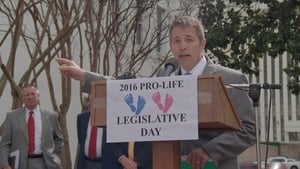
Women are being jailed, physically violated and at risk of dying as a radical movement tightens its grip across America.
2017
Parrot at the Milk Bar
A humorous observation in Barcelona’s immigrant neighbourhood El Raval. Four barber shops, four places of remembrance, strange time and space capsules inhabited by people who left their home to find a better one, while the Spaniards are about to leave their own country themselves.
2014
Backroom Troubles
Women talk about the circumstances that drove them to seek illegal abortions and the often traumatic result. Interwoven with historical photographs and newsreel footage, the stories expose how the reality of women's lives were counterposed to what was socially and morally expected of them.
1997

Stripper
A strippers' convention and a major contest. The movie focuses on a few strippers, each with her own strong motive to win.
1985
Weiss ist die Farbe der Verlierer
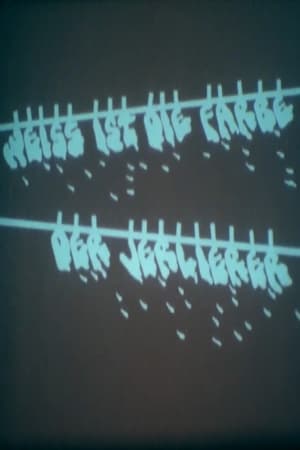
Short film against the oppression of women. At first, differences in education are presented and then how the relationship between women and men looks like in the professional world.
1974
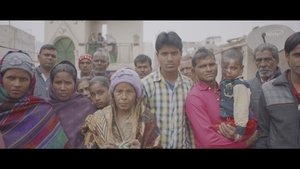
Leher - The Wave of Empowerment
A visual journey into the personal life and battles of a group of acid attack survivors in Delhi and suburbs against stigmas and prejudices in the Indian society
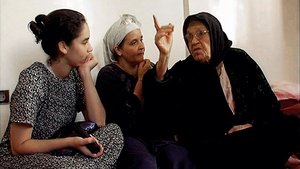
Our Forbidden Places
During the oppressive reign of Moroccan King Hassan II in the 70s and 80s (Years of Lead), many dissidents went missing. After the throning of a new king, a truth commission was formed in the 2000's. Families of the missing speak.
2009
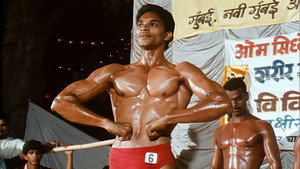
Father, Son and Holy War
Filmmaker Anand Patwardhan looks to history and psychology as he delves into the possible reasons behind the demolition of the Babri Mosque.
1994
Det er godt at have sin egen konto
1974
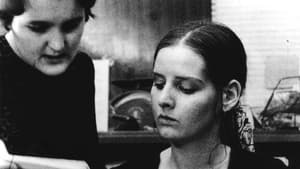
A Film for Discussion
A docu-drama shot in 1970, but not completed until 1973, the film sought to encapsulate in an experimental form issues that were under discussion within the Women’s Liberation Movement at this time and to thus contribute to action for change. In its numerous community screenings, active debate was encouraged as part of the viewing experience.
1973
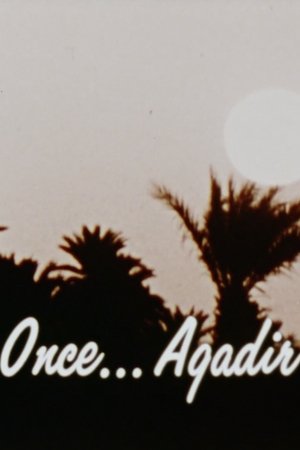
Once ... Agadir
This short-length documentary takes us to Agadir, a city in Morocco that was struck by an earthquake in 1960. The film, made by an expatriate Moroccan who lost family and friends in the disaster, is a memorial to that tragedy and to the past he left behind when he came to North America. Partly allegorical, it employs varying techniques to offset reality from fantasy sequences.
1971