Watch Time Loops - A Conversation with Christa Wolf (1991) Online Free
Journalist Daniela Dahn interviews the East-German author Christa Wolf during the German reunification: reflections on history, changing politics, life and work.
Cast
Christa Wolf, Daniela Dahn, Lev Kopelev, Gerhard Wolf, Klaus Wischnewski, Hans Mayer
More Like This

The Last Summer of the GDR: Freedom and Anarchy
After the fall of the Berlin Wall, citizens of East Germany had to get used to a new way of consuming, working, and living. New-found freedoms were a breath of fresh air for many but in the chaos leading up to reunification with West Germany, the experience was also disconcerting.
2024
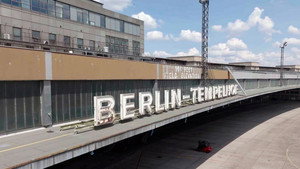
Berlin Tempelhof Airport - Gateway to Freedom
Located in former West Berlin, Tempelhof Airport reflects the dramatic history of the 20th century. Once a Nazi showpiece, it later became a symbol of freedom during the Berlin Airlift and the Cold War. In 1978, East German citizen Constanze Glien unexpectedly arrived here after her flight was hijacked, changing the course of her life.
2024
Vor Zurück Zur Seite Ran
2023
DDR - die entsorgte Republik
2019
Brüder Kühn: Zwei Musiker spielen sich frei
2019
Codename Pirate
Was my father really a spy, as his file in the former East German Secret Service (STASI) suggests? This question marks the starting point of a son’s journey into his late father’s past which still remains somewhat mysterious even today. Eric Asch is looking for answers – in the Stasi archives, at the NSA and in his own family history. The result is a very personal documentary which reports ironically about the practices of secret service during the Cold War.
2014
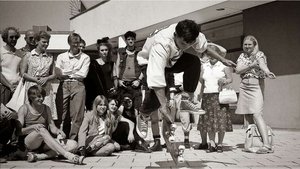
This Ain't California
A retrospective look at the youth cultures born in the German Democratic Republic. A celebration of the lust for life, a contemporary trip into the world of skate, a tale on three heroes and their boards, from their childhood in the seventies, through their teenage rebellion in the eighties and the summer of 1989, when their life changed forever, to 2011.
2012
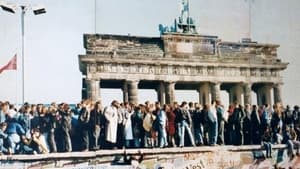
After the Wall: A World United
The Berlin Wall came down in 1989, bringing the reunification of Germany and an end to the Cold War. This documentary revisits the events surrounding the wall's historic collapse. Interviews with George Bush, Mikhail Gorbachev and Helmut Kohl offer insight into political maneuvering while firsthand accounts from Germans provide personal perspectives of this historic event that changed the world forever.
2011
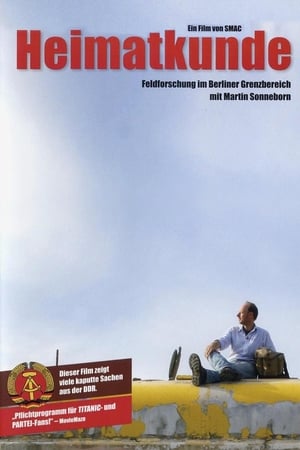
Heimatkunde
Former "Titanic" satire magazine editor Martin Sonneborn takes an undercover trip around Berlin and discovers the East-German mentality and what is left of the socialist German Democratic Republic.
2008

Sportsfreund Lötzsch
2008
Der volkseigene Bürgermeister
2007
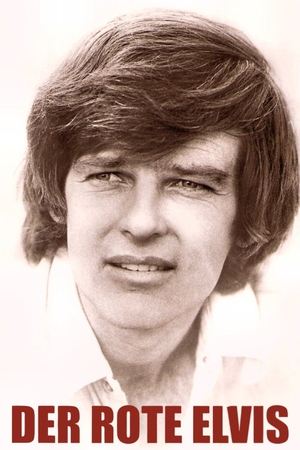
The Red Elvis
A documentary on the late American entertainer Dean Reed, who became a huge star in East Germany after settling there in 1973.
2007
Last to Know
In the documentary Last To Know political prisoners, sent to jail for openly opposing the East German regime that existed until the German reunification in 1990, talk about their times of trial and their lives today. Neither they, nor their families have come to terms with what happened.
2006
The Ministry for State Security - Everyday life at a public authority
Former heads, senior officers and the rector of the MfS law school explain how the ministry functioned. The interviewees see themselves as legitimate actors with a clear mandate and political enemy image. They provide an insight into the techniques and routines of secret service work, psychological tricks during interrogations and the management of “unofficial collaborators”. What they all have in common is that they are not aware of any moral guilt. The directors contrast their footage of prisons and archives with the statements of former Stasi employees in an attempt to expose their evasions and efforts at suppression.
2002
Money for Bread
Women from Turkey and Mecklenburg are working together side-by-side at a fish-processing factory in Lübeck. As they work, they share stories about their lives, including their sorrows, griefs, hopes, and dreams, while expressing their longing for home and feelings of being lost in a foreign place.
1994
Sieg im Osten
The army of the GDR, called NVA had not survived the reunification of Germany, it was completely absorbed by the Bundeswehr and scrapped subsequently. But what apparently went on so smoothly as a peaceful unification of hostile brothers quietly left deep scars in the East German landscape.
1993
Entlassen
Children from socially disadvantaged families, either placed in care or admitted voluntarily, tell their stories and share their hopes. After reunification, they are released into the harsh reality of East Germany.
1993

The Hell of Ueckermünde
This report was broadcast on ARD in 1993. In 43 minutes, the development of psychiatry "in the third year after reunification" is shown using two institutions in the new federal states as examples. A touchstone for all of psychiatry and disability care to this day. The film shows a shocking way in which disabled people are treated. The commentary uses the perspective of those affected. 50 years after euthanasia in Germany, this documentary reminds us of this once again.
1993
I Am My Own Woman
The life story of Charlotte von Mahlsdorf, who survived the Nazi reign as a trans woman and helped start the German gay liberation movement. Documentary with some dramatized scenes. Two actors play the young and middle aged Charlotte and she plays herself in the later years.
1992

Our Children
From an official perspective, marginal youth culture did not exist in East Germany. The topic of subcultures was taboo in the GDR, and groups such as goths, skinheads, anti-skins, punks and neo-Nazis were dismissed as social deviations promoted by western countries. Director Roland Steiner had access to such young East Germans in the late 1980s. Over the course of four years, he brought them before the camera in an attempt to understand what drew them to these groups.
1989