Watch Thomas Goltz: An Oil Odyssey (2025) Online Free
A documentary that follows Thomas Goltz and a group of riders on old Soviet motorcycles as they carry the first symbolic barrel of Caspian oil from Baku to Ceyhan along the future BTC pipeline. Using rare historical footage, personal interviews, and scenes captured during the journey, the film shows Goltz's legacy as a war reporter, his strong connection to Azerbaijan, and how oil shaped the identity of the country.
Cast
Thomas Goltz
More Like This
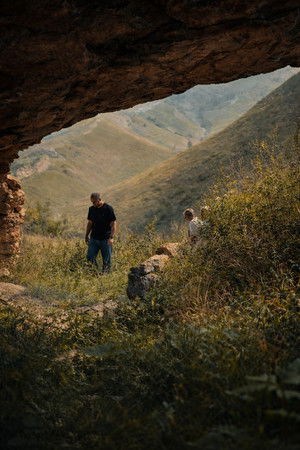
Bashlibel: Diary of a Siege
The months of struggle people of Bashlibel had to overcome to live during the first Karabakh war and their escape into safety.
2025
Insustentável: a realidade do petróleo na Amazônia
2025
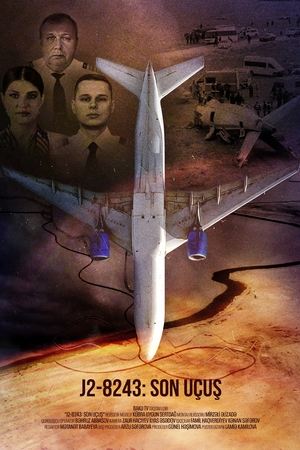
J2-8243: Son Uçuş
2025

There Will Be Oil
Oil is a primary energy source in the world. Global oil consumption reached approximately 95 million barrels per day but oil fields' quality is constantly declining. A team of Russian scientists came up with more accurate, cheaper, and faster technology that can increase the oil production rate. After all, modern civilization is built in the way that 'to live well' means 'consume more oil'
2022

The Son
Using unpublished photos taken by Italian war photographer Enrico Sarsini, and the reconstruction of key events, this film examines the battle for a strategically-located church that was defended by Azerbaijani teenager Natig Gasimov. After his surrender and interrogation by Armenian forces, he was never heard of again. This film finds out what happened to Natig and who may be responsible. Filmed over a period of three years, filmmaker Karan Singh spoke to witnesses in Armenia, Azerbaijan, Italy and Russia in his search for the truth.
2021

The grave under the plum tree
He is Khagani Aliyev, a resident of Saricali village of Aghdam. On July 23, 1993, Khagani Aliyev, who heard about another Armenian attack on Aghdam, went home to take his parents who had not left the village to a temporary safe area...
2021
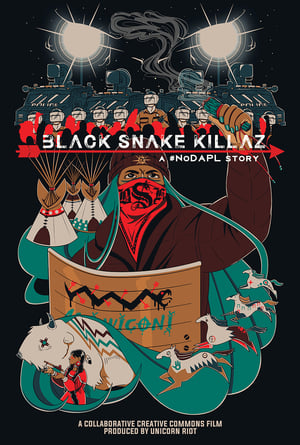
BLACK SNAKE KILLAZ: A #NODAPL STORY
Black Snake Killaz is a feature-length documentary film about the resistance to the Dakota Access Pipeline. This film explores actions taken by water protectors to stop the construction of the oil pipeline and highlights actions taken by law enforcement, military, and corporate mercenaries to quell the months-long protest. Black Snake Killaz timelines the historical events that unfolded in Standing Rock throughout 2016 and brings you the raw experience from many frontline actions to protect the water. Although the Dakota Access Pipeline is completed, the impact of the movement will be long-lasting. As fossil fuel extraction projects continue to impact some of the most vulnerable communities throughout the United States of America, the importance of the water protectors story grows.
2017
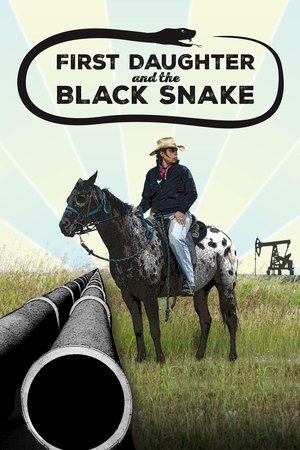
First Daughter and the Black Snake
The “Prophecy of the 7th Fire” says a “black snake” will bring destruction to the earth. For Winona LaDuke, the “black snake” is oil trains and pipelines. When she learns that Canadian-owned Enbridge plans to route a new pipeline through her tribe’s 1855 Treaty land, she and her community spring into action to save the sacred wild rice lakes and preserve their traditional indigenous way of life. Launching an annual spiritual horse ride along the proposed pipeline route, speaking at community meetings and regulatory hearings. Winona testifies that the pipeline route follows one of historical and present-day trauma. The tribe participates in the pipeline permitting process, asserting their treaty rights to protect their natural resources. LaDuke joins with her tribe and others to demand that the pipelines’ impact on tribal people’s resources be considered in the permitting process.
2017
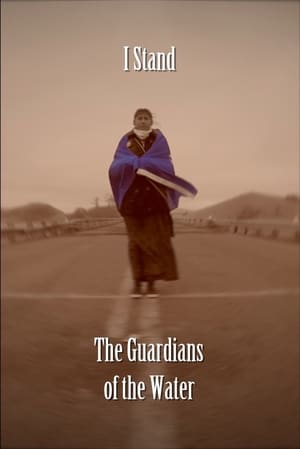
I Stand: The Guardians of the Water
First hand interviews and on the ground footage give a stirring account of The Standing Rock Sioux Nation's and water protectors' opposition to the Dakota Access Pipeline
2017

Topophilia
An exploration of built and natural environments along the 800-mile length of the Trans-Alaska Pipeline.
2015
White Earth
An oil boom has drawn thousands to America’s Northern Plains in search of work. Against the backdrop of a cruel North Dakota winter, the stories of three children and an immigrant mother intertwine among themes of innocence, home, and the American Dream.
2015
Black Ice
When the Greenpeace ship Arctic Sunrise set sail in 2013 to protest the first ever oil drilling in the Arctic Ocean, none of the people on board could have known what was coming. Seized at gunpoint by Russian special forces, the 'Arctic 30' were thrust into headlines all over the world, facing up to 15 years in prison and finding themselves at the centre of a bitter international dispute.
2014
spOILed
America is addicted to oil. President George Bush said so… and now that phrase is echoed everywhere. But are we really “addicted”? Our daily lives are dripping in oil. It’s in virtually everything we use and fuels everything we do. To be sure, it is something to worry about. Are we going to run out? Aren’t we fighting wars for oil? But, if we do slow the flow, how will that change the way we live? When it comes to what we’re told about oil, there’s rhetoric and then there’s reality. Who can we believe? The media? Politicians? Environmental activists? You’d be surprised. For nearly ten years, journalist turned media analyst MARK MATHIS has studied our use of oil. And what he found shocked him so thoroughly that he made a movie about the misinformation, distortions and even outright lies about oil. We do have an “oil problem” in America (and the world), but it’s not what you’ve been told. So, it’s time to Fill Up on Truth… for a change.
2011
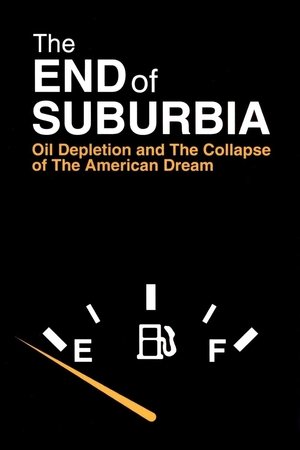
The End of Suburbia: Oil Depletion and the Collapse of the American Dream
Since World War II North Americans have invested much of their newfound wealth in suburbia. It has promised a sense of space, affordability, family life and upward mobility. As the population of suburban sprawl has exploded in the past 50 years Suburbia, and all it promises, has become the American Dream. But as we enter the 21st century, serious questions are beginning to emerge...
2004

The Udi people
The film is dedicated to the ethnogenesis of a small people, preserving their traditions and language, the Udi people
1993
Wie das Öl ins Haus kommt
The short film shows the process of oil extraction up to the delivery to the customer
1981
The Time of the Tar Sands
A promotional video produced by the Alberta government in 1975, "The time of the tar sands", featuring Gordon Pinsent. credit: Archives of Alberta.
1975
Journey to Everyday Life: About the City of Surgut and Its Residents
oil workers, builders, geologists
1965

Azerbaijani Horses
The film is about the breeding of the famous Karabakh horses at the Aghdam equestrian factory.
1953
Getting Down to Earth Again
Getting Down to Earth Again, is a black and white motion picture, produced by Caravel Films Inc. for the Socony-Vacuum Oil Company, Inc., and was about lubricants and proper lubrication of machinery. In 1931, the Socony (Standard Oil Company New York) and the Vacuum Oil Company merged forming the Socony-Vacuum Corp. In 1955, it became the Socony Mobil Oil Company and currently Mobil. Caravel Films Inc. was active in 1932, but no other information was found. This film was probably produced between 1940 and 1942.
1940