Watch spOILed (2011) Online Free
America is addicted to oil. President George Bush said so… and now that phrase is echoed everywhere. But are we really “addicted”? Our daily lives are dripping in oil. It’s in virtually everything we use and fuels everything we do. To be sure, it is something to worry about. Are we going to run out? Aren’t we fighting wars for oil? But, if we do slow the flow, how will that change the way we live? When it comes to what we’re told about oil, there’s rhetoric and then there’s reality. Who can we believe? The media? Politicians? Environmental activists? You’d be surprised. For nearly ten years, journalist turned media analyst MARK MATHIS has studied our use of oil. And what he found shocked him so thoroughly that he made a movie about the misinformation, distortions and even outright lies about oil. We do have an “oil problem” in America (and the world), but it’s not what you’ve been told. So, it’s time to Fill Up on Truth… for a change.
Cast
Jonathan Von
More Like This
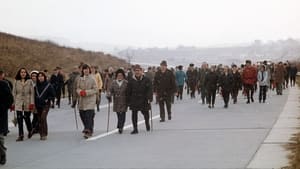
Der Ölschock von 1973 - Autofreie Sonntage
On November 25, 1973, the first of four car-free Sundays transformed West Germany's deserted highways into spaces for walking, cycling, and horse-drawn carriages, while towns and cities took on a festive atmosphere. Introduced during the oil crisis to conserve fuel after the Arab oil embargo and production cuts following the Yom Kippur War, the measure became an unforgettable collective experience. Beyond the immediate energy shortage, the crisis marked a turning point, ending the postwar economic boom and encouraging greater awareness of energy use, consumerism, and environmental issues.
2023

King Coal
The cultural roots of coal continue to permeate the rituals of daily life in Appalachia even as its economic power wanes. The journey of a coal miner’s daughter exploring the region’s dreams and myths, untangling the pain and beauty, as her community sits on the brink of massive change.
2023
Changing Landscapes
Changing Landscapes meditates upon the care and carelessness humans brought to bear on the environment in Scotland. Rare archive combines with performances from the BBC Scottish Symphony Orchestra.
2022
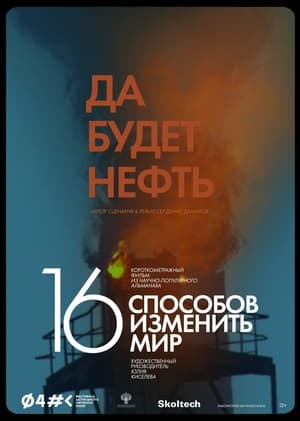
There Will Be Oil
Oil is a primary energy source in the world. Global oil consumption reached approximately 95 million barrels per day but oil fields' quality is constantly declining. A team of Russian scientists came up with more accurate, cheaper, and faster technology that can increase the oil production rate. After all, modern civilization is built in the way that 'to live well' means 'consume more oil'
2022
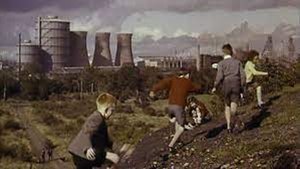
Living Proof: A Climate Story
The film reveals Scotland's post-war history as seen through the lens of current debate, inviting audiences on a journey to revisit the promises of the past and consider how they relate to our future on this planet. Was climate change inevitable? Can we break free from a boom-and-bust mentality?
2021
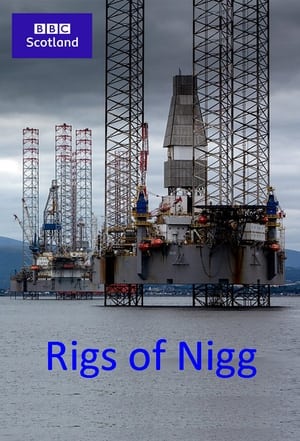
Rigs of Nigg
It is the early 70s, and oil has been discovered in the North Sea. The UK needs rigs and needs them fast. Their search for a location to build the platforms settles on the sleepy Highland bay of Nigg on the Cromarty Firth, and a way of life is changed for ever.
2021
La bataille de Rabaska
2018

Beerput Nederland
2017
From the Ashes
Capturing Americans in communities across the country as they wrestle with the legacy of the coal industry and what its future should be under the Trump Administration. From Appalachia to the West’s Powder River Basin, the film goes beyond the rhetoric of the “war on coal” to present compelling and often heartbreaking stories about what’s at stake for our economy, health, and climate.
2017
First Daughter and the Black Snake
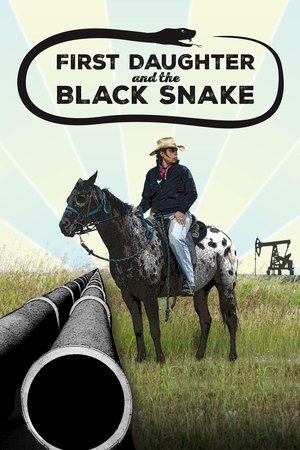
The “Prophecy of the 7th Fire” says a “black snake” will bring destruction to the earth. For Winona LaDuke, the “black snake” is oil trains and pipelines. When she learns that Canadian-owned Enbridge plans to route a new pipeline through her tribe’s 1855 Treaty land, she and her community spring into action to save the sacred wild rice lakes and preserve their traditional indigenous way of life. Launching an annual spiritual horse ride along the proposed pipeline route, speaking at community meetings and regulatory hearings. Winona testifies that the pipeline route follows one of historical and present-day trauma. The tribe participates in the pipeline permitting process, asserting their treaty rights to protect their natural resources. LaDuke joins with her tribe and others to demand that the pipelines’ impact on tribal people’s resources be considered in the permitting process.
2017
Hitler's War on Oil: Objective Baku
This film tells the story of World War II as experienced by the inhabitants of Baku, the capital of Azerbaijan, at the time a satellite of Moscow. The very rich oil deposits of the region aroused the covetousness of Hitler who needed the oil from Baku to carry out his program of world domination. His entire campaign of 1942-1943 was aimed at seizing them. But the Soviets and the Allies were determined to prevent him from doing so, by all means, including the most radical, even if it meant wiping the city off the map.
2015
White Earth
An oil boom has drawn thousands to America’s Northern Plains in search of work. Against the backdrop of a cruel North Dakota winter, the stories of three children and an immigrant mother intertwine among themes of innocence, home, and the American Dream.
2015
Into Eternity: A Film for the Future
Every day, the world over, large amounts of high-level radioactive waste created by nuclear power plants is placed in interim storage, which is vulnerable to natural disasters, man-made disasters, and to societal changes. In Finland the world’s first permanent repository is being hewn out of solid rock – a huge system of underground tunnels - that must last 100,000 years as this is how long the waste remains hazardous.
2010
Gasland
It is happening all across America-rural landowners wake up one day to find a lucrative offer from an energy company wanting to lease their property. Reason? The company hopes to tap into a reservoir dubbed the "Saudi Arabia of natural gas." Halliburton developed a way to get the gas out of the ground-a hydraulic drilling process called "fracking"-and suddenly America finds itself on the precipice of becoming an energy superpower.
2010
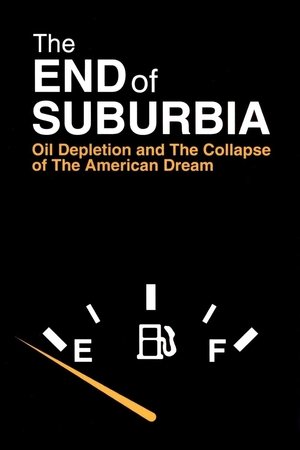
The End of Suburbia: Oil Depletion and the Collapse of the American Dream
Since World War II North Americans have invested much of their newfound wealth in suburbia. It has promised a sense of space, affordability, family life and upward mobility. As the population of suburban sprawl has exploded in the past 50 years Suburbia, and all it promises, has become the American Dream. But as we enter the 21st century, serious questions are beginning to emerge...
2004
Fuel-Less, You Can’t Be Cool Without Fuel
A spoof on the movie “Clueless” – follows high-school queen Crystal through the worst day of her young, pampered life. It seems that everything in her life derived from oil has disappeared: her makeup, Daddy’s credit card, gasoline for her beloved BMW and aspirin for her growing stress headache — all gone. But with a little guidance from Miss Watkins, her “extremely cool science teacher,” Crystal gets a better understanding of where oil comes from, how it is processed and how the products made from oil impact our everyday lives.
1996
Wie das Öl ins Haus kommt
The short film shows the process of oil extraction up to the delivery to the customer
1981
The Time of the Tar Sands
A promotional video produced by the Alberta government in 1975, "The time of the tar sands", featuring Gordon Pinsent. credit: Archives of Alberta.
1975
Journey to Everyday Life: About the City of Surgut and Its Residents
oil workers, builders, geologists
1965

The Caspian Story
A story of the exploits carried out by the oil technicians of Baku for the exploitation of the black gold deposit of the Caspian Sea.
1953