Watch The Taste of Salt (2011) Online Free
At Ngay Ngay, a village in northern Senegal, there are real natural evaporative basins in which depending on the year large or small quantities of sea salt dry out. Located 15 kilometres from Saint-Louis, the village is living around a complex community organisation: men divide the salt fields into plots, and women are those who harvest. In the end, the men receive a share of the crop, while women are those who took great pains over the harvesting.
More Like This

Daniel Balavoine : 40 ans déjà
Through Daniel Balavoine's greatest songs, which have become cult classics, this documentary traces the dazzling career of a free-spirited singer, driven by an urgent need to speak out, denounce injustice, and love, whose lyrics continue to touch several generations. Rare archives, testimonials from those who knew him, expert analysis and insights from today's musicians highlight the enduring modernity of his work and examine the legacy he left to French music.
2026

Return to Your Corner
This is the story of Africa's first Boxing World Champion, Battling Siki. Who was this boxer born in Senegal, decorated for Bravery in World War I? Why do so few know that he fought and won the World Light Heavyweight Title aged 25, only to lose it controversially six months later? And why was his life cut short on a New York Street aged 28?
2025

Pride & Attitude
The viewpoints of women from a country that no longer exists preserved on low-band U-matic tape. GDR-FRG. Courageous, self-confident and emancipated: female industry workers talk about gaining autonomy.
2025

Afrikki
2025

Everyday
A school teacher never just teaches. A step back in time of the life of a school teacher in a small city in the North of France and her experience of the profession.
2025
Nooko Bokk
2024
Queen of the Sea
A short documentary exploring how the ocean is an empowering space for women to connect. Told through the personal story of Deguene, a 17 year old surfer, from Dakar, Senegal. She leads us on a journey through the waves of her familial past which is deeply connected to the spirit of the ocean. This powerful story explores the symbiotic relationship between women, the ocean, community and sport.
2023
Zanzibar: Trouble in Paradise
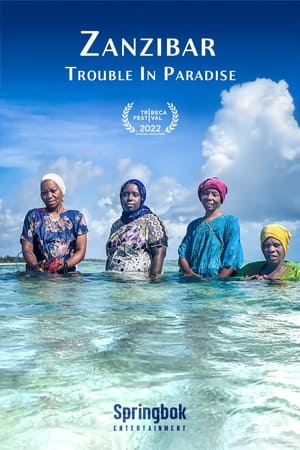
Zanzibar: Trouble in Paradise depicts a group of women who gained financial independence and stability in an otherwise male dominated culture through seaweed farming, until climate change killed the seaweed. The film follows the women, whose ingenuity led them to a new crop, more resistant to climate change: sea sponges. However, new challenges occurred; combating bacteria and climate change threatening their new product as well. In bringing the story of these women to light, the film demonstrates their resiliency and individual struggles facing the effects of climate change. While many documentaries focus on the science, Zanzibar shines a light on the disaster's impact upon those least likely to be heard.
2022

Those Who Care
Since the cult success of Merci Patron!, activist/journalist/filmmaker François Ruffin has become an MP. Here, he attempts to table a law aimed at upholding the rights of what in Quebec are known as caregivers, and shows us in passing how a law whose need seems patently obvious is put together, debated, voted on and . . . dies on the battleground of French politics. A stirring documentary about social injustice that somehow manages to make us bust a gut laughing as we rage with indignation. And also cry at the beauty of it all, thanks to the director’s humanist sensibility and a deft play between reality and fiction.
2021

Long Haulers
Through experimentation, direct observational filmmaking, and performative play, filmmaker Amy Reid rides and films with women truckers who have fled domestic violence, the stigmas of being formerly incarcerated, and mental health issues. The three subjects -- Sandi, Lori, and Tracy -- each share how they started trucking and what keeps them trucking.
2020
Ken Bugul: Nobody Wants Her - Portait of an Author
2013

Boy Saloum : La révolte des Y’en a marre
The story of four Senegalese youths from the suburbs of Dakar who are about to set their country ablaze in 2011, via the grassroots movement called Y’en a marre (We’re fed up).
2013
Silent Stories
Two women and two men tell their stories of exile caused by being lesbian, transgender, bisexual and gay.
2011
Les derniers jours d'une icône : Daniel Balavoine
In 1986, during the Paris-Dakar rally, singer Daniel Balavoine, who was leading a humanitarian operation, was killed in a helicopter crash alongside Thierry Sabine. Nicolas Mathieu, his assistant, Léo Missir, his artistic director, HSH Albert of Monaco, and Charles Belvèze discuss the artist's career and his political and humanitarian commitments. Pierre Fauque and Anne Amado retrace the last moments of his life, from his arrival in Tamanrasset on January 6 to the day of his death in the desert, in the midst of a storm.
2006
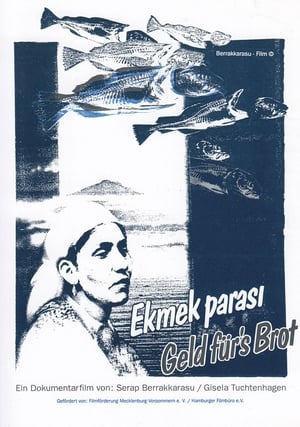
Money for Bread
Women from Turkey and Mecklenburg are working together side-by-side at a fish-processing factory in Lübeck. As they work, they share stories about their lives, including their sorrows, griefs, hopes, and dreams, while expressing their longing for home and feelings of being lost in a foreign place.
1994

Tots els ulls. La salut visual al Senegal
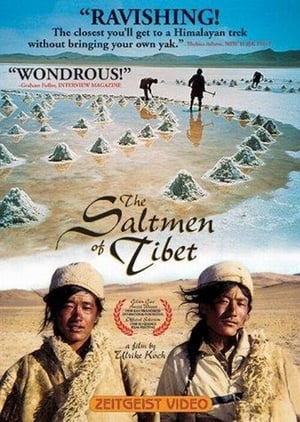
The Saltmen of Tibet
Four men from a nomadic Tibetan tribe undertake their annual, ritualistic pilgrimage to a sacred salt lake. Salt gathered in this traditional fashion will be sold to provide the economic livelihood of the tribe for the coming year. The journey, necessary for the group's survival, also incorporates a number of rituals necessary for their culture to survive in the modern world.
1997
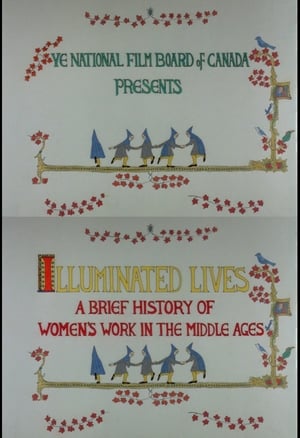
Illuminated Lives: A Brief History of Women's Work in the Middle Ages
This animated short challenges enduring myths, spawned by fairy tales and romances, about women in medieval society. It explores the differences and similarities between that distant period and our own, and shows what medieval women’s lives were really like.
1989
Po boku mužů
1952
Mère-Bi
Mère-Bi is a 2008 documentary film about Annette Mbaye d'Erneville by her son, director Ousmane William Mbaye. The first Senegalese female journalist, she was deeply involved in the development of her country. Both an activist and a non-conformist, she fought for the emancipation of women from the beginning.