Watch The Rusalia Customs of Gevgelija (1957) Online Free
Loading Cinehub...
A testimony to the performance of ritual dances. Although they were performed only during the so-called “unbaptized days”, the 12 days between Christmas and Epiphany in the Orthodox Christianity, these dances are associated by some researchers with the Roman rosaries, the cult of the dead. Ritual clothing and the use of wooden swords to disperse the demons are important props in the dances that are believed to protect the folks from temptations and demons until they are baptized.
More Like This
Bumpa
This documentary will explore the Afro-Caribbean dance, ‘whining’ alongside the practice of twerking to analyze respectability politics, pressures to accommodate whiteness, and gendered criticism of sexual expression within the Black diaspora. Using archival footage of West African dance, expert opinion from dancing and gender studies professors, and the active participation of partygoers in a dance experiment, Watkins will paint the picture of the defiance, autonomy, and ancestral veneration intrinsic to these traditional movement styles.
2025
Vanity
2022
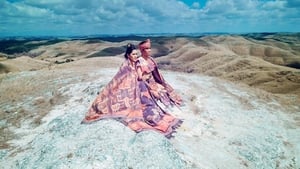
The Woven Path: Perempuan Tana Humba
The Woven Path: Perempuan Tana Humba is made up of two short movies that highlight the role of women in Sumba culture. The first part of the documentary, The Woven Path, is a 10-minute movie featuring picturesque footage and images that serve as a backdrop to two poems centering on the theme of mothers. The 30-minute Perempuan Tana Humba is a much more straightforward documentary, focusing more on Sumba culture and women in three short chapters: “Marapu”, “Belis” and “Perkawinan”.
2019

Step
The senior year of a girls’ high school step team in inner-city Baltimore is documented, as they try to become the first in their families to attend college. The girls strive to make their dancing a success against the backdrop of social unrest in their troubled city.
2017
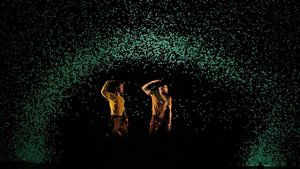
Pixel
At the crossroads of arts, bodies and images merge to create a world of poetry and dreams.
2014

Five Days to Dance
A couple of dancers appear one morning in a High School. It's Monday and they announce to a group of youngsters that they have five days to get up on stage and dance. A short time but a big challenge. The dance compels these youngsters to break through their roles exactly at the time of their lives when the social roles are being forged. The handsome boy is no longer the most admired, the timid one takes a step forward. Wilfried van Popple and Amaya Lubeigt are the choreographers. Professional dancers who have decided now to work with people who have never danced before. This is the challenge: five days, a class of teenagers, a microcosm in which occurs a little big bang.
2014
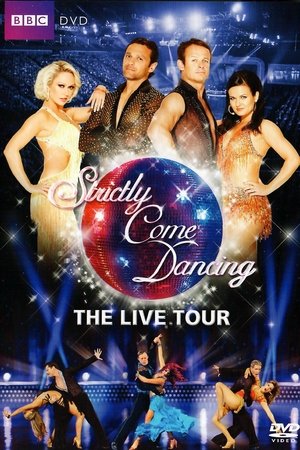
Strictly Come Dancing The Live Tour
With the coveted glitter ball trophy once again up for grabs, how will series winner Chris Hollins fare against other celebrity favourites - including Austin Healey, Kelly Brook, Mark Ramprakash, Ali Bastian, and Natalie Cassidy? As they take to the stage alongside their professional partners including; Kristina Rihanoff, James and Ola Jordan, Brian Fortuna, Natalie Lowe and Ian Waite, in brand new breathtaking outfits and daring routines. They will need to impress judges; Len Goodman, Bruno Tonioli, Craig Revel Horwood and Arlene Philips. Who as always, are ready with quips, banter and razor-sharp observations!
2010
Dance for All
2007
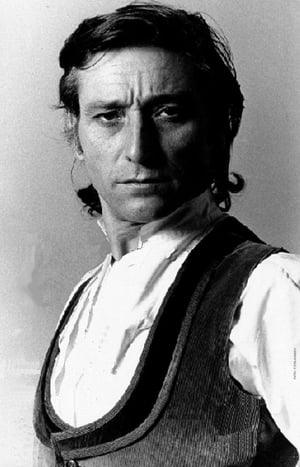
Antonio Gades, la ética de la danza
Documentary that reconstructs the professional life of the dancer through the thread of his own voice. A work that travels to the fundamental landscapes of the personal history of Gades with unpublished documents and the testimony of those who shared with him many pages of the book of his life and the history of Spanish dance in recent decades.
2007

Busby Berkeley: A Journey with a Star
Profile of famed dance director Busby Berkeley's career, in particular "The Gang's All Here"
2007
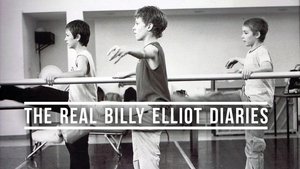
The Real 'Billy Elliot' Diaries
Documentary following the actors playing the role of Billy in Billy Elliot the Musical as they prepare for their West End debut.
2005
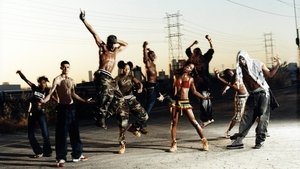
Rize
A documentary film that highlights two street derived dance styles, Clowning and Krumping, that came out of the low income neighborhoods of L.A.. Director David LaChapelle interviews each dance crew about how their unique dances evolved. A new and positive activity away from the drugs, guns, and gangs that ruled their neighborhood. A raw film about a growing sub-culture movements in America.
2005
Die Menschenfischer
2004
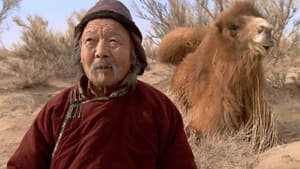
The Story of the Weeping Camel
When a Mongolian nomadic family's newest camel colt is rejected by its mother, a musician is needed for a ritual to change her mind.
2004
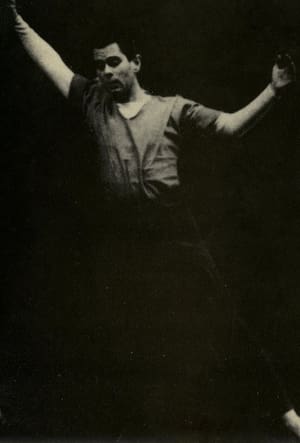
Genius on the Wrong Coast
Portrait of Lester Horton, a Los Angeles-based dancer, choreographer and teacher who trained many world-reknowned dancers and built the first American theater devoted permanently to dance. Former students and friends, including Bella Lewitzky, Alvin Ailey, and Carmen de Lavallade, help create a picture of Horton through interviews. Includes numerous dance excerpts.
1993
Café Müller
Pina Bausch created and performed Café Müller for her dance company Tanztheater Wuppertal. The dance was inspired by and based on her childhood memories of watching her father work at his café in Germany during and immediately following World War II. In this silent style featurette, Bausch shows a restaurant after closing, in which the ghosts of the departed customers stumble blindly into walls and onto chairs but fail to find one another.
1985
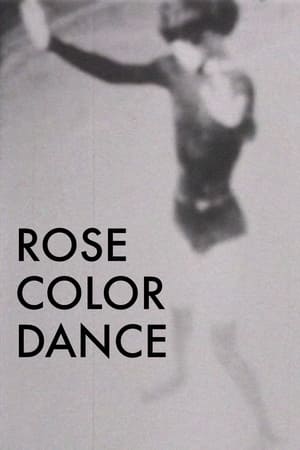
Rose Color Dance
A document of Tatsumi Hijikata's Butoh dance with Kazuo Ohno as the guest dancer shot in Hijikata's early period when he was emerging as the originator of Butoh. All of the male dancers are dressed up with evening suits and move gracefully, yet an intruder breaks up the whole scene abruptly. The film is worth seeing, even if just to see a memorable gay duet of Hijikata and Ohno. Overexposed, washed out images are sandwiched among normal ones.
1965
Historia de un ballet
This short documentary describes the process and inspiration behind the creation and performance of a new Cuban ballet based on Afro-Cuban traditions and beliefs.
1964

Appalachian Spring
A filmed version of Aaron Copland's most famous ballet, with its original star, who also choreographed.
1959

Patrick Grigo: Spotlight, Backstage & In Between
What makes the life of a dancer? - Burghausen dance professional Patrick Grigo aka Parrish gives an insight into the last 30 years of his career. He talks about his first steps on the dancefloor and the tough path into his dancing career, his great successes and also the many setbacks, his decisions and valuable experiences. Taking responsibility has always been one of his core values and has taken him to the world's great show stages, made him a national coach and helped him to be part of the team that took the dance sport of “Breaking” to the Olympic Games. Director Julian Heinke accompanied the still active dancer on his travels and shows him from exciting angles as well as on unpublished video material from his active time.